
Better Water From
Every Tap
Hard water, chlorine taste, sediment, and mineral staining turn up in house after house around here — Greenville and Easley on municipal supply, well houses out in Pickens County and across both state lines. RO installs whole-house filtration systems, water softeners, reverse osmosis units, and well water treatment systems that solve the problem at the source — not one faucet at a time. Clean, soft, great-tasting water from every tap in your home.
Water Filtration & Treatment
Guide
Whole-House Filtration
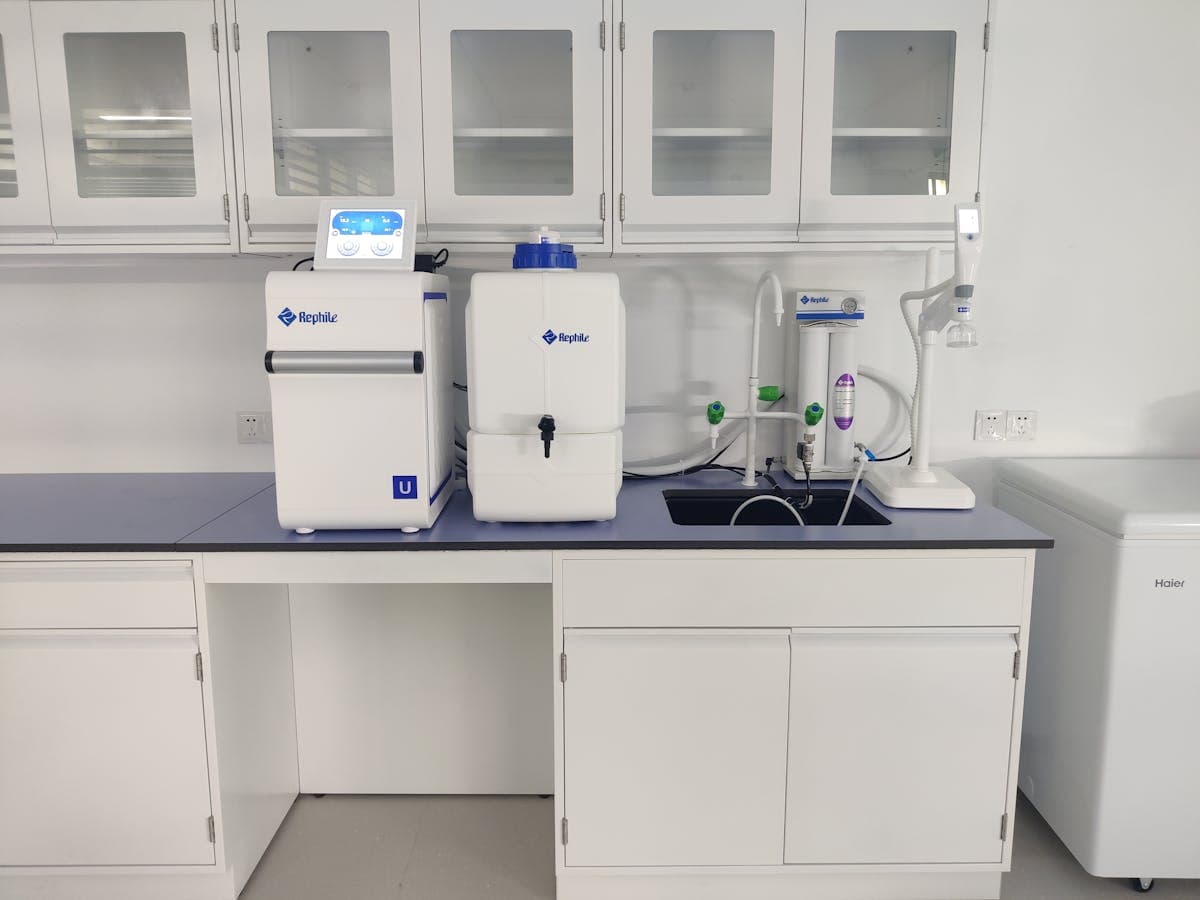
A whole-house system installs on the main water line after the meter, filtering every drop before it reaches any fixture. Carbon-based systems remove chlorine, chloramines, sediment, and VOCs. Multi-stage systems add sediment pre-filters and specialty media for iron, manganese, or sulfur. The install is set by where your main line is actually reachable — a garage or crawlspace tie-in is straightforward, a slab home with the main entering under finished floor is not — plus whether there's a drain close enough for backwash and how many stages your water test genuinely calls for. Filter changes: every 6–12 months depending on water quality and usage.
Water Softeners
Water across these foothills runs moderately hard to very hard (7–15+ GPG), and it shifts from one system to the next — city water in Greenville reads differently than a well outside Pickens or a small system over in Rabun County. Hard water causes scale buildup in pipes and water heaters, white spots on fixtures, dry skin, and reduced soap effectiveness. Ion-exchange water softeners replace calcium and magnesium with sodium, eliminating scale and dramatically improving appliance efficiency. Sizing follows your hardness number and household size — undersize the unit and it regenerates constantly, burning salt and water to keep up. Installation needs a drain line for the regeneration cycle and an outlet for the control head, and that pair usually decides where the unit can physically go.
Reverse Osmosis
RO systems push water through a semi-permeable membrane, removing 95–99% of dissolved solids, heavy metals, fluoride, and contaminants. Installed under the kitchen sink with a dedicated faucet, they deliver the cleanest drinking water possible. A point-of-use unit needs a hole in the counter for the dedicated faucet and a drain saddle under the sink — drilling a granite or solid-surface counter is the usual complication. Whole-house RO is a different animal: it needs a storage tank, a repressurization pump to put the pressure back, and floor space for both. Membrane replacement: every 2–3 years.
Why It Matters Here
The granite and limestone bedrock under this whole stretch of foothills — the Greenville and Easley side, up into western North Carolina, down into northeast Georgia — puts calcium, magnesium, and iron into the groundwater. Municipal water is safe but heavily chlorinated. Well water varies dramatically — some wells produce excellent water, others have iron, sulfur, manganese, or bacterial issues that require treatment. A water test tells you exactly what you're dealing with, and we size and design the system off those numbers. Guessing is how a house ends up with a softener that never touches the actual problem.
Water Filtration & Treatment Gallery

Warning
Signs
White scale buildup on faucets and showerheads
This is calcium carbonate from hard water. If you see it on fixtures, it's also building up inside your water heater, dishwasher, and pipes — reducing efficiency and lifespan.
Chlorine smell or taste in your tap water
Municipal water uses chlorine for disinfection. While safe, it affects taste and smell. A whole-house carbon filter eliminates it at the point of entry.
Orange or brown staining in sinks, tubs, and toilets
Iron in your water causes rust-colored staining. An iron filter or oxidizing system removes it before it reaches your fixtures. Common in well water but also occurs in older municipal systems.
Rotten egg smell from hot water
Hydrogen sulfide gas (from sulfur bacteria or the water heater anode rod reacting with sulfates) causes the egg smell. Treatment depends on the source — water heater anode swap or a sulfur filter system.
Soap doesn't lather well, skin feels dry after showering
Hard water inhibits soap's ability to lather and leaves mineral residue on skin and hair. A water softener eliminates this and dramatically reduces soap and shampoo usage.
Spots on dishes after the dishwasher cycle
Hard water spots on glasses and dishes mean your water hardness exceeds what the dishwasher's rinse aid can handle. A water softener solves this permanently.
Maintenance
Tips
Our
Process
Water Testing
We test your water for hardness, pH, iron, manganese, TDS, chlorine, bacteria, and other parameters. Well water gets a comprehensive panel; municipal water focuses on hardness and taste factors. Results drive the system design.
System Design
Based on test results, household size, and water usage, we design a treatment system. This may be a single component (softener only) or a multi-stage system (sediment filter + softener + carbon filter + RO for drinking).
Installation
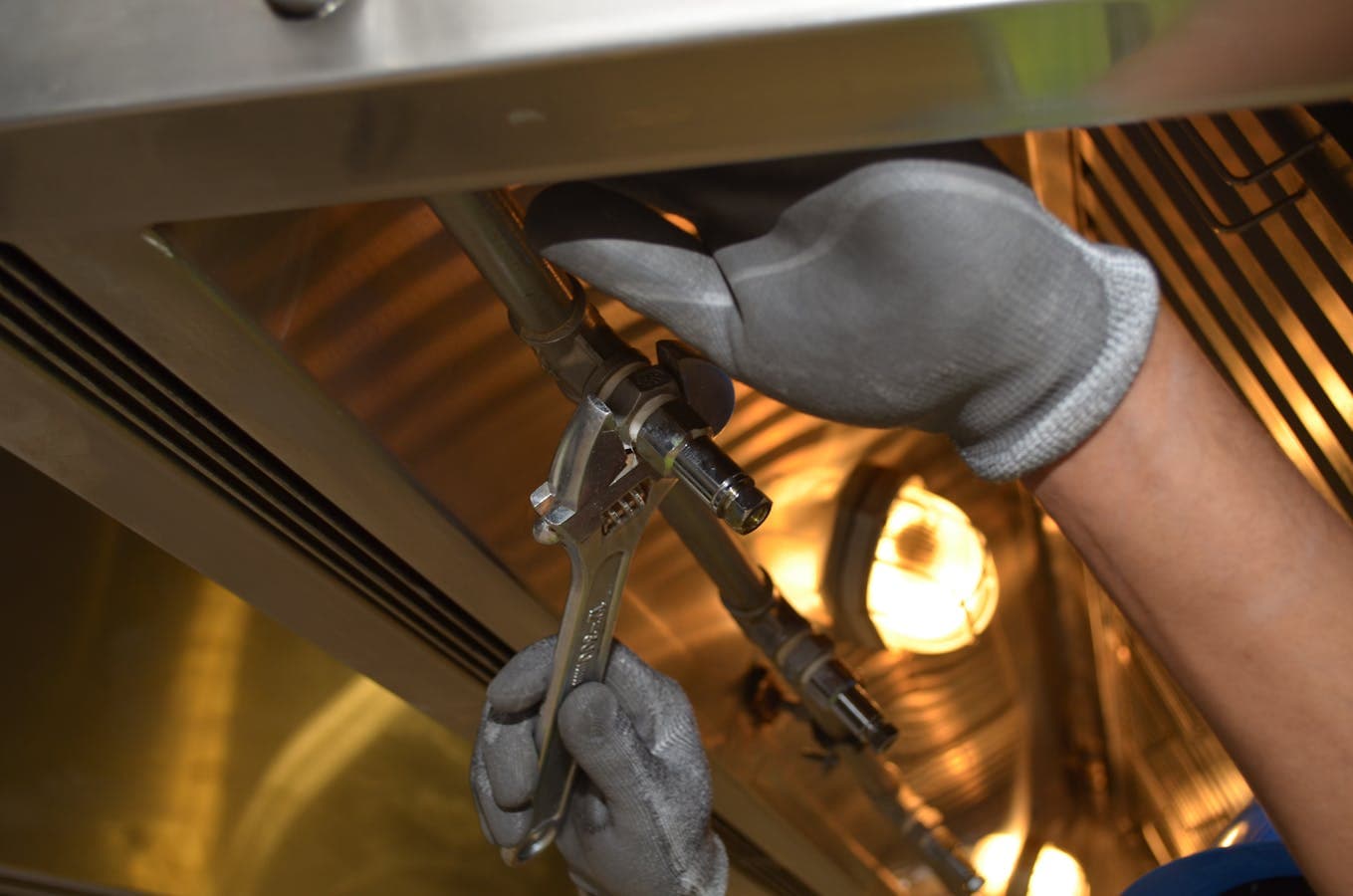
Systems install on the main water line after the meter (or after the pressure tank for well systems). We add bypass valves for maintenance, drain connections for backwash, and electrical for units with control heads.
Programming & Calibration
Softener regeneration cycles are programmed based on your water hardness and household usage. Filter timers are set. RO systems are flushed and checked for proper rejection rates.
Testing & Training
We retest the treated water to verify the system is performing as designed. You get a walkthrough of maintenance tasks — how to add salt, when to change filters, and how to read the control head.
What Drives the Number
Prices are estimates for Upstate SC — get a real quote for your project.
FAQ
Explore More
Get Your
Quote
Call us directly or request a quote online. No pressure, no upselling — just honest answers about your water filtration & treatment needs.
(864) 304-0139