
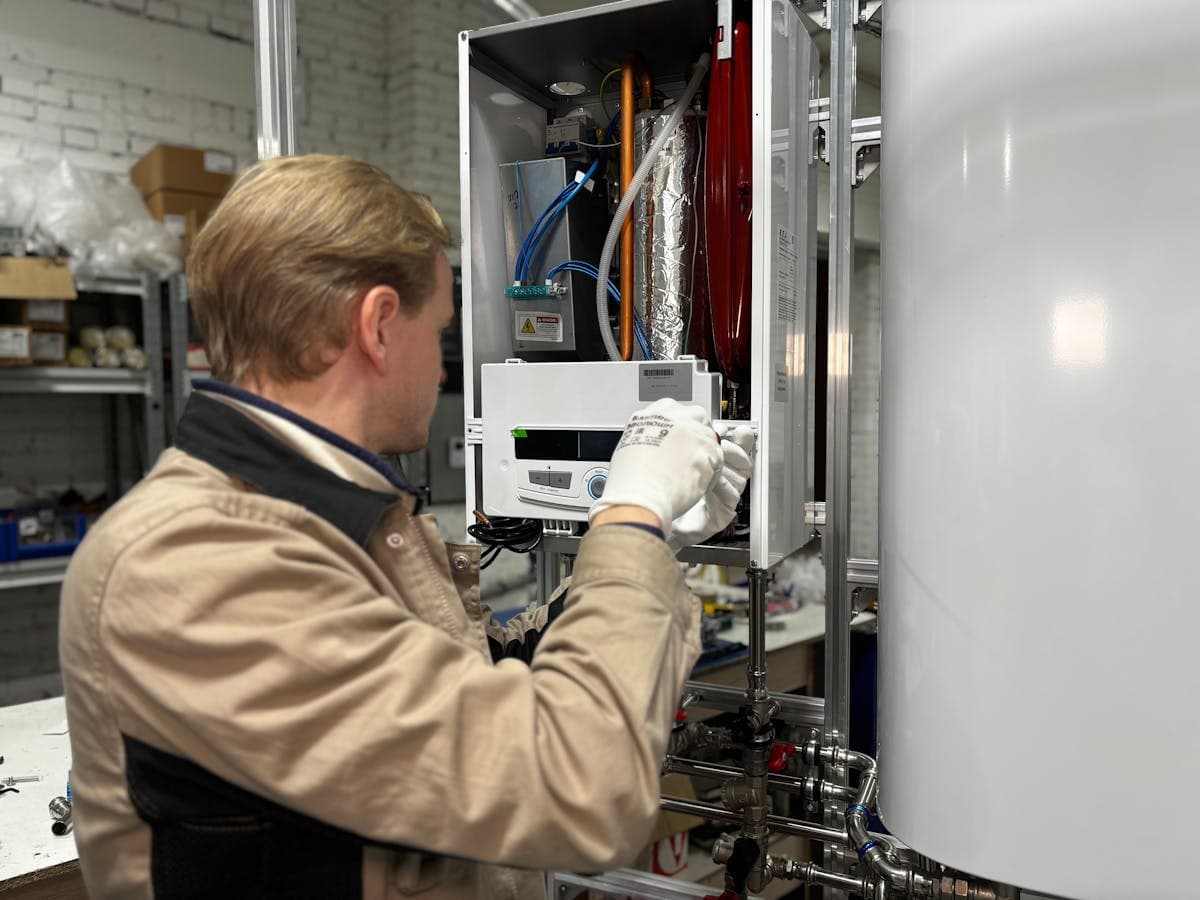
Hot Water That
Never Runs Out
Whether your tank water heater is on its last legs or you're ready to upgrade to tankless, RO handles the full job — removal, installation, gas or electric hookup, and code-compliant venting. We install Bradford White, Rheem, Rinnai, and Navien units with honest sizing recommendations and no upselling.
Water Heater Services
Guide
Tank Water Heaters
Traditional tank heaters store 40–80 gallons of pre-heated water. They're reliable and they're the simplest swap on the list — same footprint, same water and fuel connections, and in most cases no venting or electrical changes at all. Standard tank efficiency is 0.60–0.65 EF (energy factor). Lifespan is 8–12 years with proper maintenance. The main drawback: when the tank empties during heavy use (multiple showers, laundry, dishwasher), you wait 30–60 minutes for recovery.
Tankless Water Heaters
Tankless units heat water on demand — no tank, no standby heat loss, no running out. Efficiency ratings of 0.90–0.98 EF mean 24–34% energy savings over standard tanks. They last 20+ years with proper maintenance. Rinnai, Navien, and Rheem are the brands we install. The scope is driven by what surrounds the unit, not the unit itself: gas tankless needs a 3/4" gas line minimum, and if your existing line was sized for a tank it usually needs upsizing back toward the meter. It also needs its own venting — concentric or dual-pipe, cut through a wall or roof — because the old tank's flue almost never carries over. Where the unit lands and how far it sits from the meter sets the rest.
Heat Pump Water Heaters
The efficiency leader. Heat pump (hybrid) water heaters use ambient air to heat water — 2–3x more efficient than standard electric tanks. Energy Factor ratings of 3.0–4.0 mean a dramatically smaller electric bill every month, and the units qualify for federal energy tax credits. The trade-offs are physical, and they're what set the install: the unit needs 700+ cubic feet of surrounding air space, a condensate drain it didn't need before, and it blows cold exhaust air — so a tight interior closet usually won't work while a garage or basement will. Relocating the heater to make that happen means extending water lines and running a new circuit. They work best in warm climates, and the Southeast gives them about as good a run as they get.
Why It Matters Here
Water heating is the second-largest energy expense in most homes (14–18% of your utility bill). The long warm season across the Carolinas and north Georgia makes heat pump water heaters exceptionally efficient — the ambient warmth they pull out of the surrounding air is free and abundant here ten months of the year. Between energy savings and available tax credits, upgrading from a standard tank to a heat pump unit often pays for itself in 3–5 years.
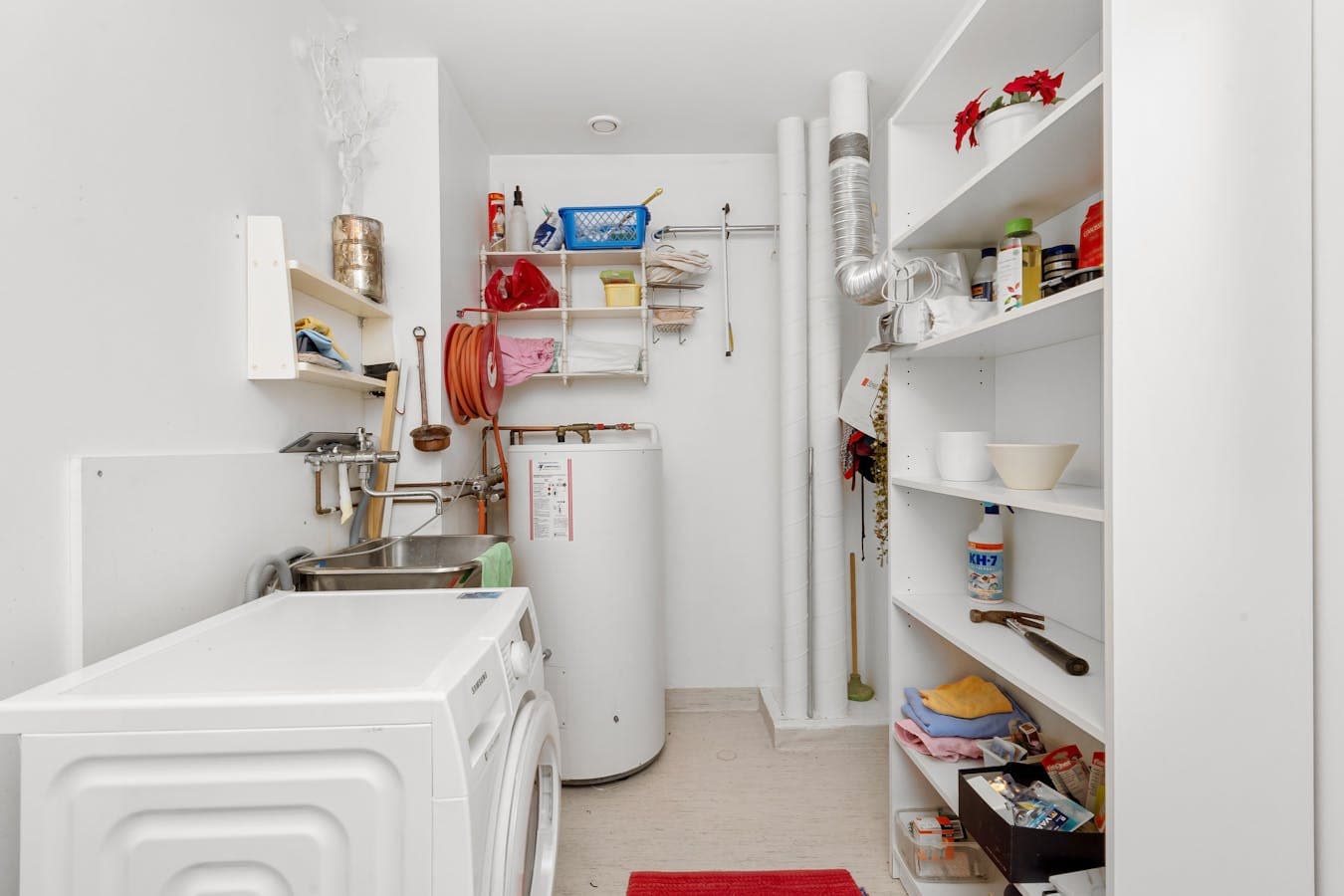
Water Heater Services Gallery
Warning
Signs
Your water heater is more than 10 years old
Average tank lifespan is 8–12 years. After 10, failure risk increases significantly. Check the manufacture date on the rating plate — the first two digits of the serial number are often the year.
Rust-colored hot water
Rusty hot water (but clear cold water) means the anode rod has failed and the tank itself is corroding. Once the tank starts rusting, replacement is the only permanent fix.
Rumbling, popping, or banging sounds
Sediment buildup on the tank bottom hardens and traps water beneath it. The popping sound is trapped water boiling through the sediment layer. This reduces efficiency and accelerates tank failure.
Water pooling around the base
Any water on the floor near the heater means either a leaking fitting (fixable) or a cracked tank (replacement needed). Check the T&P relief valve, supply connections, and the tank bottom.
Hot water doesn't last as long as it used to
Sediment displaces water volume inside the tank. A 50-gallon tank with heavy sediment may only hold 30 gallons of usable hot water. Flushing helps if caught early; replacement if the buildup is severe.
Your energy bills have increased without explanation
An inefficient water heater working harder to maintain temperature draws more energy. Sediment insulates the burner from the water, forcing longer run cycles.
Maintenance
Tips
Our
Process
Assessment & Sizing
We evaluate your current setup, measure hot water demand (household size, fixtures, simultaneous usage), and recommend the right type and size. Oversizing wastes money; undersizing leaves you cold.
Unit Selection
We walk you through options — tank, tankless, or heat pump — with honest comparisons of upfront cost, operating cost, and payback period. We carry Bradford White, Rheem, Rinnai, and Navien.
Removal & Prep
We disconnect and remove the old unit (including disposal), verify gas/electric supply sizing, check venting requirements, and prepare the installation area. If gas line upgrades are needed, we handle that too.
Installation
New unit is set, connected to supply and return lines, gas/electric hooked up, and venting installed or modified. Tankless units require specific venting (concentric or dual-pipe) and may need electrical for controls.
Testing & Walkthrough
We fire up the unit, verify proper operation, check for leaks, measure output temperature, and walk you through the controls — temperature setting, vacation mode, and maintenance schedule.
What Drives the Number
Prices are estimates for Upstate SC — get a real quote for your project.
FAQ
Explore More
Get Your
Quote
Call us directly or request a quote online. No pressure, no upselling — just honest answers about your water heater services needs.
(864) 304-0139