
Weather-Tight Finish That Holds Up
to Southern Sun & Storms
Exterior paint takes a beating across the Carolinas and north Georgia — UV, rain, humidity, freeze-thaw cycles. A botched exterior job peels in 18 months. RO's exterior painting includes proper power washing, scraping, caulking, priming raw wood, and two coats of exterior-grade paint that holds up for 8–15 years.
Exterior Painting
Guide
What It Is
Exterior painting covers siding, trim, doors, shutters, and exterior wood surfaces. Done right, it includes power washing, scraping loose paint, sanding rough edges, caulking gaps, priming raw or repaired wood, and two coats of weather-rated paint applied at proper temperature and humidity. The whole point is paint that bonds to the substrate and stays bonded.
When You Need It
Most exterior paint lasts 8–12 years on wood siding, 10–15 on fiber cement, 5–8 on stucco. Triggers: visible peeling or fading, chalking surface (powdery residue when rubbed), bare wood showing, mildew streaks, or just being tired of the color. Selling a house? Fresh exterior paint is one of the highest-ROI improvements.
What the Job Turns On
Exterior work is priced off the prep, not the paint. Two houses the same size can be completely different jobs — one needs a wash and two coats, the other needs half the south wall scraped to bare wood, primed, rotten trim cut out and replaced, and every joint re-caulked. Height and access are the next lever: second-story gables, a steep lot, and anything that needs staging instead of a ladder all add hours before a brush moves. Substrate matters too — wood siding takes more prep than fiber cement, stucco drinks more product, and painting brick is a one-way decision. Homes built before 1978 fall under EPA RRP lead-safe rules, which means containment, dust control, and disposal we build into the schedule. A full exterior is a week or more of work, so it earns the drive — we run these out of Easley across the Greenville area and out into western North Carolina and northeast Georgia. Most exteriors run 5–10 working days and we schedule against the forecast: we don't paint in rain, above 85% humidity, or on a wall sitting at 130°F.
Why It Matters Here
Our summers push surface temperatures past 130°F on south-facing walls — the same on a house in Greenville as one over the state line in Hendersonville or across the Georgia border. Exterior paint has to be rated for that or it bubbles and peels. Humidity is the other half: paint applied above 85% humidity never bonds properly, and we get plenty of days here that sit above the line. Quality products put on inside the right window take 100°F summers and 20°F winters for over a decade. Cheap paint — or the right paint applied on the wrong day — fails in 1–3 years.
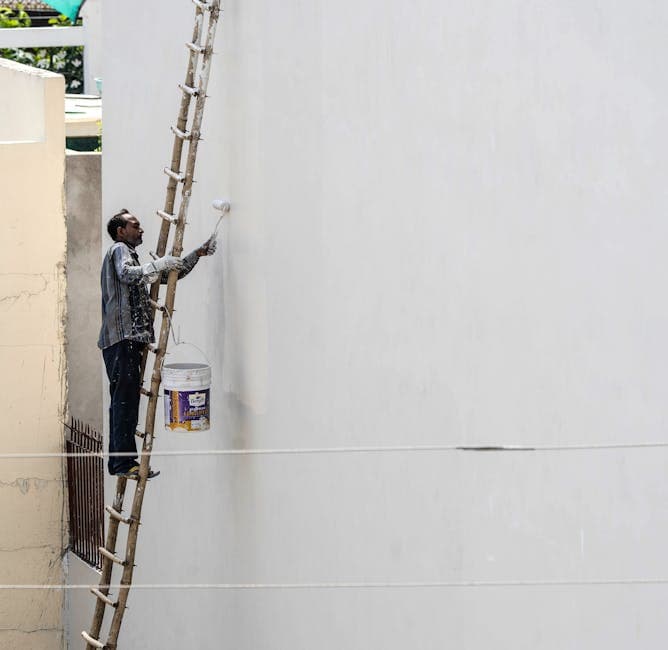
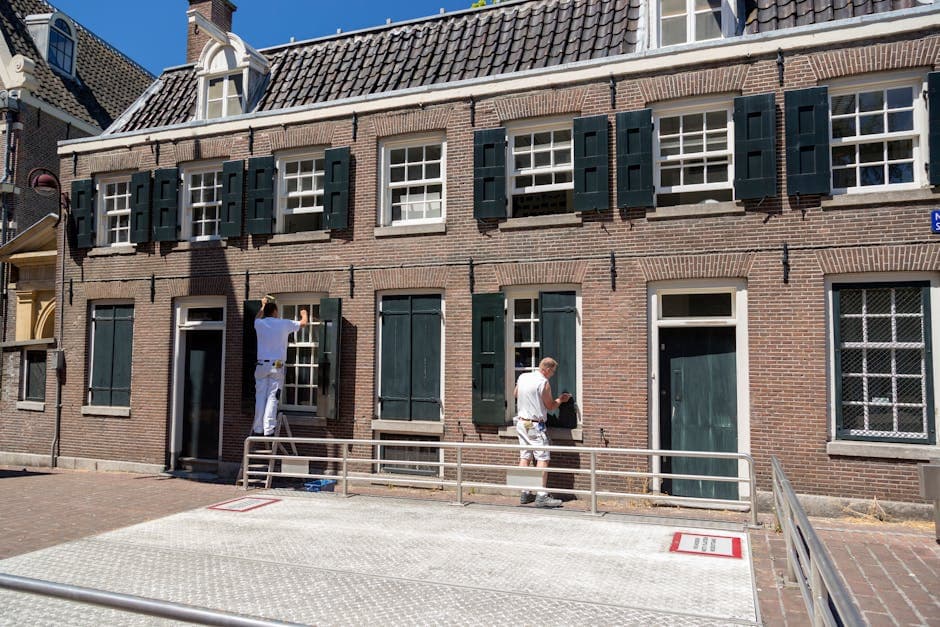
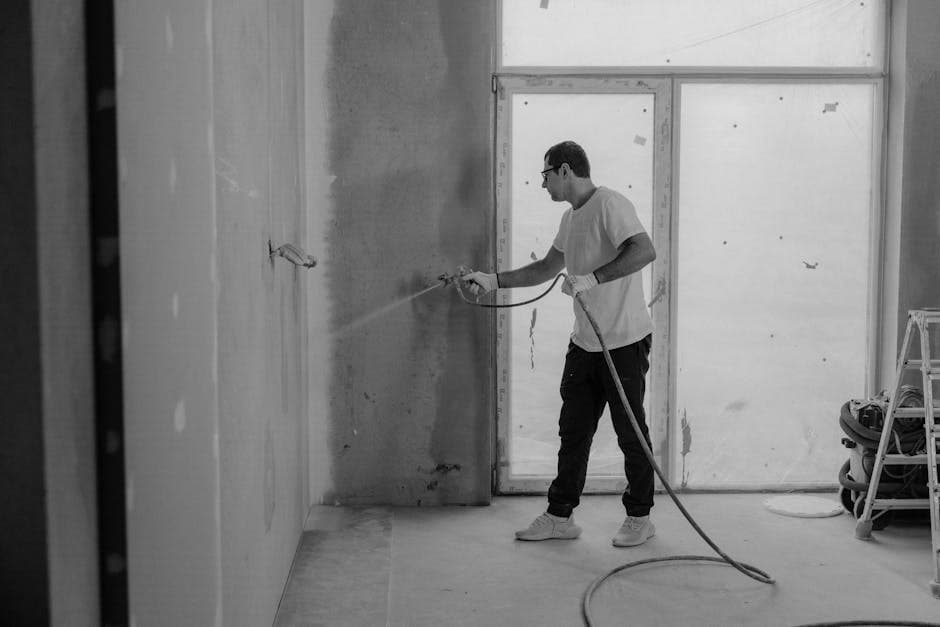
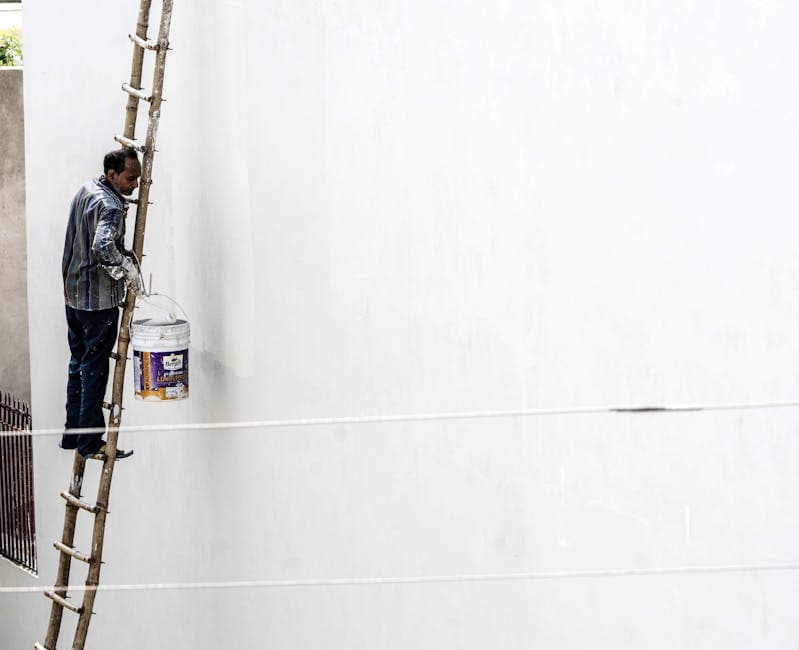
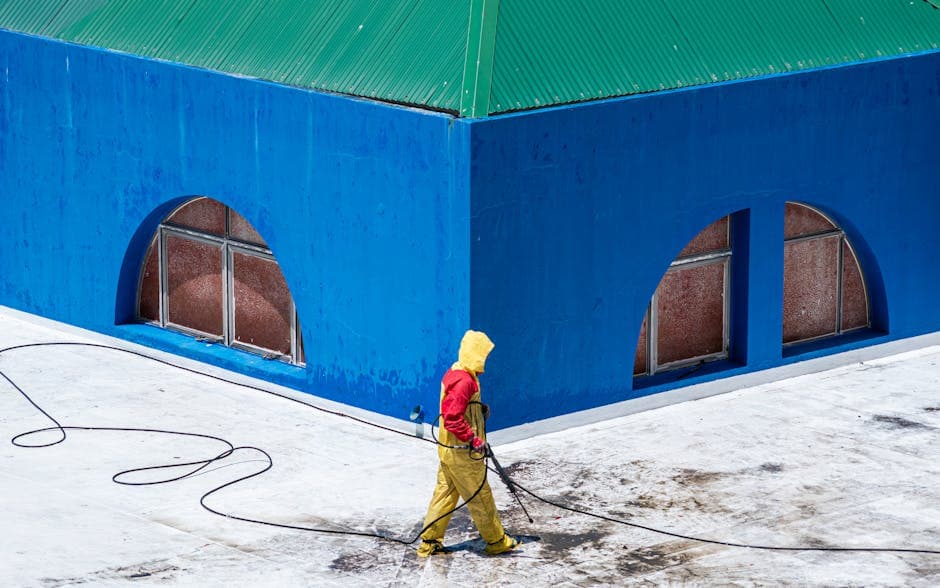
Exterior Painting Gallery
Warning
Signs
Paint peeling in sheets
Moisture is escaping from inside the wall (interior humidity, leaky plumbing, no vapor barrier). Painting over it just re-peels. Source must be addressed first — sometimes attic or foundation ventilation.
Chalking surface (white powder when rubbed)
UV degradation of the binder. Common on south-facing walls. Surface must be washed and primed before recoating, otherwise new paint won't bond.
Mildew streaks down siding
Surface mildew grows in shaded humid areas. Bleach-based cleaner kills it before painting. If you paint over mildew, it grows through the new paint within months.
Bare wood showing where paint failed
Wood has been exposed to weather. Must be sanded smooth, treated with a wood conditioner if very dry, then primed before topcoat. Painting wet bare wood seals in moisture and causes rot.
Cracked or missing caulk at trim joints
Water entry points. Must be removed and re-caulked with paintable exterior caulk before painting. Paint over old cracked caulk and the cracks return immediately.
Wood rot at trim or siding bottoms
Painting over rot just hides it temporarily. Rotted sections must be cut out and replaced with new wood, or treated with a wood hardener for minor rot. Otherwise it spreads.
Lead paint on pre-1978 homes
EPA RRP rules require certified lead-safe practices on homes built before 1978. We are RRP-certified and follow proper containment, dust control, and disposal. DIY removal of lead paint is dangerous and illegal.
Maintenance
Tips
Our
Process
Inspection & Prep Plan
We walk the entire exterior, noting peeling, rot, caulk failures, and color match needs. Quote includes any wood replacement or repair work needed before paint goes on.
Wash, Scrape & Sand
Power wash (proper PSI for surface type), let dry 24–48 hours, scrape loose paint, sand rough edges, treat any wood rot or replace damaged sections. Mildew killed with diluted bleach.
Caulk & Prime
Bare wood gets primer (oil-based for raw wood, latex for repaired sections). Caulk gaps at trim, corners, and joints. Stain blocker on tannin-rich woods (cedar, redwood) to prevent bleed-through.
Two Coats of Paint
Two coats minimum, sprayed and back-brushed (or rolled and brushed) for proper coverage and adhesion. Painted only when temperature is 50–85°F and humidity below 85% — patience pays off here.
Touch-Up & Cleanup
Walk-through with you to identify any missed spots or touch-ups. All paint debris cleaned up, plants and walkways protected throughout, no overspray on cars or glass. Final color samples saved for you.
What Drives the Number
Prices are estimates for Upstate SC — get a real quote for your project.
FAQ
Explore More
Get Your
Quote
Call us directly or request a quote online. No pressure, no upselling — just honest answers about your exterior painting needs.
(864) 304-0139