
Fences That Stay Straight, Stay
Up, Stay Looking Good
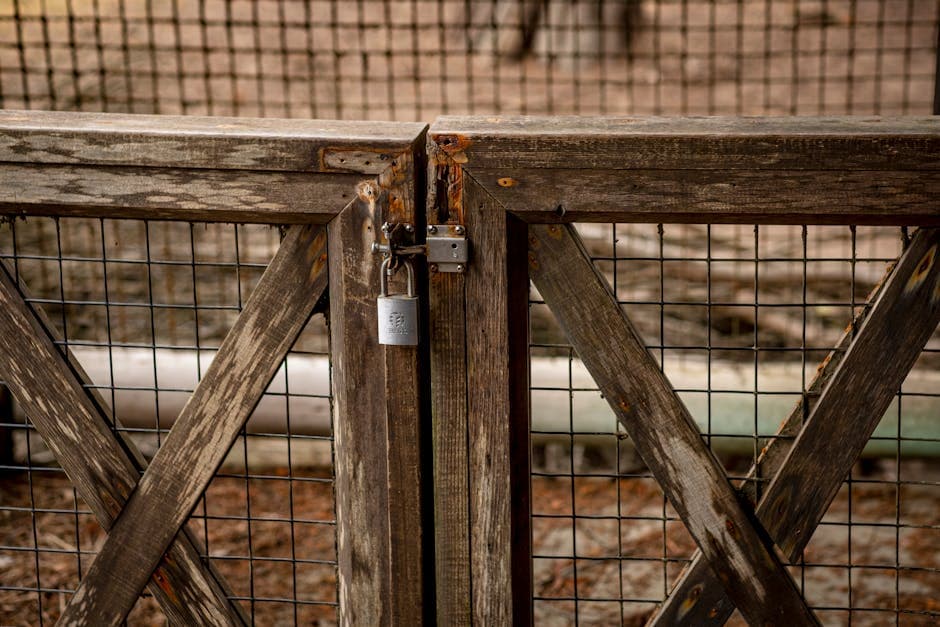
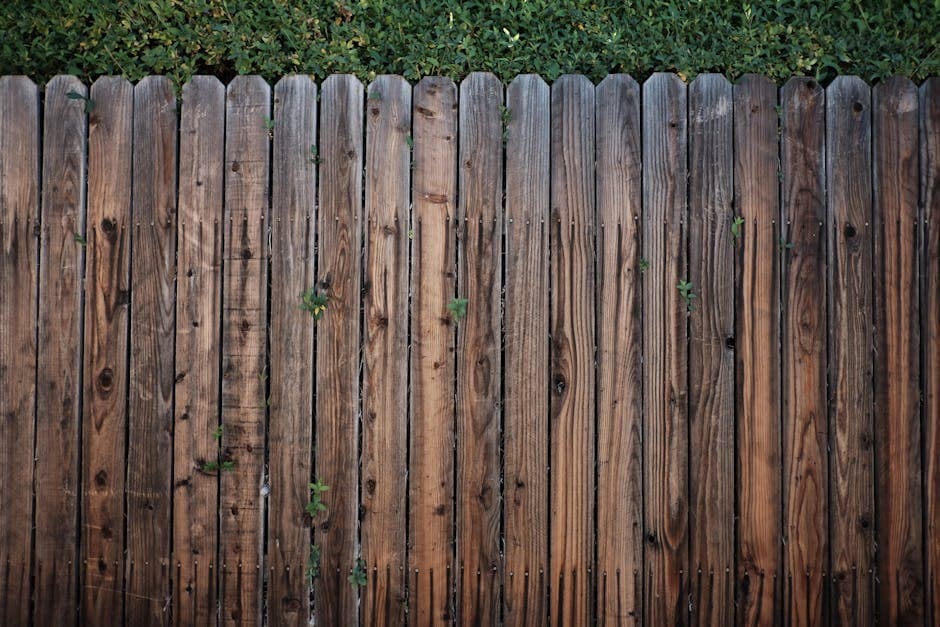
Fences fall over because posts weren't set deep enough, weren't set in concrete, or rotted at ground level. RO sets posts properly the first time — at code-required depth, in concrete, with proper drainage — so fences don't lean, sag, or fall in the first storm. Wood, vinyl, chain-link, or aluminum.
Fence Repair & Installation
Guide
What It Is
Fence work covers new installations (post setting, panel or board attachment, gates), replacement of failed fences, and repair work (replacing rotted posts, broken pickets, sagging gates, leaning sections). Common materials: pressure-treated wood, vinyl, aluminum, chain-link, and composite.
When You Need It
New fence triggers: privacy from neighbors, pet containment, pool safety code requirements, defining property lines, or aesthetic improvement. Repair triggers: leaning posts, fallen sections after storms, rotted bottoms, broken gates, or pickets falling off. A 50-year-old chain-link is often worth replacing rather than patching repeatedly.
Where the Labor Goes
Fence pricing starts with linear footage, height, and material — then the site takes over. Rock, roots, and the hard red clay under most of this region slow post holes down; a flat, cleared line goes in fast. Slope means stepping or racking panels, which is more labor and more offcut waste. Gates cost more than the same footage of fence because they need deeper posts, heavier hardware, and bracing, so gate count moves the number more than gate width does. Tearing out and hauling off an old fence is its own line of work, and an unclear property line can mean waiting on a survey before we set anything. On repairs, one leaning post is rarely alone — posts set the same day tend to fail the same season, and we'll tell you honestly when you're better off replacing a run than chasing posts one at a time. Most installs take 2–5 days and repairs 1–2, plus 24–48 hours for post concrete to cure before panels go up.
Why It Matters Here
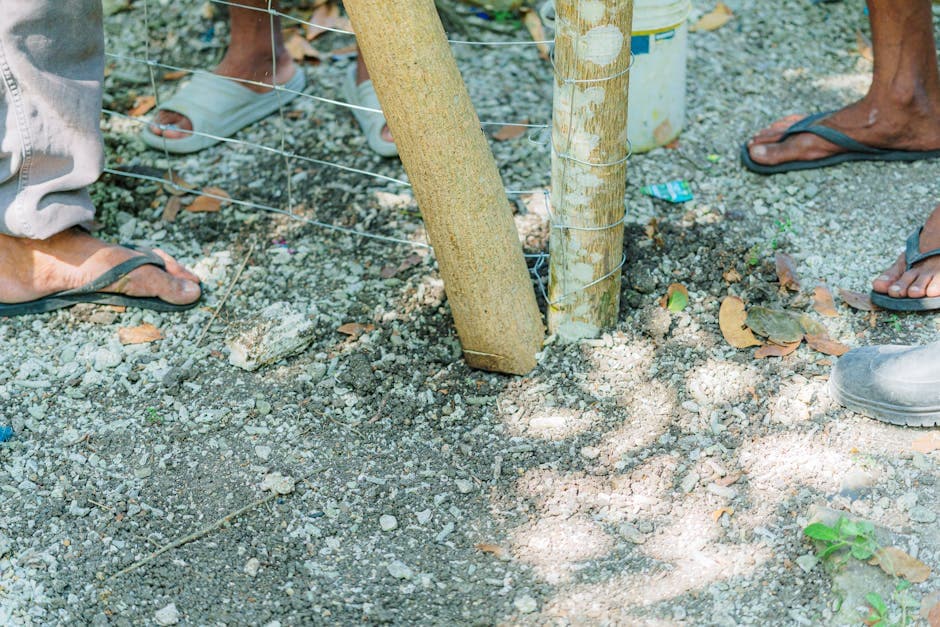
The clay soils under the Greenville and Easley area hold water right at the base of a fence post, and wood rots from the ground up. Posts set in concrete — not dirt-tamped — over gravel for drainage last about 3× longer. Cheap installs that skip the concrete or use undersized posts start leaning inside 5 years. We run 4×4 minimum (6×6 on tall fences), 36" of depth in concrete over gravel, and metal post bases at gates. Same soil, same approach on the jobs we run over the line in North Carolina and Georgia.
Fence Repair & Installation Gallery
Warning
Signs
Fence leaning in one direction
Post is failing — either rotted at base, undersized, or set too shallow. Pushing it back upright temporarily doesn't fix it; the post needs replacement or the fence will continue to lean.
Posts wiggling in the ground
Concrete around the post has cracked or the post itself has deteriorated. A post that wiggles will fail completely in the next storm. Replace before that happens.
Bottom of wood pickets rotting
Common on any wood fence in this climate. Pickets touching ground or grass wick moisture and rot. Solution: replace rotted pickets, leave 1–2" gap at bottom for new ones, or add a kickboard.
Gates dragging or not closing
Either the gate post has settled (most common) or the gate itself has sagged. Gate posts need to be set deeper than line posts (48"+ depth) and sometimes need diagonal bracing for tall gates.
Pickets popping off
Wrong fasteners or fasteners failing. Galvanized ring-shank nails or stainless screws are required for outdoor use. Cheap nails rust and lose grip within years.
Visible rot at posts where fence meets ground
Posts rot at the soil line where moisture and oxygen meet. Once visible rot appears, the post structurally is much weaker than it looks. Replace before it falls.
Chain-link sagging or rusting through
Mesh has lost tension or is rusting. Re-tensioning is possible if mesh isn't too rusted. Heavy rust means replacement of affected sections.
Maintenance
Tips
Our
Process
Layout & Permit Check
We measure, locate property lines (recommend a survey if unclear), and check for any HOA or local restrictions. In South Carolina, some jurisdictions require a permit above 6 ft; North Carolina and Georgia set their own rules county by county. We are licensed in all three and confirm before anything gets ordered.
Call Before You Dig
The utility locate goes in before any digging — SC811, NC811, or Georgia 811 depending on where the job sits. Marks placed for gas, electric, water, and communications lines. Hitting a buried line is dangerous and expensive — we never skip this.
Set Posts
Post holes dug to 36" minimum (48" for gate posts), gravel for drainage, post centered and plumbed, concrete poured around the post. Concrete cures 24–48 hours before any panels go up.
Install Panels or Boards
Pre-built panels (vinyl, aluminum) attached to posts with manufacturer hardware. Wood fence: rails attached to posts, then pickets nailed or screwed evenly to rails. Gates installed with proper hardware (heavy-duty hinges for wood gates).
Stain & Cleanup
For new wood fences, we recommend waiting 30–60 days for the wood to dry before initial stain. We can return for staining or you can hire it out. All concrete and dirt cleaned up, posts wrapped if requested.
What Drives the Number
Prices are estimates for Upstate SC — get a real quote for your project.
FAQ
Explore More

Get Your
Quote
Call us directly or request a quote online. No pressure, no upselling — just honest answers about your fence repair & installation needs.
(864) 304-0139