

Flat Roof Expertise That
Keeps Water Moving Out
Flat and low-slope roofs demand specialized knowledge that most residential roofers don't have. With over 25 years installing TPO, EPDM, modified bitumen, and built-up systems, we understand the unique challenges these roofs face — from ponding water and UV degradation to membrane fatigue from extreme temperature swings.
Flat & Low-Slope Roofing
Guide
What It Is
Flat and low-slope roofing (any pitch below 2:12) requires completely different materials and techniques than sloped residential roofing. The four primary systems are: TPO (Thermoplastic Polyolefin), a single-ply white membrane heat-welded at the seams; EPDM (synthetic rubber membrane); modified bitumen, combining traditional asphalt with modern polymer technology; and built-up roofing (BUR), the oldest method using alternating layers of bitumen and reinforcing fabric.
Materials & Performance
TPO has become the most popular choice due to its heat-welded seams that create a watertight bond stronger than the membrane itself, and a white surface that reflects heat instead of holding it. EPDM is prized for flexibility — it handles thermal expansion exceptionally well, critical when roof surface temperatures swing 100+ degrees between summer days and winter nights. Modified bitumen offers excellent waterproofing with multiple-layer redundancy.
Budgeting a Flat Roof
Flat roofs price by the square foot of deck, but the deck is the easy part — the number is really set by everything sticking up through it. Every curb, drain, scupper, vent stack, skylight, and HVAC unit needs flashed detail work, and detail work is hand labor that doesn't scale with area. Insulation is the other big lever: if the existing roof has no slope built in, tapered insulation has to be laid out and stacked to move water to the drains, which adds both material and design time. Then there's what's under the membrane. Saturated insulation or soft decking found at tear-off changes the scope, which is why we moisture-test before we quote instead of after. Across the four systems, EPDM sits at the low end, TPO and modified bitumen in the middle, and built-up at the top because it's multiple layers applied one at a time. Lifespans track the material: EPDM 25–30 years, TPO 20–30, modified bitumen 20–25, BUR 20–30. TPO's white reflective surface runs 50–60 degrees cooler than dark alternatives at peak summer, and that temperature difference is what you're actually buying in membrane life.
What This Climate Does to a Flat Roof
High UV exposure, extreme heat, humidity, and heavy storm rainfall together make material selection and installation quality especially critical on a low-slope roof. Ponding water — any water still sitting 48 hours after rain — is the number one enemy of flat roofs, and the downpours we get from spring through hurricane season test drainage hard. Proper slope-to-drain design and fully sealed seams aren't optional here; they're survival requirements. We hold roofing licenses in South Carolina, North Carolina, and Georgia, so an owner with buildings on both sides of a state line gets one contractor and one standard of work instead of three.
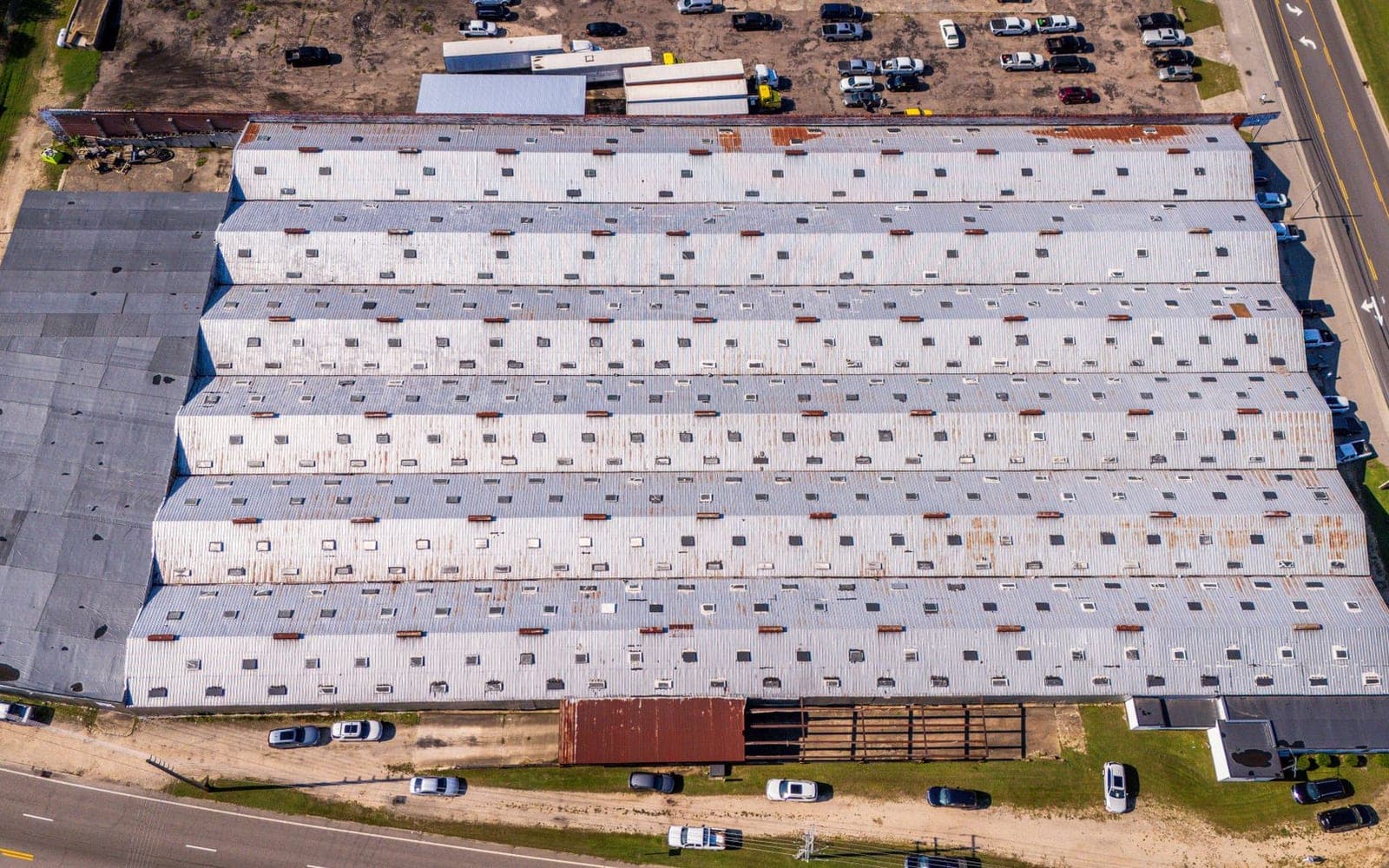
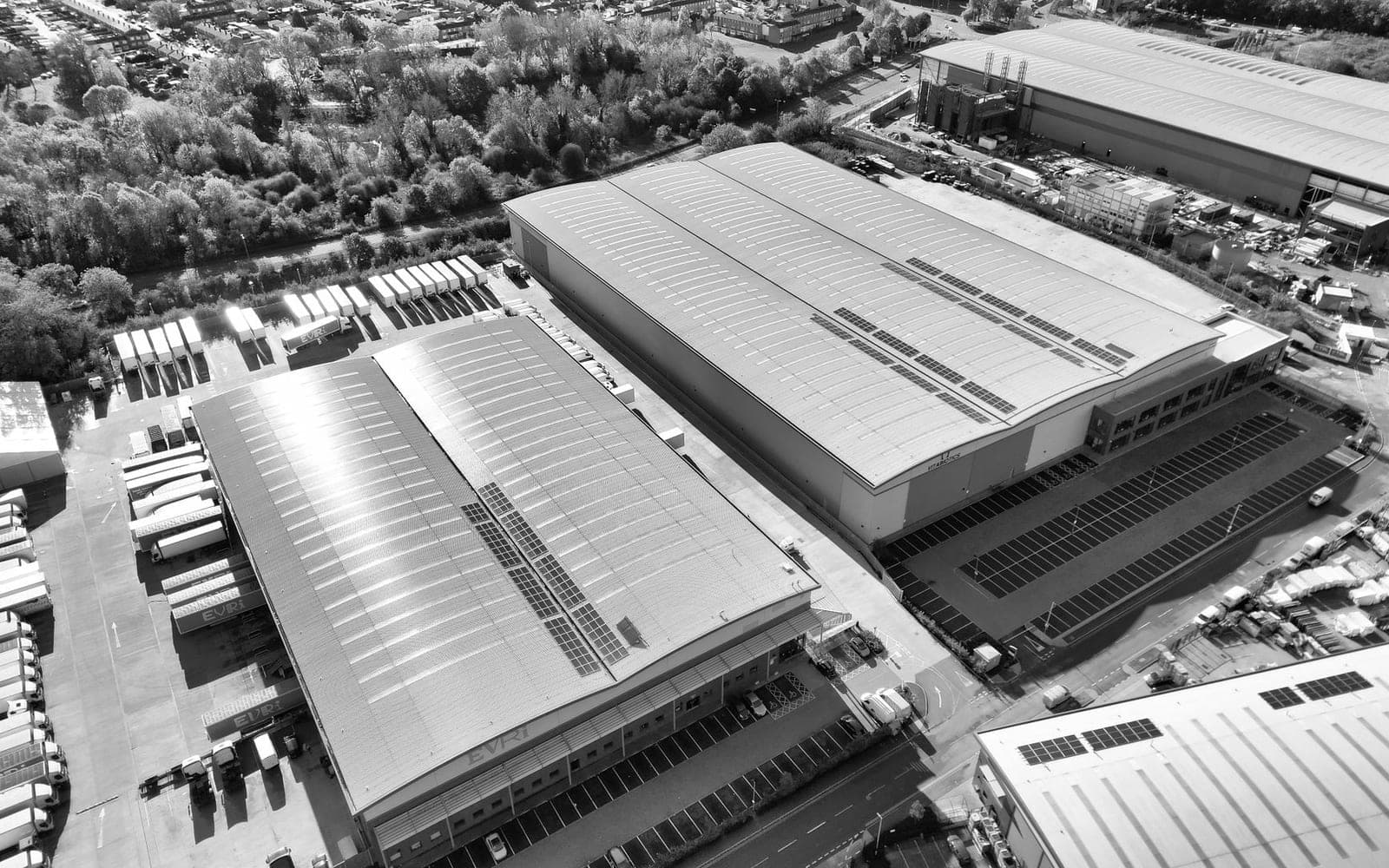
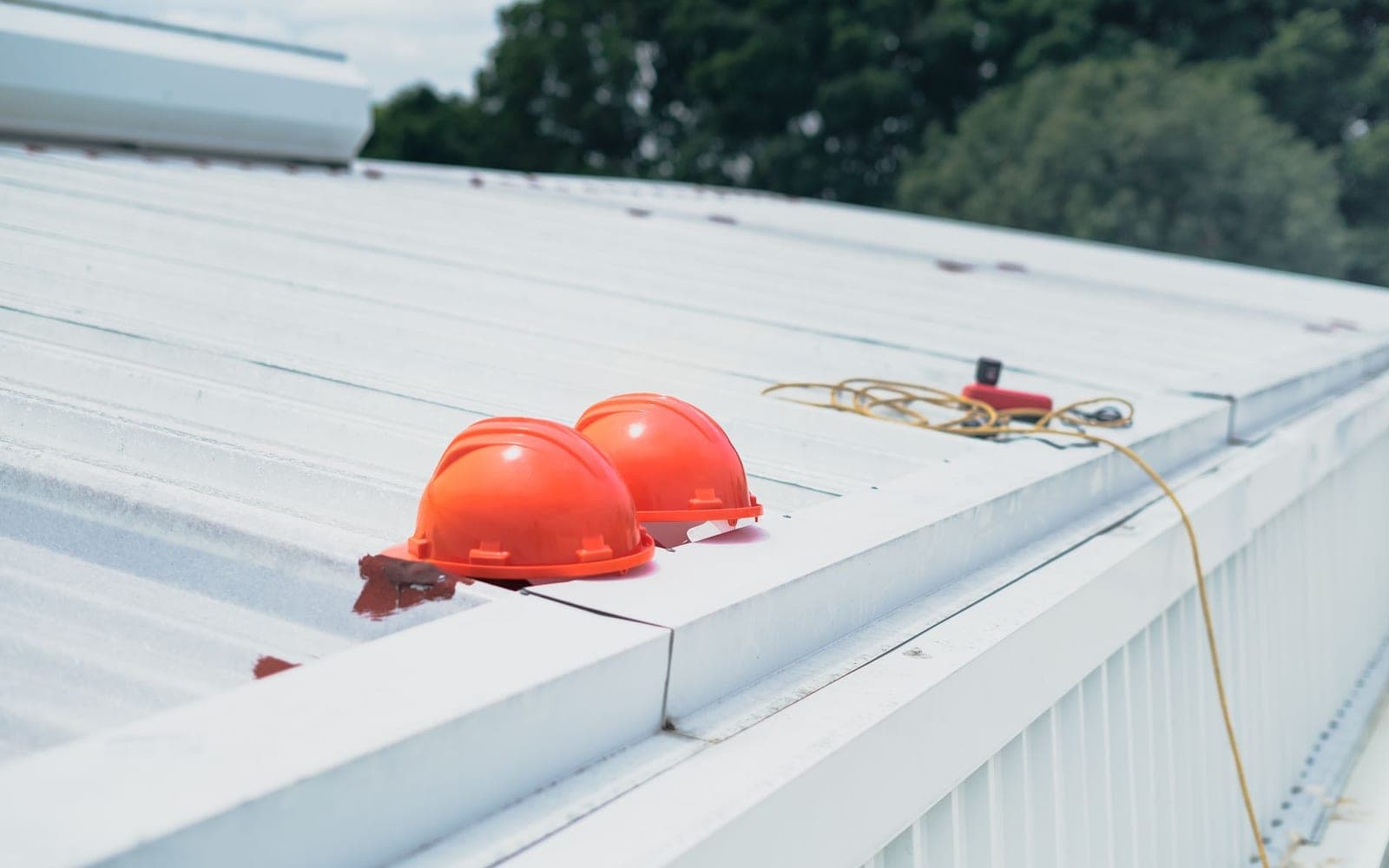
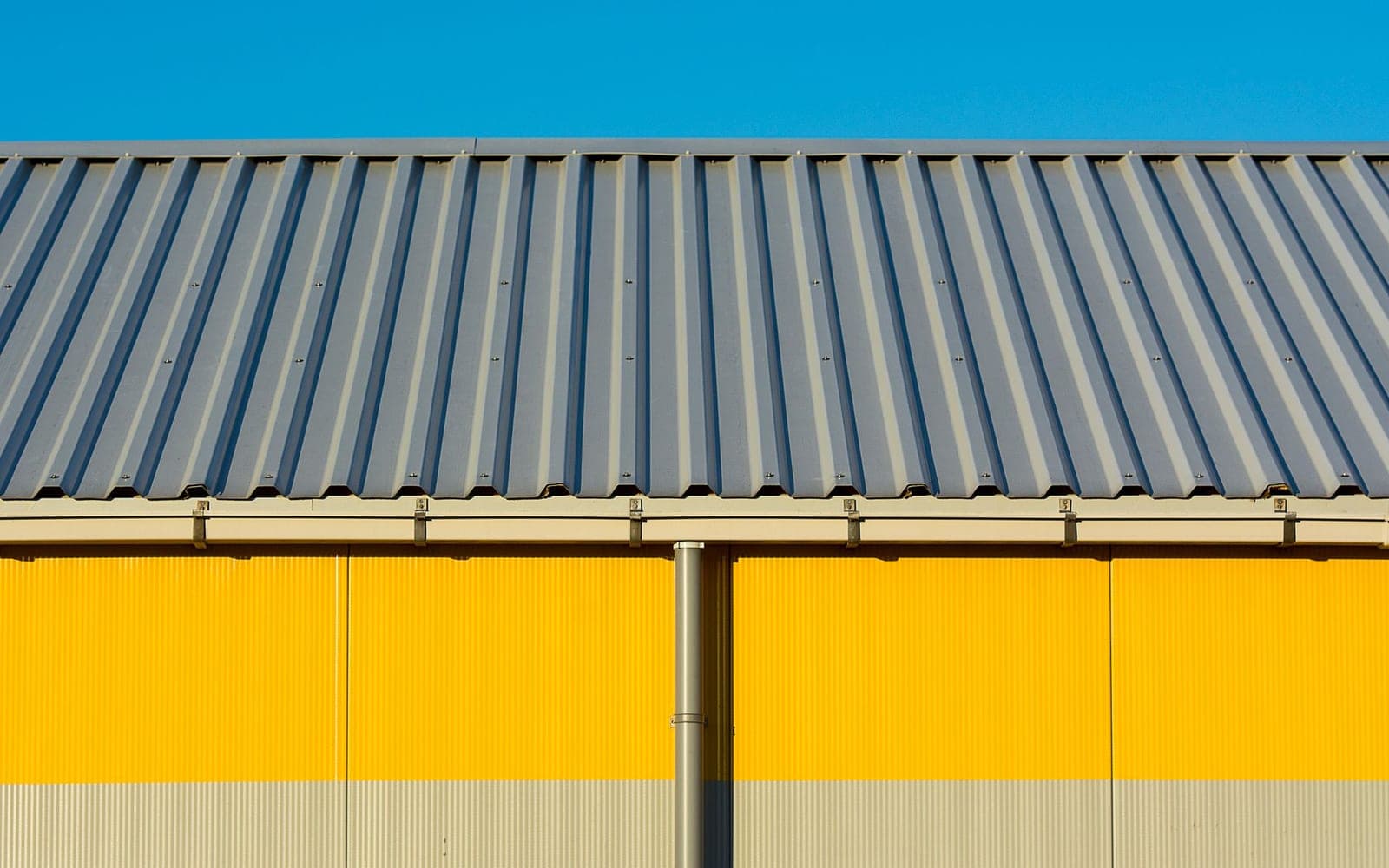
Flat & Low-Slope Roofing Gallery
Warning
Signs
Water ponding 48+ hours after rain
Indicates drainage problems that will degrade any membrane material over time, potentially leading to structural issues from added weight.
Blistering or bubbling on the membrane
Trapped moisture or air between layers will eventually crack open and create leak points.
Visible seam separation or lifting
Seams are the most vulnerable part of any flat roof. Separated seams allow direct water infiltration.
Soft or spongy areas when walking on the roof
The decking or insulation below is saturated with water, and structural damage is likely progressing.
Interior water stains below the flat roof
By the time water shows inside, the leak has usually been active for a while and damage may be extensive.
Cracking or alligatoring on the surface
UV degradation and thermal cycling cause surface cracking that looks like alligator skin, compromising the waterproof barrier.
Vegetation growing on the roof surface
Organic growth holds moisture against the membrane and roots can penetrate seams and flashing.
Maintenance
Tips
Our
Process
Assessment & Design
We evaluate the existing structure, measure precisely, assess drainage pathways, and test for subsurface moisture. We design the new system including slope, drainage placement, and penetration details.
Tear-Off or Preparation
We remove the existing membrane if warranted, repair or replace damaged decking, and install new insulation with tapered sections to ensure proper drainage slope.
Membrane Installation
The selected membrane is installed to manufacturer specs. TPO seams are heat-welded. EPDM is adhered and seamed with specialized adhesive. Modified bitumen is torch-applied or self-adhered.
Flashing & Detail Work
All penetrations, edges, transitions, and drainage components are carefully flashed and sealed. This detail work determines whether the roof performs flawlessly or develops leaks.
Inspection, Testing & Documentation
We perform flood testing or infrared scanning to verify watertight integrity, document the installation, and provide manufacturer warranty registration alongside our workmanship guarantee.
What Drives the Number
Prices are estimates for Upstate SC — get a real quote for your project.
FAQ
Explore More
Get Your
Quote
Call us directly or request a quote online. No pressure, no upselling — just honest answers about your flat & low-slope roofing needs.
(864) 304-0139