
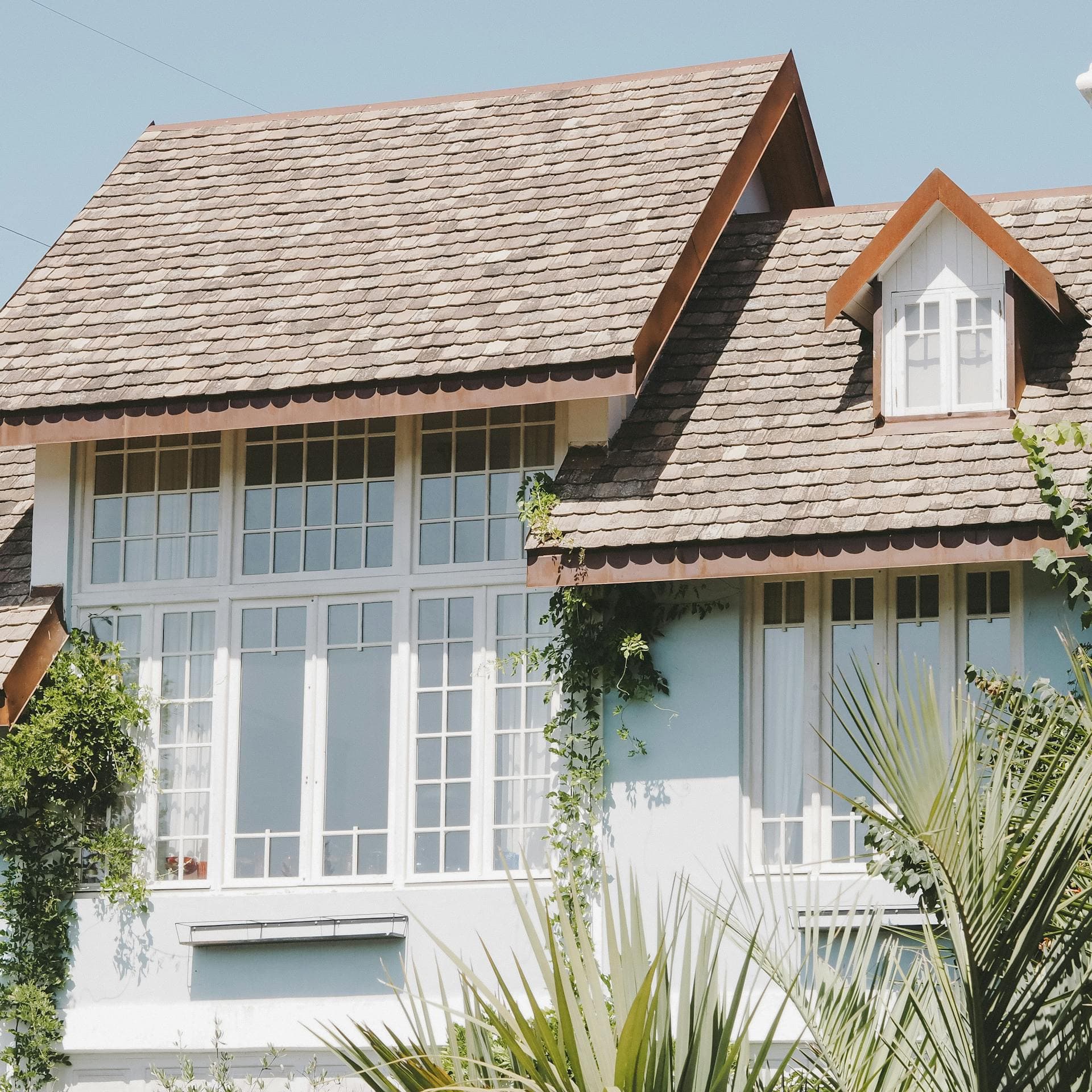
Proven Protection Built
for Foothills Weather
From basic 3-tab to premium designer styles that replicate natural slate and cedar shake, we install shingle systems built to handle the heat, humidity, and storm seasons this part of the country runs on. Our crews work out of Easley, just west of Greenville, and we roof across South Carolina, North Carolina, and Georgia. After 25-plus years on these roofs we know which products perform and which ones just look good in a brochure.
Shingle Roofing
Guide
What It Is
Asphalt shingle roofing uses fiberglass mat coated with asphalt and mineral granules to create a weather-resistant barrier for your home. There are three distinct tiers: 3-tab shingles are a single flat layer with uniform cutouts. Architectural (dimensional) shingles bond two or more layers for a thicker, textured profile that mimics wood or slate. Designer shingles are the premium tier — significantly heavier with multi-layer construction that closely replicates natural slate, cedar shake, or other high-end materials.
Materials & Performance
All modern asphalt shingles start with a fiberglass base mat coated in asphalt and topped with ceramic-coated mineral granules that protect against UV radiation. Architectural shingles are now the industry standard, offering wind ratings of 110–130 mph compared to 3-tab's 60–70 mph. Severe thunderstorms across the foothills regularly produce 50–80 mph gusts, on either side of the state lines, so that difference matters. Impact-resistant (Class 4) shingles come up on more and more of our jobs, tested to withstand hail strikes and sometimes qualifying homeowners for insurance discounts.
What Drives the Number
Three things set the price on a shingle job: the tier you pick, how much roof there is, and what we find once the old roof is off. Material tier is the obvious one — 3-tab is thin single-layer stock lasting 15–20 years, architectural is bonded multi-layer at 25–30, designer is heavy multi-layer product at 30–40 that costs more to buy and takes longer to carry up and lay out. Past material, pitch decides everything: anything steeper than about 8:12 stops being walkable, which means staging, roof jacks, and slower work on every stage. Layer count is the surprise — a second layer roughly doubles tear-off labor and dumpster volume, and you often don't know it's there until we lift a corner. Then decking. We carry a sheet allowance in the estimate and bill only what we actually replace once the deck is open. The honest comparison between tiers is cost per year of service, not the number on day one: 3-tab's low sticker means three roofs in the span architectural needs two.
Why It Matters Here
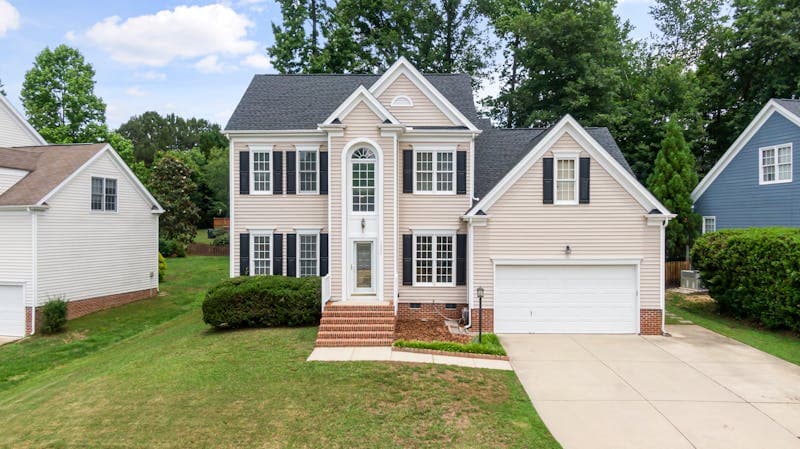
Choosing the right shingle tier isn't just about appearance — it's about matching your roofing investment to your home's needs, your budget timeline, and what the weather here actually does to a roof. Humidity and heat across the region can shorten lifespans by several years if ventilation and installation quality are lacking. A quality architectural shingle installation with proper ventilation is the sweet spot for most of the homes we work on, from Greenville and Anderson out to the mountain counties.
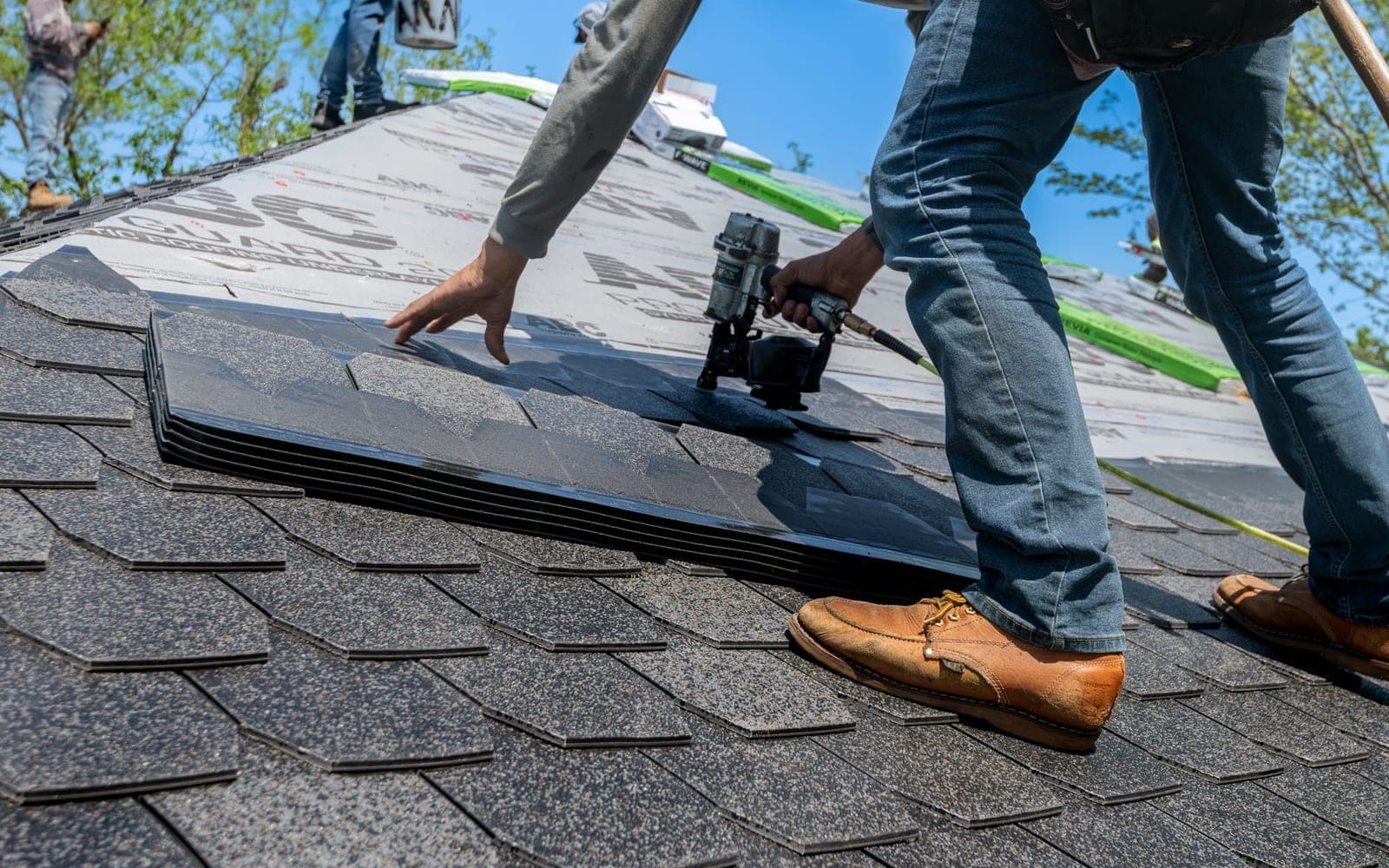
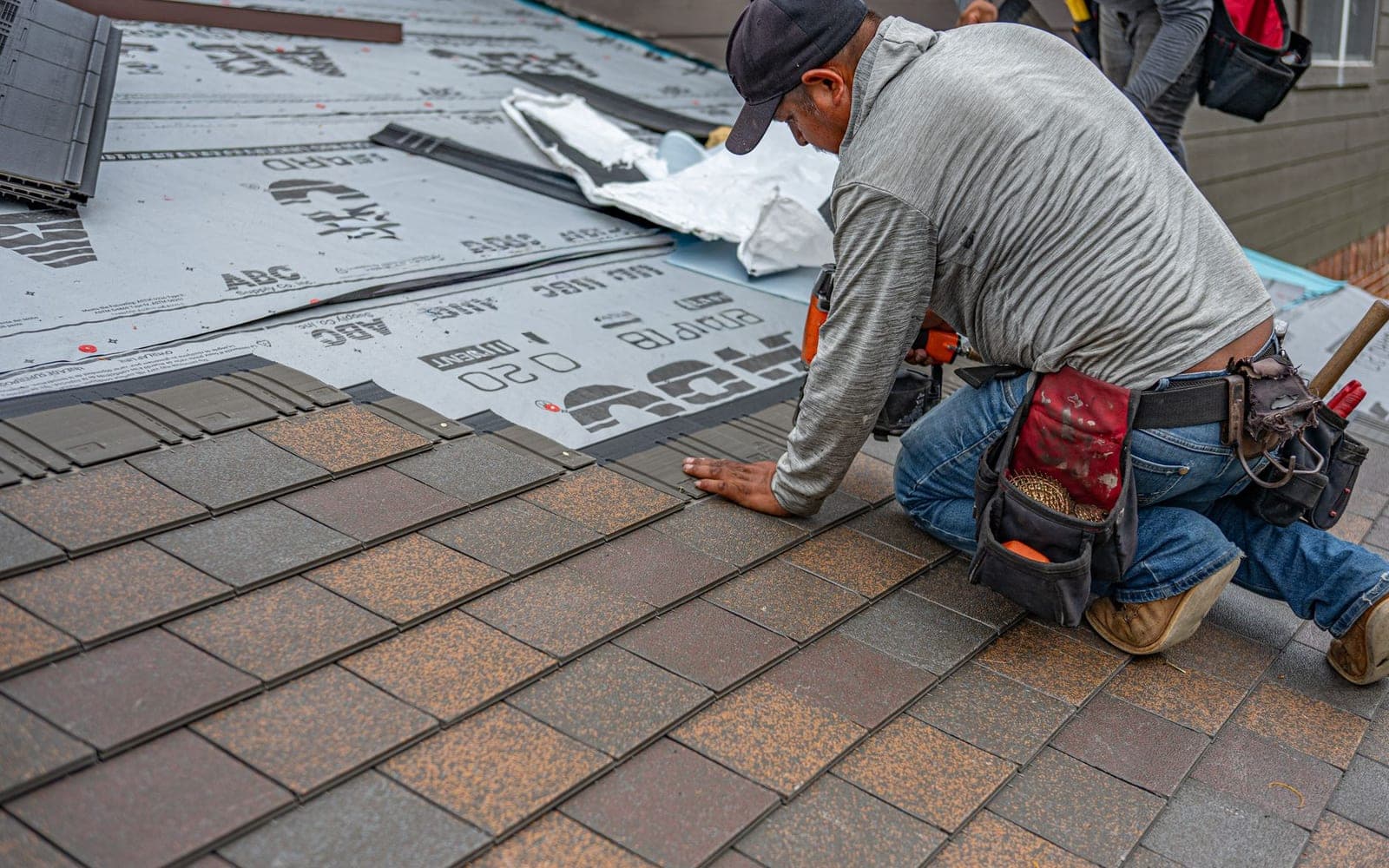
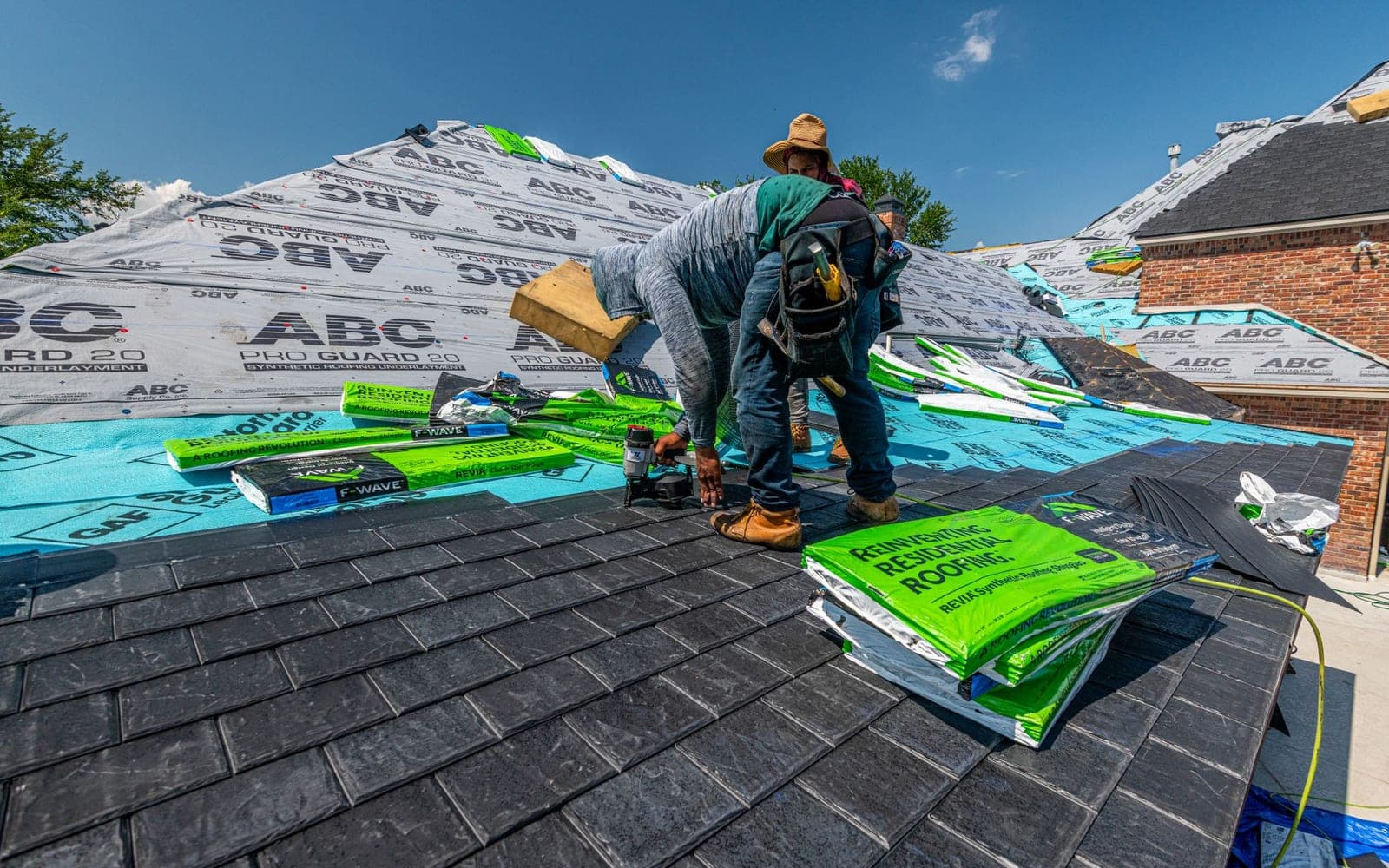
Shingle Roofing Gallery
Warning
Signs
Granules accumulating in gutters or at downspout discharge
Some granule loss is normal on a new roof, but persistent shedding on an older roof means UV protection is failing.
Shingles curling at the edges or buckling in the center
This indicates moisture damage or failed adhesive and creates gaps where water penetrates.
Bald or dark patches visible from the ground
Exposed asphalt means granules are gone and that section is rapidly deteriorating from UV and heat exposure.
Cracked or broken shingles
Thermal cycling — our hot days and cooler nights — makes aging shingles brittle. Cracked shingles are an open invitation for leaks.
Missing shingles after a storm
Even one missing shingle exposes underlayment and decking to water damage.
Black streaks or green moss growth
Algae and moss thrive in our humidity. While algae is mostly cosmetic, moss roots can lift shingles and trap moisture underneath.
Daylight visible through the roof deck from the attic
This means structural gaps exist and water is almost certainly finding its way in.
Sagging areas on the roof surface
The decking underneath has been compromised by moisture. Structural repair is needed immediately.
Maintenance
Tips
Our
Process
Consultation & Inspection
We inspect your current roof, measure the area, assess decking condition from the attic, check ventilation, and discuss your goals and budget. You get a detailed written estimate with material options.
Material Selection
We walk you through shingle tier options (3-tab, architectural, designer), colors, and manufacturer warranties. We make honest recommendations based on your home's needs and what performs in this climate.
Tear-Off & Deck Prep
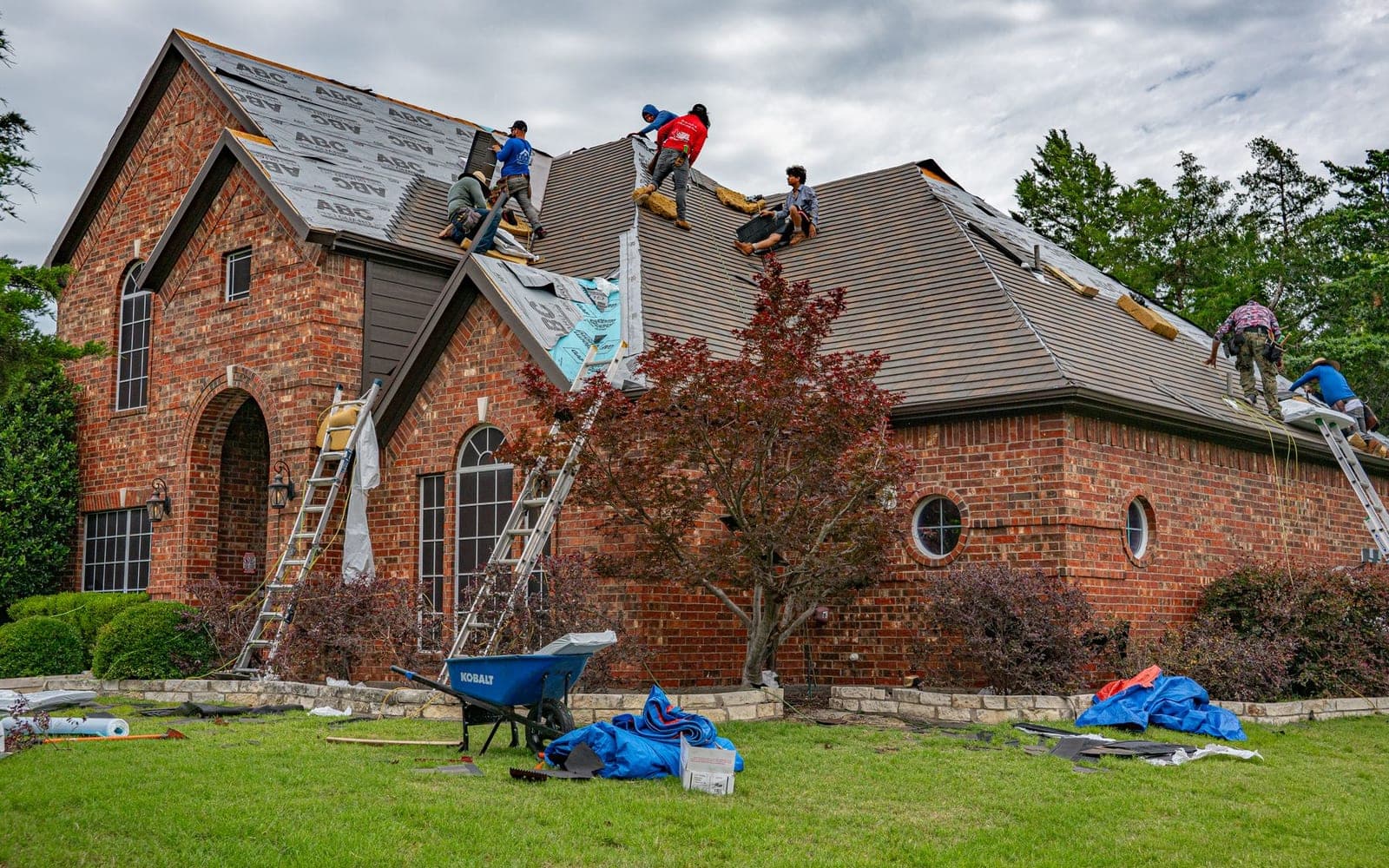
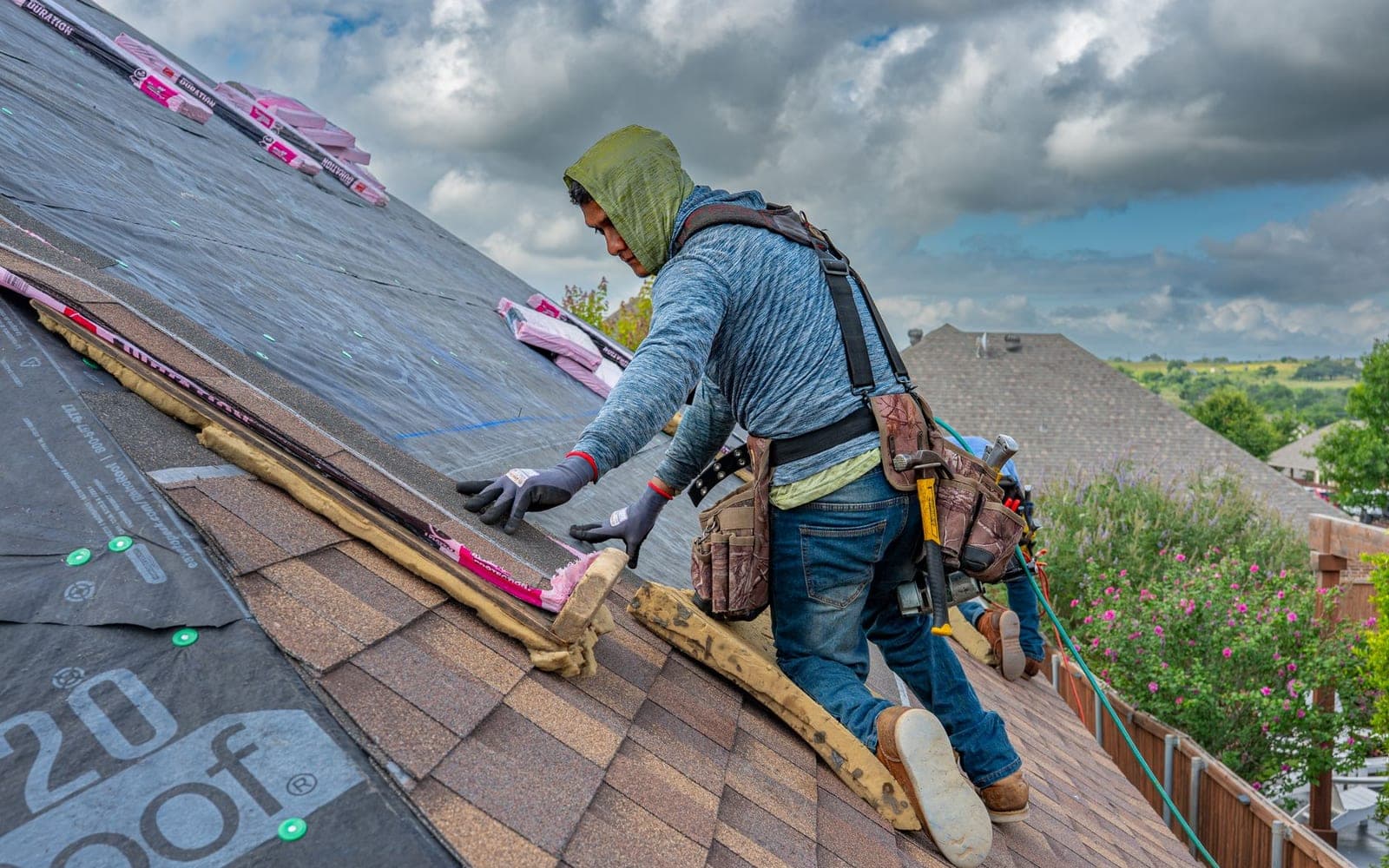
We strip the old roof down to the deck, inspect and replace damaged decking or rotten wood, and install ice-and-water shield in vulnerable areas — valleys, eaves, and around penetrations.
Installation
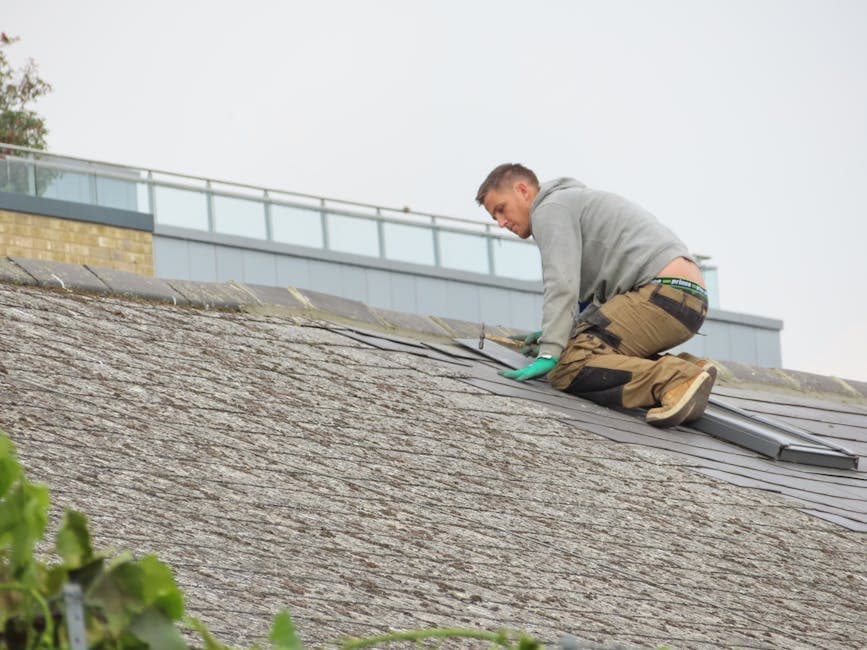
Drip edge, underlayment, starter strip, shingles, ridge cap, and all flashing installed to manufacturer specs. Proper nailing patterns and placement are non-negotiable — this is where shortcuts cause failures.
Inspection & Cleanup
We inspect every detail, run magnetic sweepers for nails, haul away all debris, and walk you through the completed work. You receive warranty documentation for both materials and labor.
What Drives the Number
Prices are estimates for Upstate SC — get a real quote for your project.
FAQ
Explore More
Get Your
Quote
Call us directly or request a quote online. No pressure, no upselling — just honest answers about your shingle roofing needs.
(864) 304-0139