
A Roof That Outlasts the
Mortgage — And Then Some
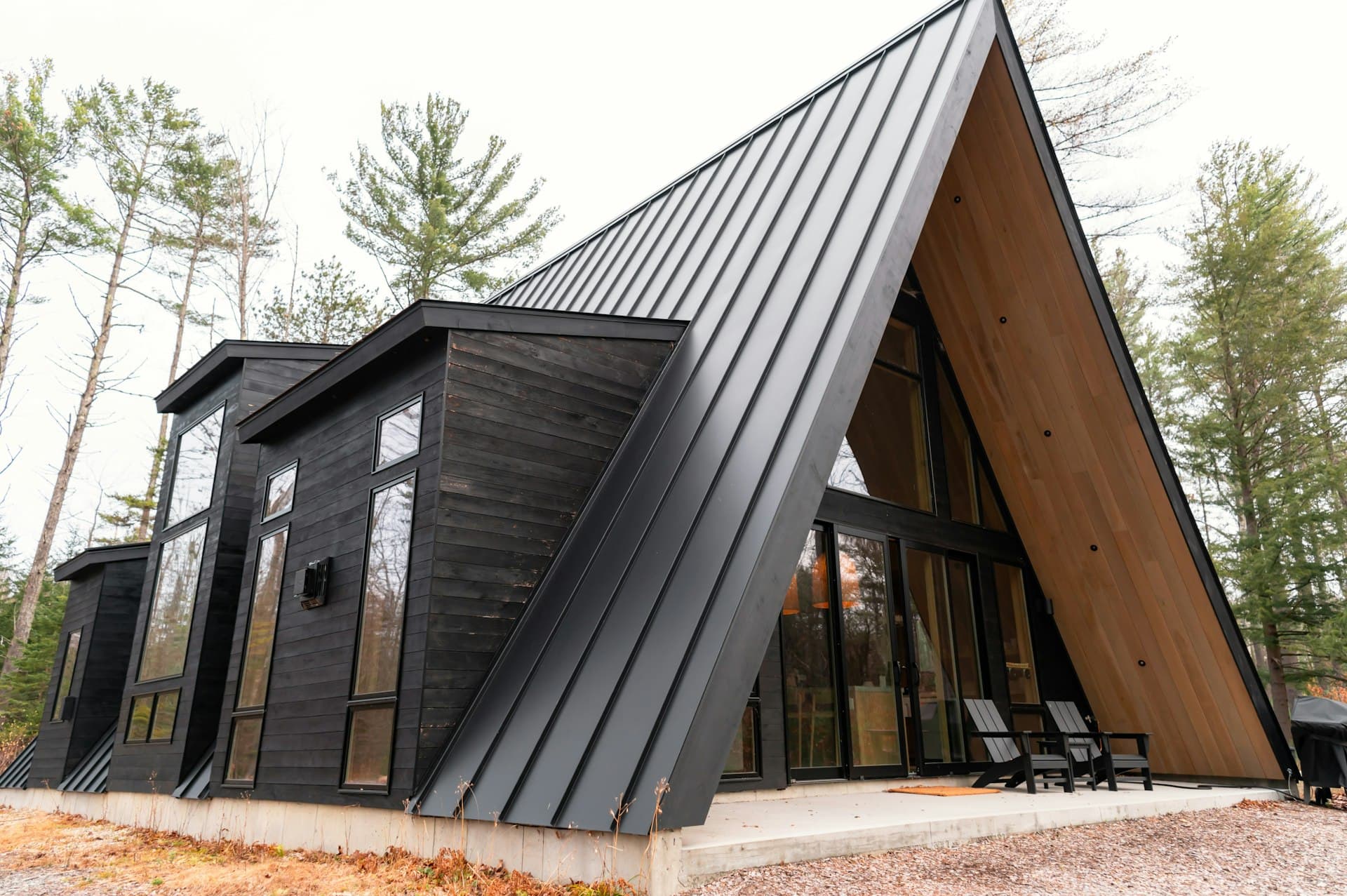
With lifespans of 40–70 years, wind ratings up to 140 mph, and energy efficiency that can cut cooling costs by up to 25%, metal roofing is a long-term investment that pays dividends every month. We install standing seam, corrugated, and metal shingle systems engineered to handle our summers, our storms, and our humidity.
Metal Roofing
Guide
What It Is
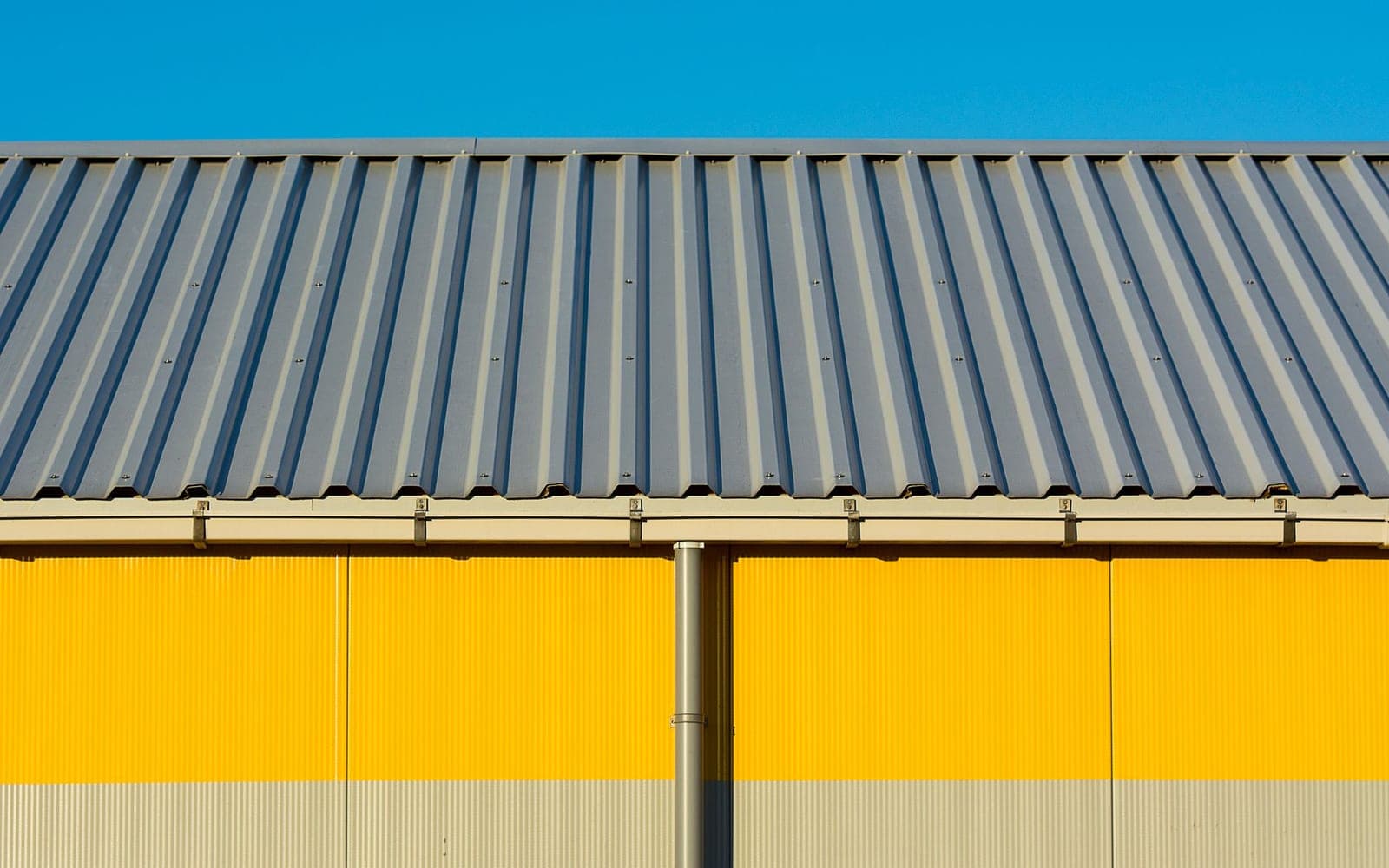
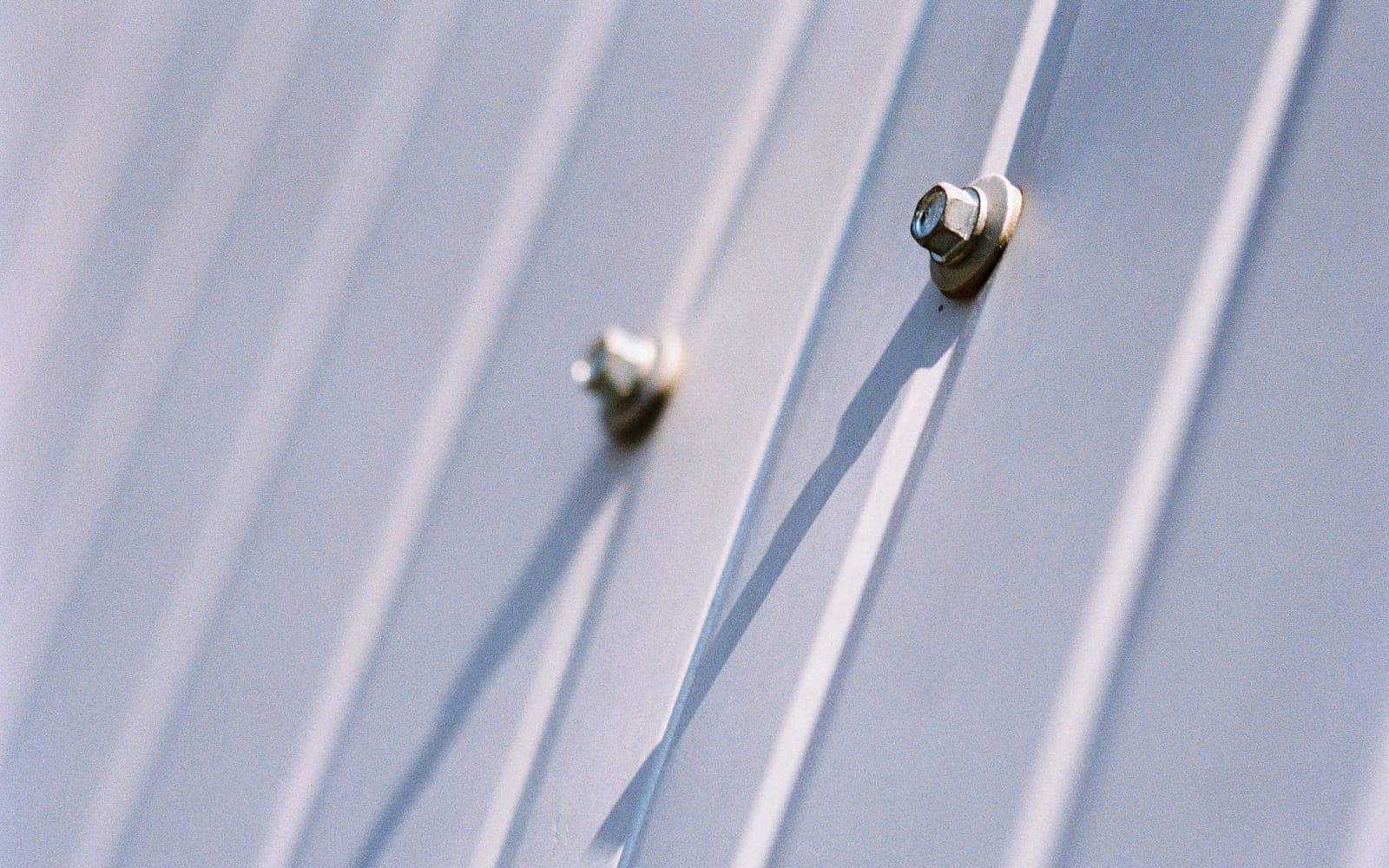
Metal roofing for residential applications comes in three primary styles. Standing seam uses long vertical panels with raised interlocking seams that conceal all fasteners — creating a sleek, modern look and the best weather protection. Corrugated metal uses ribbed panels with exposed fasteners — the simplest profile to fabricate and the fastest to install, which is why it sits at the entry point of the metal category. Metal shingles are designed to look like traditional shingles, slate, or shake while delivering metal's performance benefits.
Materials & Performance
Most of the residential metal we install is steel (galvanized or Galvalume-coated) or aluminum. Steel prices below aluminum per square and carries more strength; aluminum is lighter, naturally corrosion-resistant, and priced above steel — worth the step up in our humid climate. Standing seam roofs withstand winds up to 140 mph and shed rain and debris efficiently. Metal reflects solar radiant heat rather than absorbing it — Energy Star-rated metal roofs can reduce cooling costs by 10–25%.
Where the Money Goes
Metal prices off three things: profile, metal and gauge, and how cut-up your roofline is. Corrugated is the least involved — exposed fasteners, wide panels, fast coverage, 20–50 years of service. Standing seam sits at the top of the range because the panels get roll-formed to length on site, every clip and seam is mechanically locked, and every valley, hip, ridge, and pipe penetration gets flashing bent to fit; that labor is what buys the 40–70 year life and the hidden-fastener system. Metal shingles land between the two — 30–50 years, but installed piece by piece, so they price on labor hours more than material. Aluminum costs more per square than steel, and heavier gauge costs more than lighter. Complexity is the multiplier most owners miss: a simple gable runs panels straight from eave to ridge, while a roof full of dormers, hips, and valleys turns into a sheet-metal fabrication job. Plan on 2–5 days for a standard home — longer for standing seam, since fabrication precision can't be rushed. When a quality standing seam roof may be the last roof the house ever needs, the math often favors metal.
Why It Makes Sense Here
The climate here throws everything at a roof: UV bombardment, humidity, hail, high winds, and heavy rain. It does it the same way in Pickens County as it does over the line in Henderson County, North Carolina, or down in Rabun County, Georgia. Metal handles all of it. No granule loss, no moss growth, no rotting. The reflective properties directly combat our biggest climate challenge — sustained summer heat. We've been installing metal roofing across this region for over two decades and have seen firsthand how it outperforms.
Metal Roofing Gallery
Warning
Signs
Rust spots, especially around fasteners and panel overlaps
These are moisture traps where corrosion starts. Small patches caught early can be treated; advanced rust may require panel replacement.
Loose or lifted panels that shift or rattle in wind
Fasteners have failed or clips have disengaged, and wind-driven rain is getting underneath.
Visible fastener deterioration on exposed-fastener systems
Rubber washers degrade over time (typically 15–20 years). Once they fail, every screw hole becomes a leak point.
Condensation or water stains on attic-side surfaces
Metal roofing is more susceptible to condensation than asphalt. Inadequate underlayment or ventilation causes moisture buildup.
Dents or creases from hail or debris impact
While metal is impact-resistant, severe hail can dent panels and compromise protective coatings, exposing bare metal to corrosion.
Sealant deterioration at seams or penetrations
Sealant has a shorter lifespan than the metal itself and needs periodic replacement to maintain watertight integrity.
Discoloration, chalking, or fading of the finish
While mostly cosmetic, this can indicate the protective coating is wearing, leaving the metal more vulnerable.
Maintenance
Tips
Our
Process
Consultation & Measurement
We assess your current roof structure, measure precisely, evaluate attic ventilation, and discuss style and material options. Metal requires careful planning for thermal expansion, so accurate measurement is critical.
Material Selection & Fabrication
Standing seam panels are often custom-fabricated on-site using a portable roll-forming machine. We help you choose material type (steel, aluminum), gauge, finish color, and profile style.
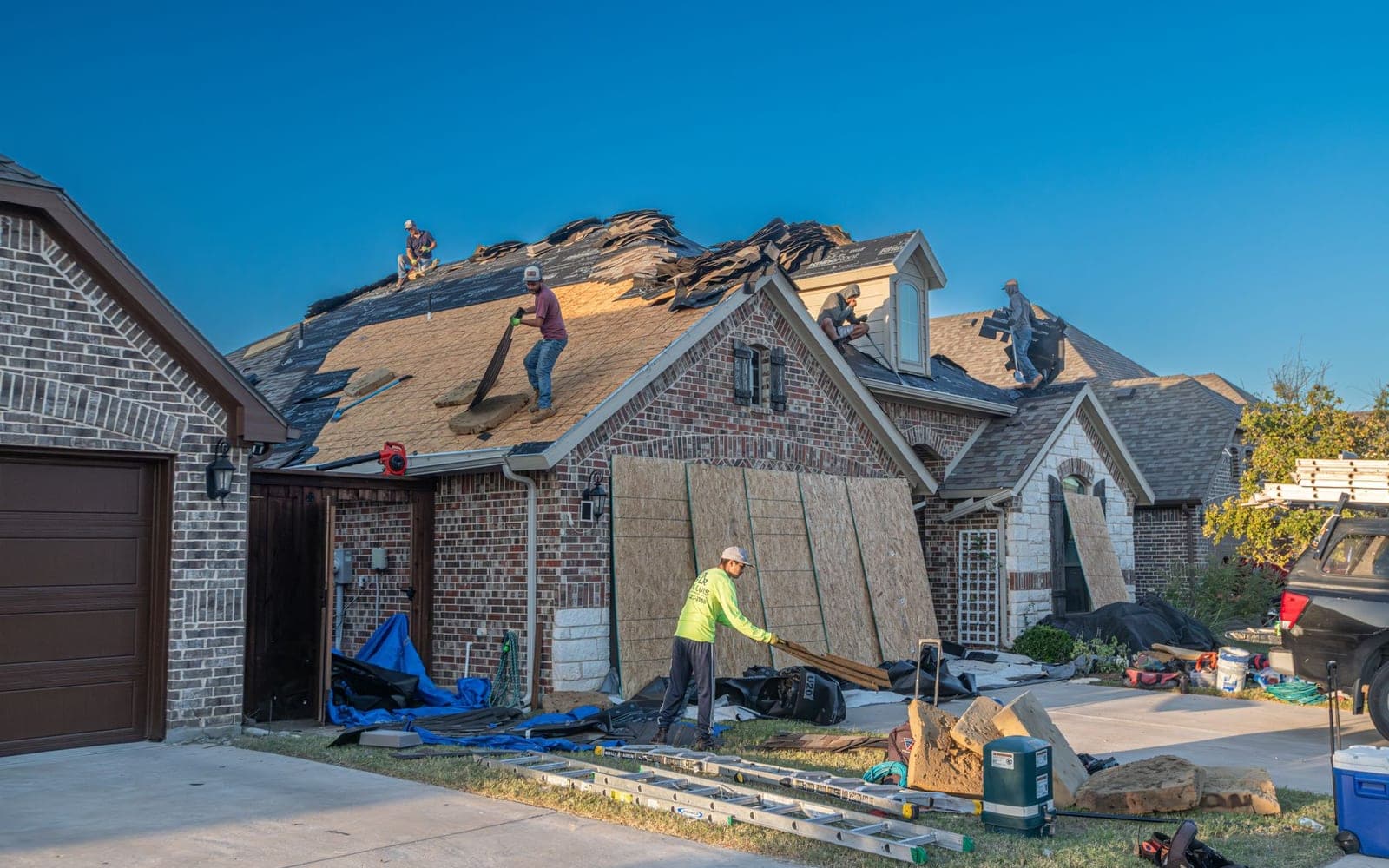
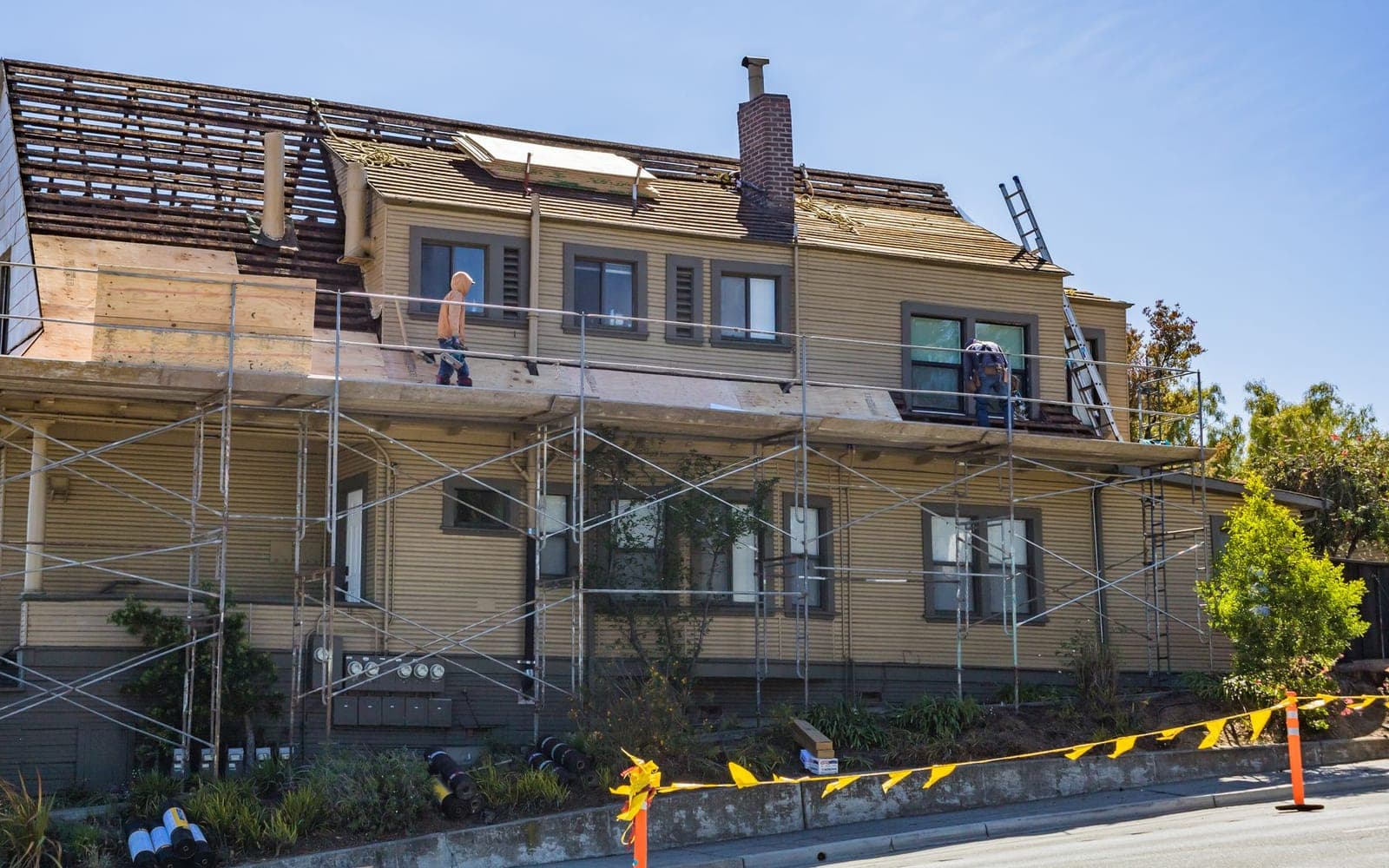
Tear-Off & Deck Prep
We remove existing roofing, inspect and repair decking, install high-temperature underlayment designed for metal applications, and ensure proper ventilation.
Installation
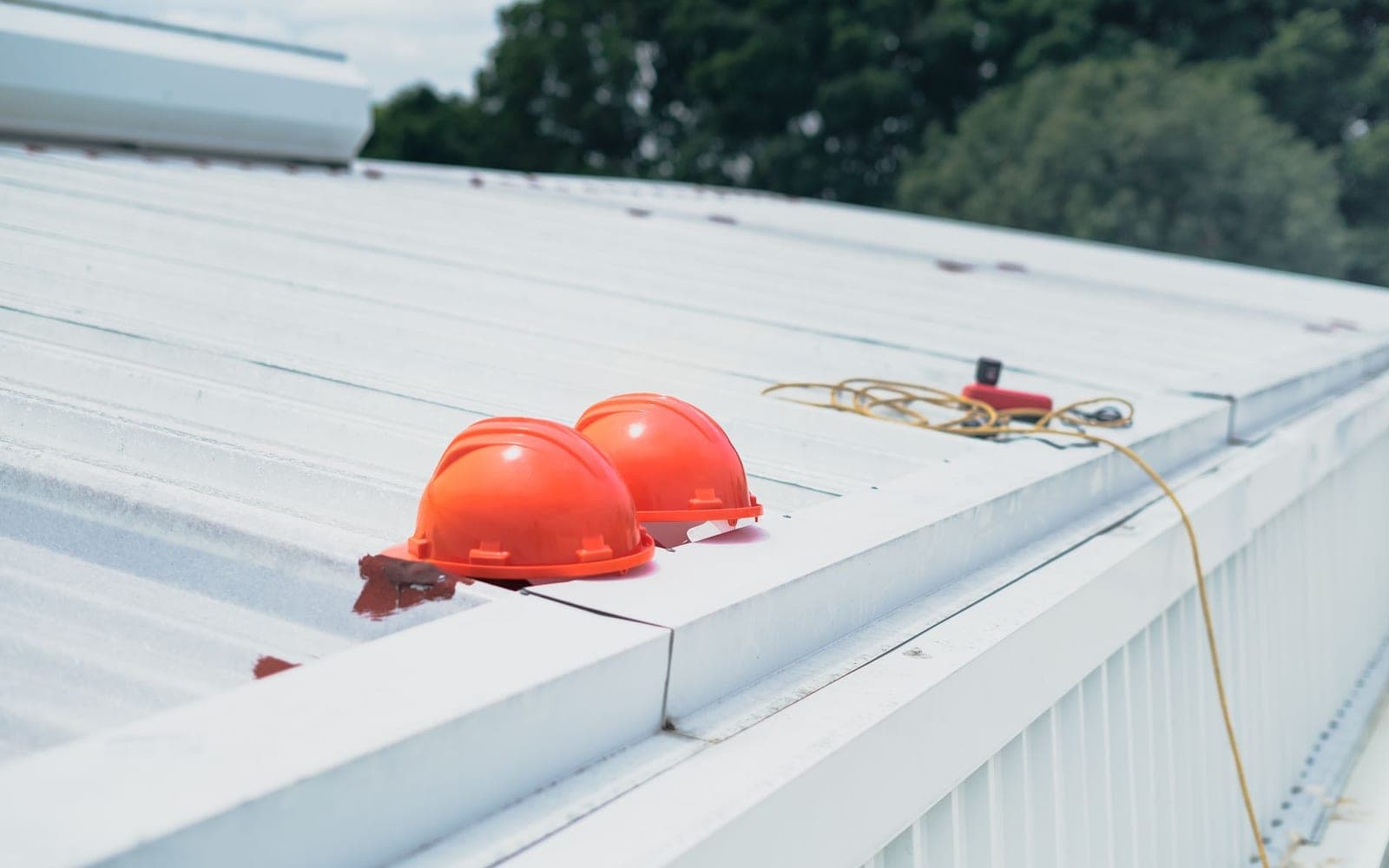
Panels installed with clips or fasteners allowing for thermal expansion. All flashing, trim, ridge caps, and transitions fabricated and sealed. Standing seam panels are mechanically locked for maximum wind resistance.
Final Inspection & Documentation
We verify every seam, fastener, and flashing detail, ensure proper drainage, and provide warranty documentation. Most metal roofing carries a 30–50 year manufacturer warranty.
What Drives the Number
Prices are estimates for Upstate SC — get a real quote for your project.
FAQ
Explore More
Get Your
Quote
Call us directly or request a quote online. No pressure, no upselling — just honest answers about your metal roofing needs.
(864) 304-0139