
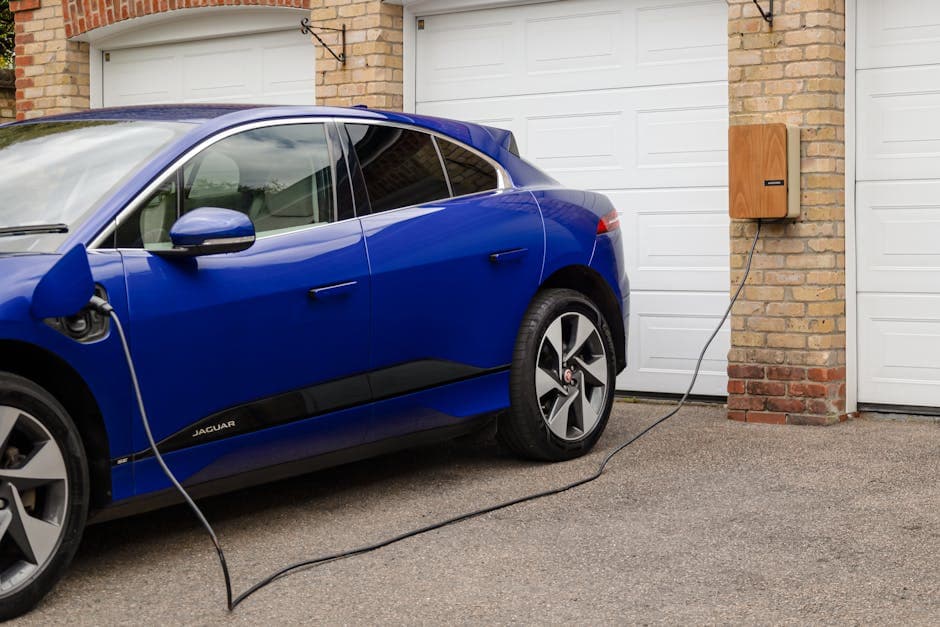
Charge at Home. Wake
Up Full Every Morning.
A Level 2 home charger delivers 25–50 miles of range per hour — a full overnight charge while you sleep. RO installs Tesla Wall Connectors, ChargePoint, JuiceBox, and universal NEMA 14-50 outlets with dedicated 240V circuits, panel capacity verification, and full code compliance. Stop paying for public charging.
EV Charger Installation
Guide
What It Is
A Level 2 EV charger runs on a dedicated 240-volt circuit (like a dryer outlet) and delivers significantly faster charging than the standard Level 1 (120V) cord that comes with your vehicle. Most Level 2 chargers provide 25–50 miles of range per hour, meaning a full charge in 6–10 hours overnight. Installation involves running a dedicated circuit from your panel to the charger location, typically in your garage or on an exterior wall near your parking spot.
Charger Options
The Tesla Wall Connector is the cleanest option for Tesla owners — up to 48 amps with Wi-Fi and app control. The ChargePoint Home Flex works with any EV and lets you set amperage anywhere from 16 to 50, which matters when your panel can't give up a full 60-amp circuit and you need the charger to match what the load calculation allows. The JuiceBox Pro 40 sits in the middle with scheduling and smart features. If you already own the portable EVSE that came with the car and just need somewhere to plug it in, a NEMA 14-50 outlet on its own dedicated circuit is the least hardware for the most range. On most of these jobs the hardware is the smaller half of the bill — the circuit is the bigger half.
What Drives the Install
The circuit is the job. The biggest single variable is the distance from your panel to where the car actually parks — a charger on the garage wall backing up to the panel is an afternoon; a charger at the far end of a detached garage means conduit, likely a trench, and sometimes a sub-panel. After that: whether your panel has a free two-pole slot and the spare capacity a load calculation says you need for a 40–60 amp circuit, whether the run goes through open garage framing or gets fished through finished walls, and whether it goes outdoors and needs weatherproof conduit, fittings, and a rated disconnect. If the load calc says the service is already full, a panel upgrade comes first and brings utility disconnect scheduling with it — that is the surprise that moves an EV job from one day to two visits. Permit and inspection apply everywhere we work; we're licensed in South Carolina, North Carolina, and Georgia, so the paperwork follows your address rather than ours. A 30% federal tax credit covers EV charger installation at your primary residence, hardware and labor both, and we hand you the documentation for it.
Why It Matters Here
Public charging thins out fast once you're off the I-85 corridor, and even where you find it, it's slow next to charging in your own garage. A Level 2 charger means you stop planning your day around finding a working plug. Residential power across South Carolina, North Carolina, and Georgia runs at or under the national average rate, so your cost per mile drops hard against gasoline. Several of the utilities in our footprint — Duke, Dominion, and Georgia Power among them — offer overnight time-of-use pricing, which lets you push nearly all of your charging into the cheapest hours of the night. A smart charger schedules that once and you never think about it again. The federal tax credit covers a share of the install on top of that.
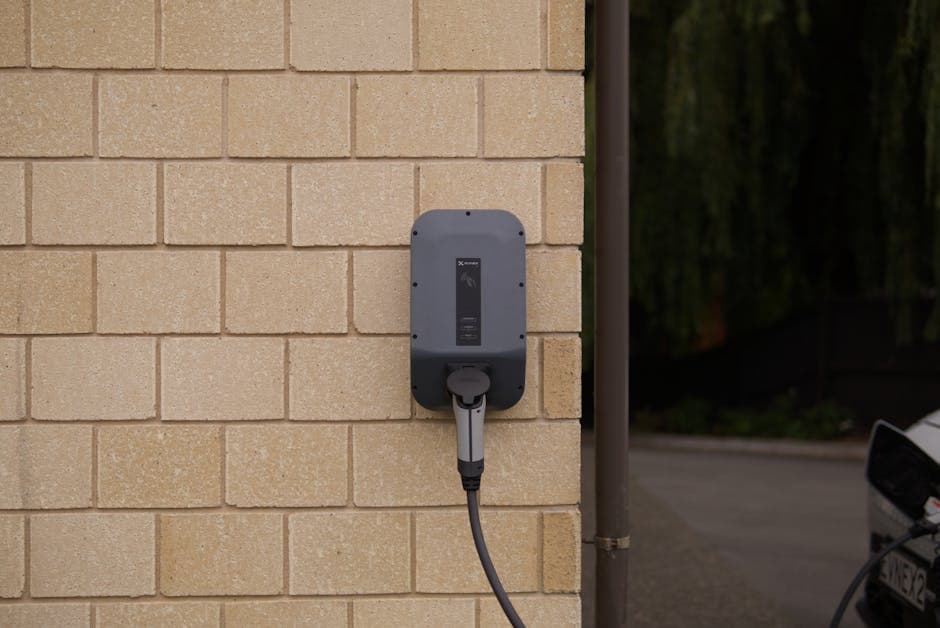
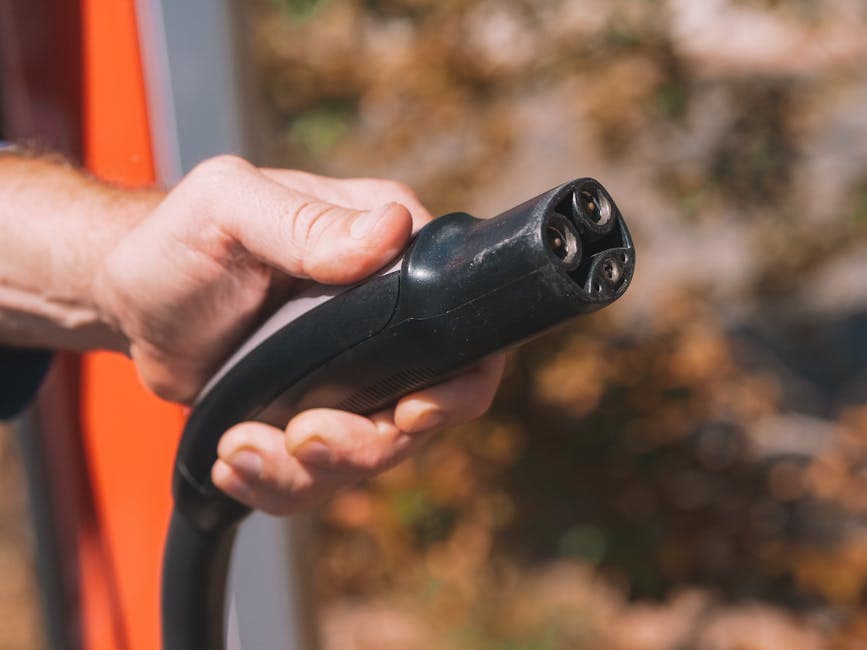
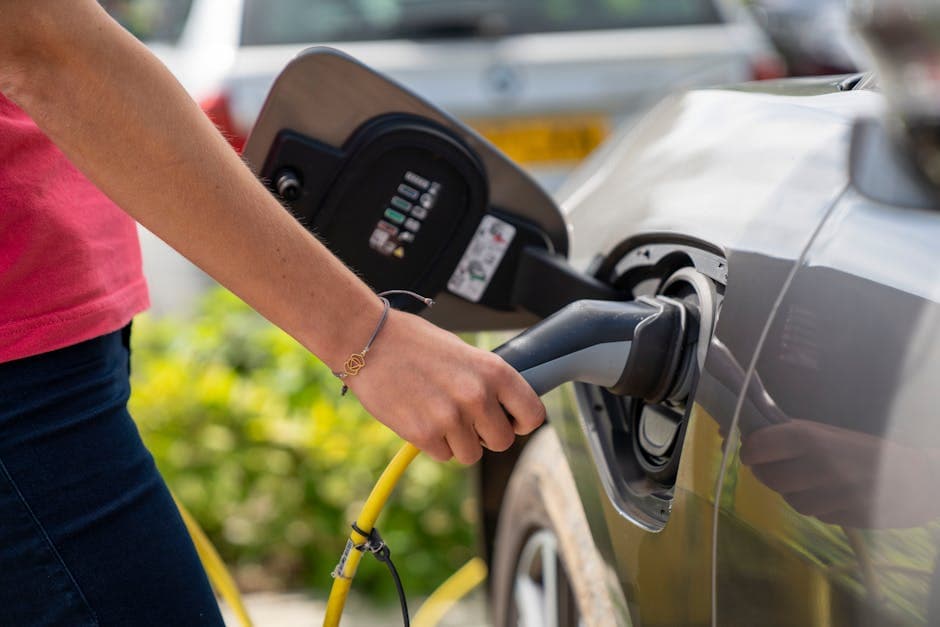
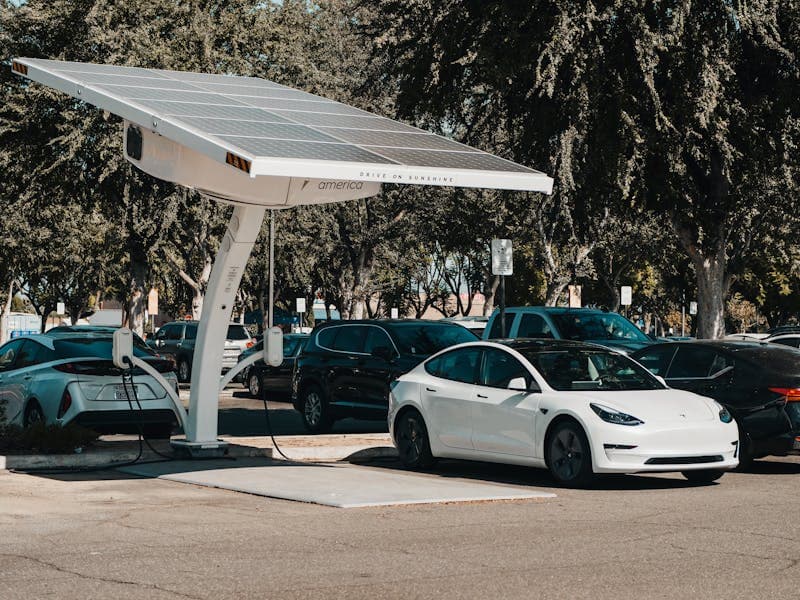
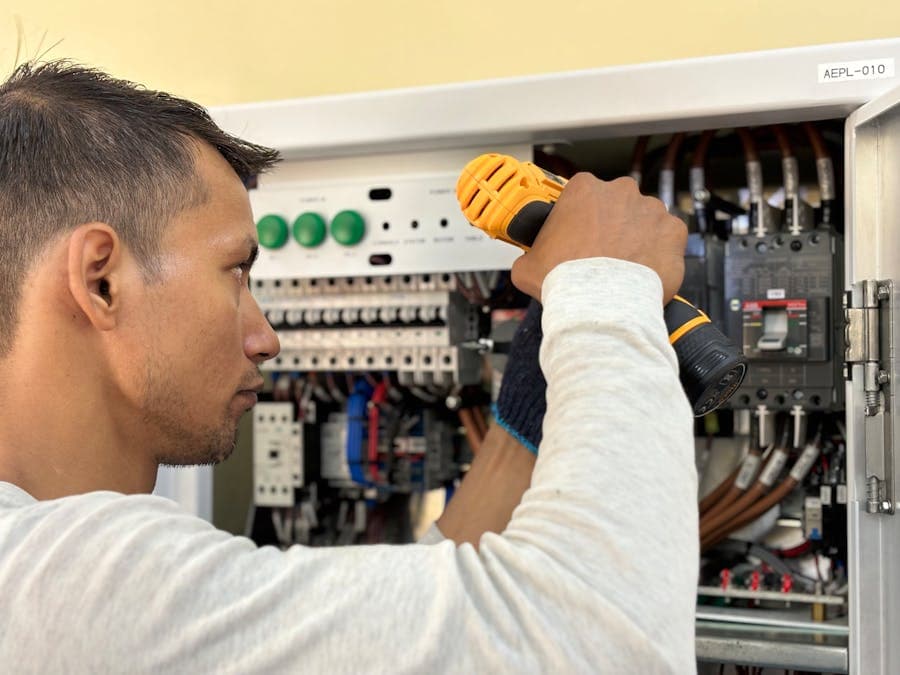
EV Charger Installation Gallery
Warning
Signs
You're charging on a standard 120V outlet (Level 1)
Level 1 charging delivers only 3–5 miles of range per hour. If you drive more than 30 miles daily, you're running a deficit that a Level 2 charger eliminates overnight.
Your charger trips the breaker when other appliances run
If you rigged a 240V outlet without a dedicated circuit, other loads on that circuit cause overloads. A properly installed charger needs its own dedicated breaker.
You're using an extension cord to reach your charging spot
Extension cords are a fire risk for EV charging — they weren't designed for sustained high-amperage draw. A hardwired charger eliminates this hazard.
You're charging at public stations most weeks
Public charging runs roughly three to four times the per-kWh rate of home electricity, and you pay for the drive there and the wait on top. On normal daily mileage, a Level 2 setup at home pays itself back on fuel alone inside the first year or two.
You're considering buying an EV but worried about charging
Home charging infrastructure should be installed before or right when you get the vehicle. We can assess your panel and install the charger before delivery day.
Your garage panel is maxed out
If your panel can't accommodate a 40–60 amp circuit, a panel upgrade or smart load management device may be needed before the charger can go in.
Maintenance
Tips
Our
Process
Panel & Site Assessment
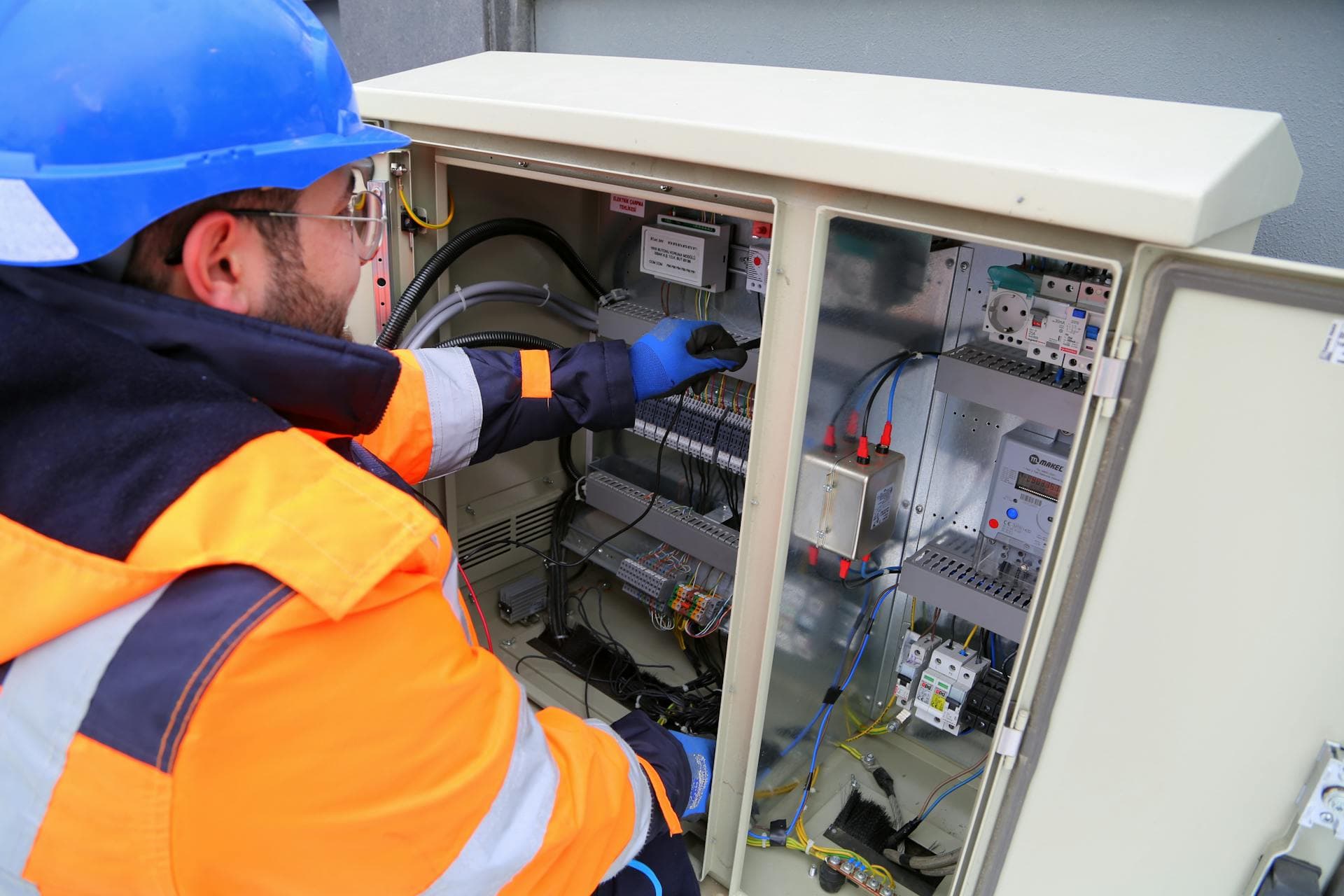
We verify your panel has capacity for a 40–60 amp dedicated circuit, determine the optimal charger location, and measure the wire run distance. If a panel upgrade is needed, we scope that too.
Charger Selection
Based on your vehicle, driving habits, and budget, we recommend the right charger. We install any brand — Tesla, ChargePoint, JuiceBox, Grizzl-E, or a simple NEMA outlet.
Circuit Installation
We install a dedicated 240V circuit from your panel to the charger location. This includes properly sized wire, conduit (where required), and a dedicated breaker sized to the charger's specifications.
Charger Mounting & Connection
The charger is mounted (wall or pedestal), hardwired to the dedicated circuit, and configured. We handle the Wi-Fi setup, app pairing, and any scheduling preferences.
Testing & Walkthrough
We test the full charge cycle with your vehicle, verify amperage draw, and confirm the app is showing correct data. You get a walkthrough of charger features, scheduling, and your tax credit documentation.
What Drives the Number
Prices are estimates for Upstate SC — get a real quote for your project.
FAQ
Explore More
Get Your
Quote
Call us directly or request a quote online. No pressure, no upselling — just honest answers about your ev charger installation needs.
(864) 304-0139