
Your Power Stays On When
the Grid Goes Down
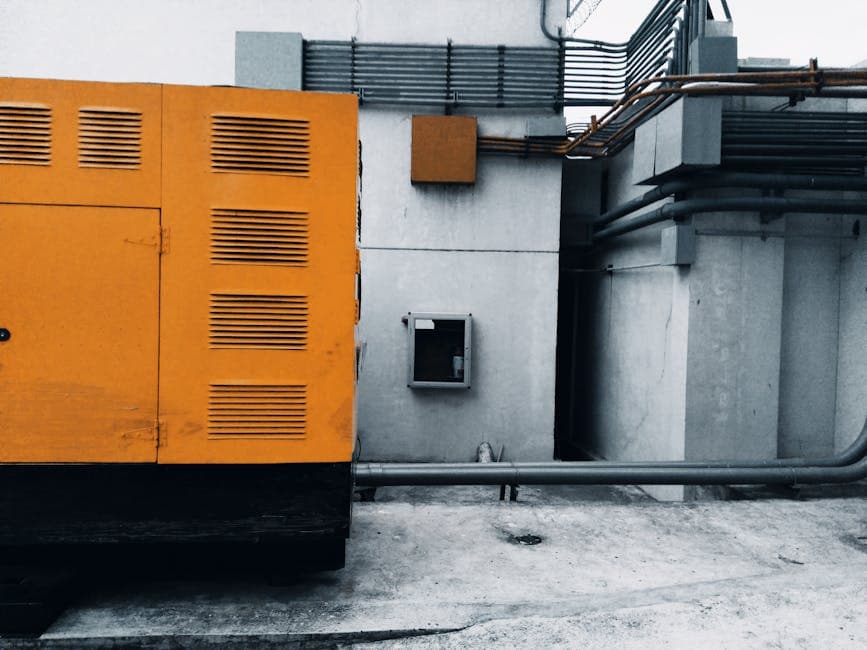
When severe weather drops the grid across the foothills, a standby generator kicks in automatically — within seconds. RO installs whole-house generators from Generac, Kohler, and Briggs & Stratton, complete with automatic transfer switches, concrete pads, and full electrical integration. No extension cords, no manual startup, no worry.
Generator Installation
Guide
What It Is
A standby generator is a permanently installed, fuel-powered unit (natural gas or propane) that sits outside your home and connects directly to your electrical panel through an automatic transfer switch (ATS). When utility power drops, the ATS detects the outage, signals the generator to start, and transfers your home's electrical load to generator power — typically within 10–30 seconds. When utility power returns, the process reverses automatically.
Sizing Your Generator
Generators are sized by kilowatts (kW). A 7–10 kW unit covers essential circuits: refrigerator, sump pump, some lights, and a few outlets. A 14–20 kW unit powers most of your home, including central AC. A 22–26 kW+ unit handles the entire home, including electric range and multiple HVAC zones. We perform a full load calculation to recommend the right size — oversizing wastes fuel and money, undersizing leaves you exposed.
Sizing, Fuel & Schedule
The generator is only part of the job. Sizing sets the floor, and the load calculation picks the size — a unit that carries essential circuits is a different machine than one that carries the whole house with central AC running. After that it is site work and fuel: how far the pad sits from your gas meter or propane tank, whether the gas line has to be upsized to feed the unit at full load (undersized pipe is the single most common reason a generator starts and then stumbles), how far the transfer switch has to run back to your panel, and whether that switch is a whole-home ATS or a smaller essential-circuits switch. Premium brands ask more for quieter enclosures and heavier build — that is a real difference when the pad has to sit near a bedroom window. Schedule: 1–2 days for the set and electrical hookup once the pad has cured, plus a day if gas line work is needed, plus lead time up front for the pad pour, the permits, and the gas inspection. Permit and gas-inspection requirements are not the same in every jurisdiction — we're licensed in South Carolina, North Carolina, and Georgia and handle whichever set applies at your address, but a county that inspects gas and electrical separately adds a visit to the calendar. Propane setups add tank placement and the first fill.
Why It Matters Here
This region takes severe thunderstorms all summer, ice storms coming down off the Blue Ridge in winter, and hurricane remnants tracking inland in the fall — all of which cause multi-day outages. The farther you are down a rural co-op line, whether that's out past Pickens, up in the North Carolina mountain counties, or across into northeast Georgia, the further down the restoration list you sit. A standby generator isn't a luxury — it protects your sump pump from flooding, keeps your fridge and freezer running, maintains HVAC for vulnerable family members, and lets you work from home when the grid is down. For homes with medical equipment, it's essential.
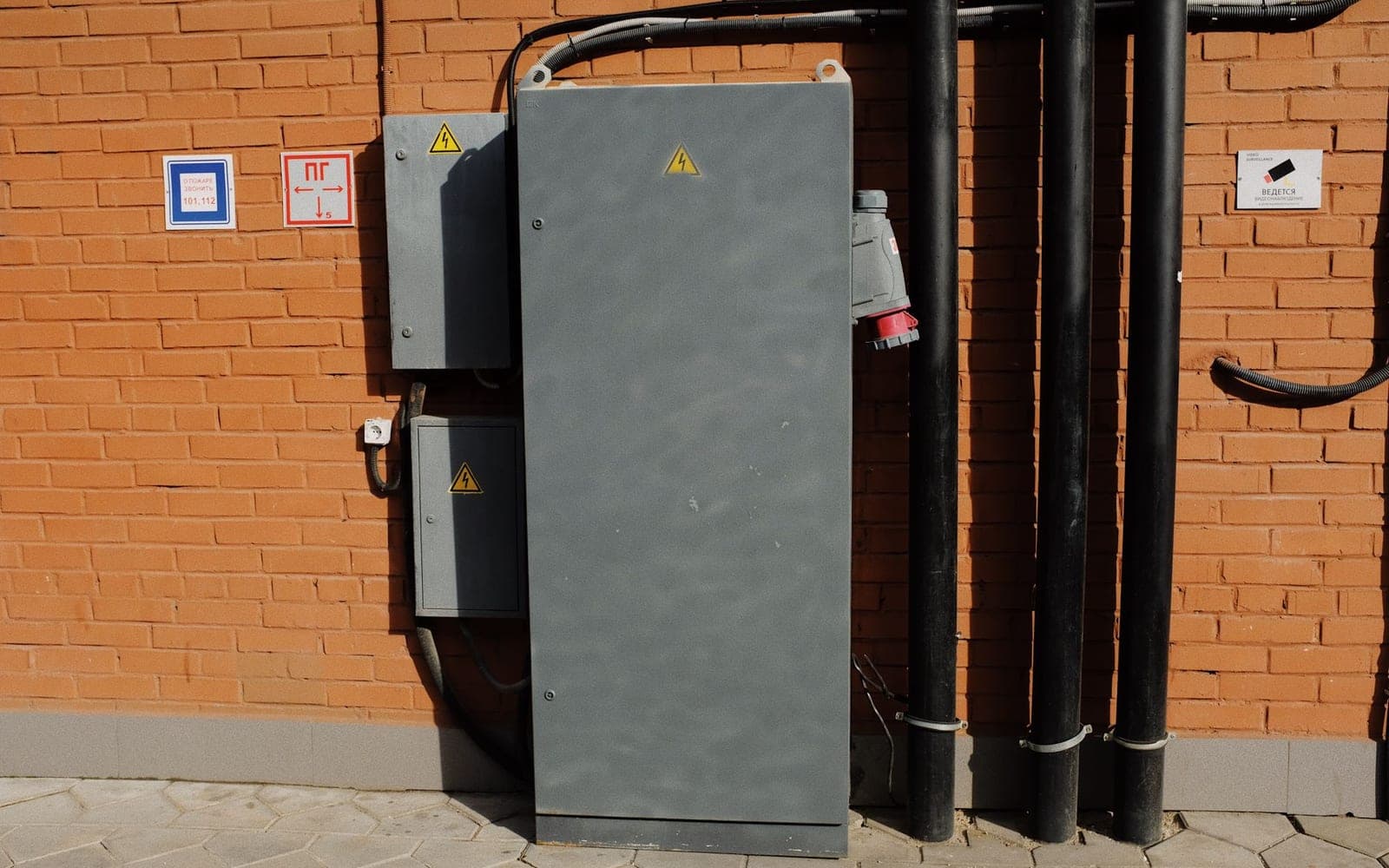
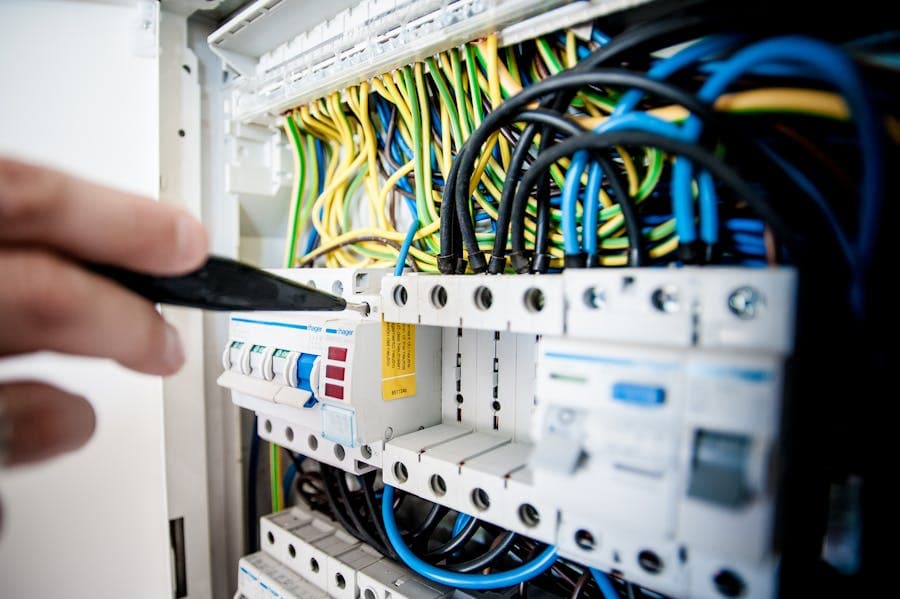
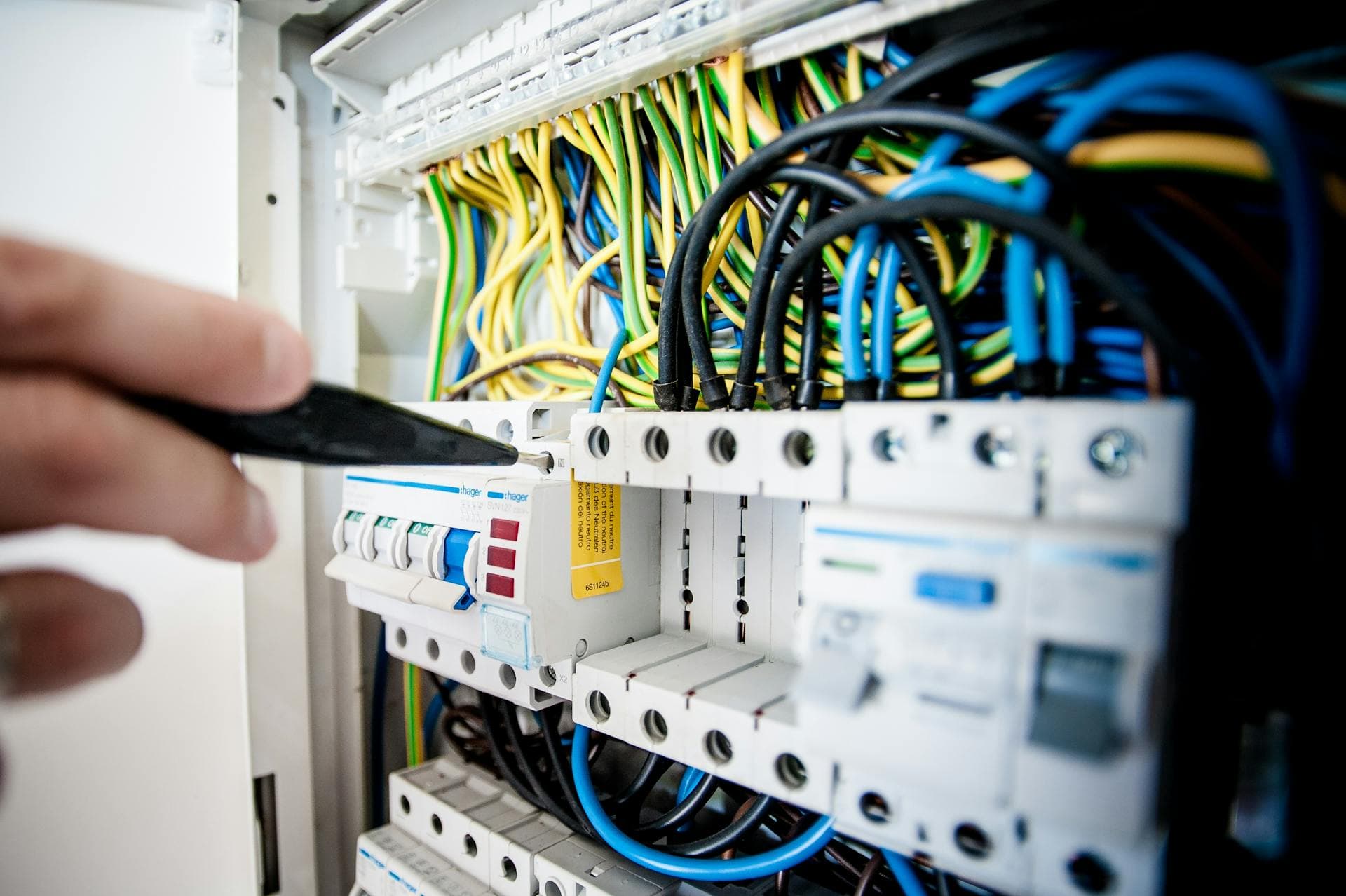
Generator Installation Gallery
Warning
Signs
You've experienced multiple power outages lasting more than 4 hours
If outages are recurring in your area, the question isn't whether you need a generator — it's how much another outage will cost you in spoiled food, hotel stays, and lost productivity.
You have a sump pump protecting a finished basement
A power outage during heavy rain means your sump pump stops, and the rain doesn't. A flooded finished basement is torn-out drywall, ruined flooring, and mold remediation — a far bigger job than the generator that would have prevented it.
Someone in your home depends on medical equipment
CPAP machines, oxygen concentrators, powered wheelchairs, and medication refrigeration all require uninterrupted power. A standby generator provides it automatically.
You work from home and can't afford downtime
Lost work hours during outages add up quickly. A generator keeps your internet, computer, and lights running without interruption.
Your existing portable generator is a hassle
Dragging a portable generator outside, running extension cords, and manually managing which devices get power is inconvenient and limited. A standby unit handles everything automatically.
You keep a full freezer or a second refrigerator
A stocked chest freezer is weeks of groceries. A 24-hour outage without backup means all of it goes in the trash — and it happens again with the next storm, and the one after that.
Maintenance
Tips
Our
Process
Load Calculation & Sizing
We calculate your home's electrical load and determine the right generator size based on what you need powered during an outage. You get a clear recommendation — not an upsell.
Site Planning & Permits
We select the optimal location (setback requirements, noise considerations, fuel access), pour a concrete pad, and pull electrical and gas permits.
Gas Line & Pad Work
A gas line is run from your meter or propane tank to the generator location. The concrete pad is poured and cured. For propane setups, we coordinate tank placement and filling.
Electrical Integration
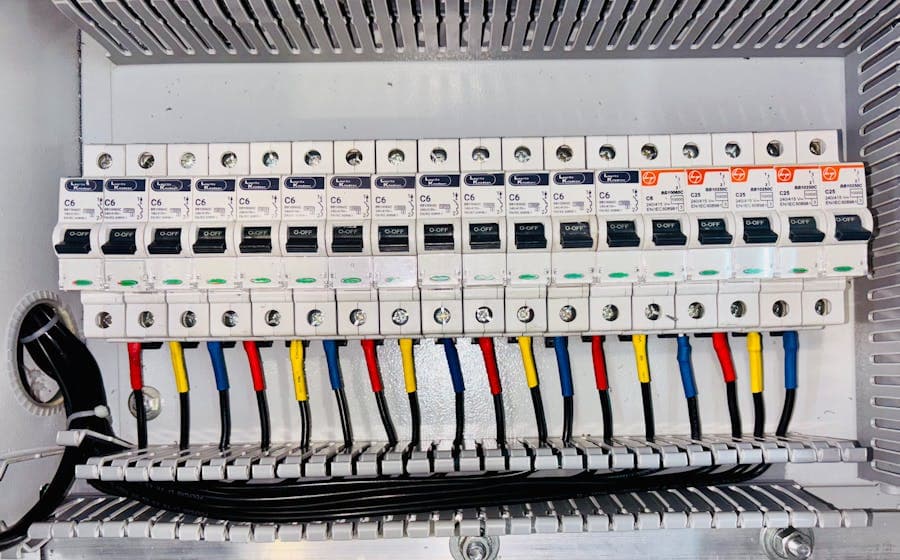
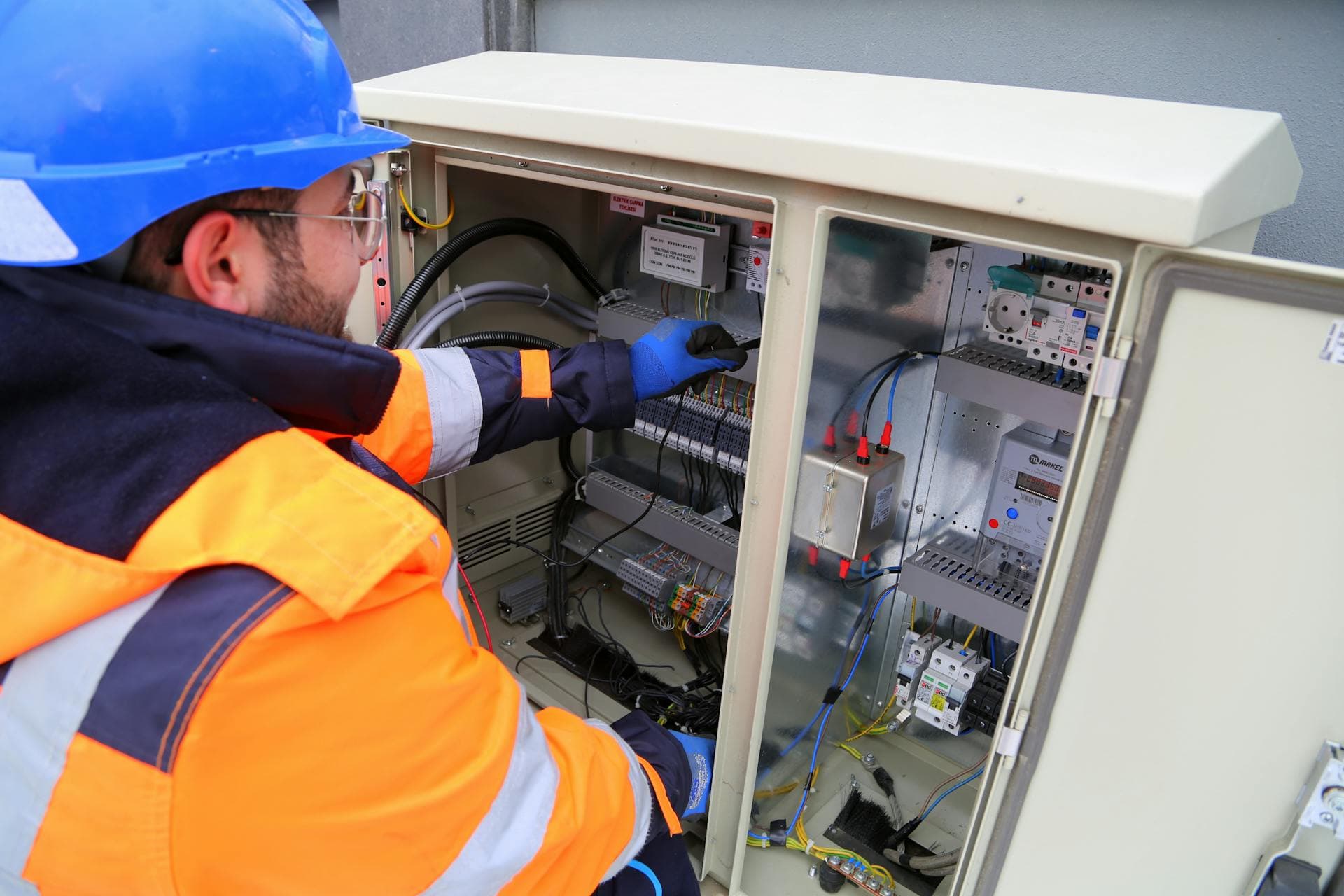
The generator is placed, the automatic transfer switch is installed at your panel, and all wiring connections are made. We program the ATS and set the weekly exercise schedule.
Testing & Walkthrough
We simulate a power outage to verify automatic startup, load transfer, and automatic return when power is restored. You get a full walkthrough of operation, maintenance schedules, and warranty documentation.
What Drives the Number
Prices are estimates for Upstate SC — get a real quote for your project.
FAQ
Explore More
Get Your
Quote
Call us directly or request a quote online. No pressure, no upselling — just honest answers about your generator installation needs.
(864) 304-0139