

Old Wiring Out.
Modern Safety In.
Homes with knob-and-tube or aluminum wiring are ticking clocks. Aluminum wiring makes a home 55 times more likely to develop fire-hazard conditions. RO's licensed electricians replace outdated wiring with modern copper systems — bringing your home up to code, satisfying insurance requirements, and eliminating hidden dangers behind your walls.
Whole-House Rewiring
Guide
What It Is
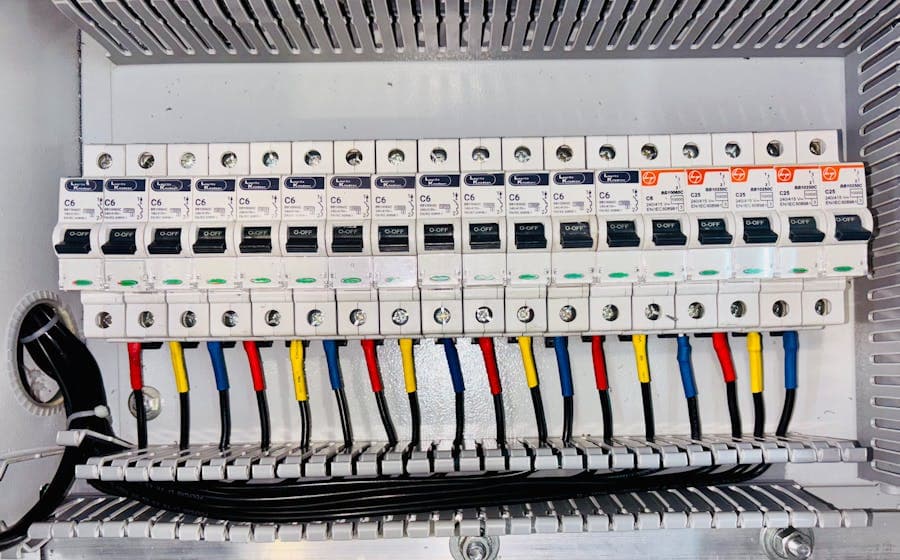
Whole-house rewiring replaces all the electrical wiring hidden inside your walls, attic, and crawlspace. This includes the branch circuit wires running from your panel to every outlet, switch, and fixture in the home. Modern rewiring uses NM-B (Romex) copper cable rated for current loads, with dedicated circuits for high-draw appliances and AFCI/GFCI protection where code requires it.
When It's Necessary
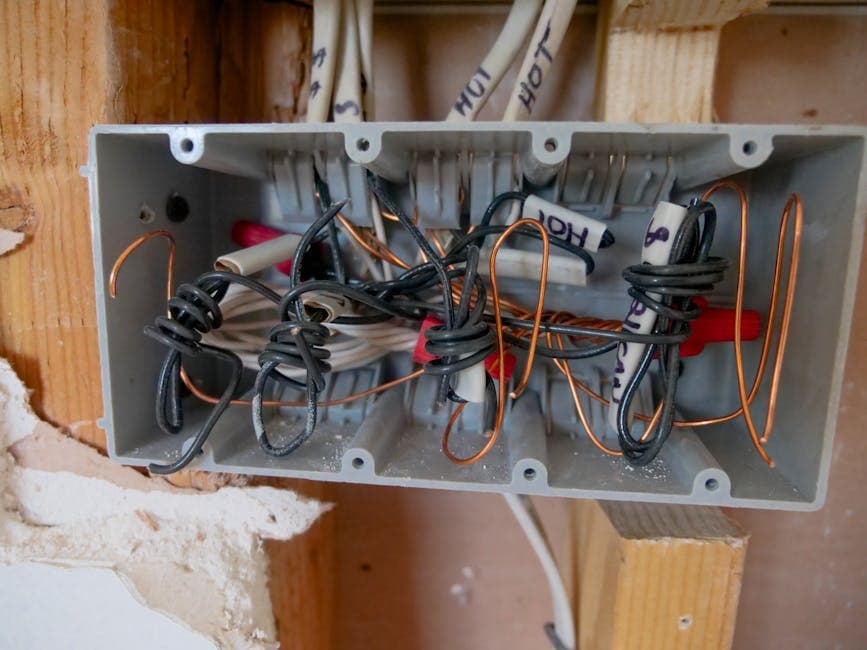
Three scenarios demand rewiring: (1) Your home has knob-and-tube wiring (pre-1940s) — no ground wire, degraded fabric insulation, and no capacity for modern loads. (2) Your home has aluminum branch wiring (1965–1973) — aluminum expands and contracts more than copper, loosening connections and creating hot spots. Homes with aluminum wiring are 55 times more likely to develop fire hazard conditions. (3) Major renovation of any older home — once you open walls, code requires updated wiring.
Scope, Access & Schedule
A rewire is scoped off access, not square footage alone. A house with a walkable attic and a full crawlspace lets us fish most runs without opening walls. A two-story on a slab with finished ceilings means cutting, patching, and painting — and wall repair is a real line item on a rewire, not a rounding error. Circuit count drives it too: every new circuit lands under current AFCI and GFCI rules, and each high-draw appliance gets its own home run. Plaster and lath, balloon framing, blown-in insulation, and knob-and-tube spliced inside walls with no junction boxes all slow the pull down, and you don't know which of those you have until we open the first bay. Plan on 3–7 days for the wiring itself, plus drywall and paint time behind it — we sequence our in-house drywall team so the two phases don't sit waiting on each other. The rough-in inspection has to pass before anything gets closed up, so that inspector visit sits in the middle of your schedule, not at the end — and that inspector works for whatever county or municipality your house sits in. We're licensed in South Carolina, North Carolina, and Georgia and permit the job locally either way, but the office we're dealing with sets the turnaround, so we build their calendar into yours from the start.
Why It Matters Here
Heat and humidity accelerate insulation breakdown in older wiring, and we have plenty of both. Pre-1975 housing stock is everywhere in this part of the country — the older neighborhoods around Greenville and Easley, the mill villages, the mountain cabins over the North Carolina line — and a lot of it is still running its original 50-year-old wire. Beyond safety, insurance companies are increasingly refusing to write policies on homes with knob-and-tube or aluminum wiring. A rewire protects your family, satisfies insurers, and dramatically increases your home's value.
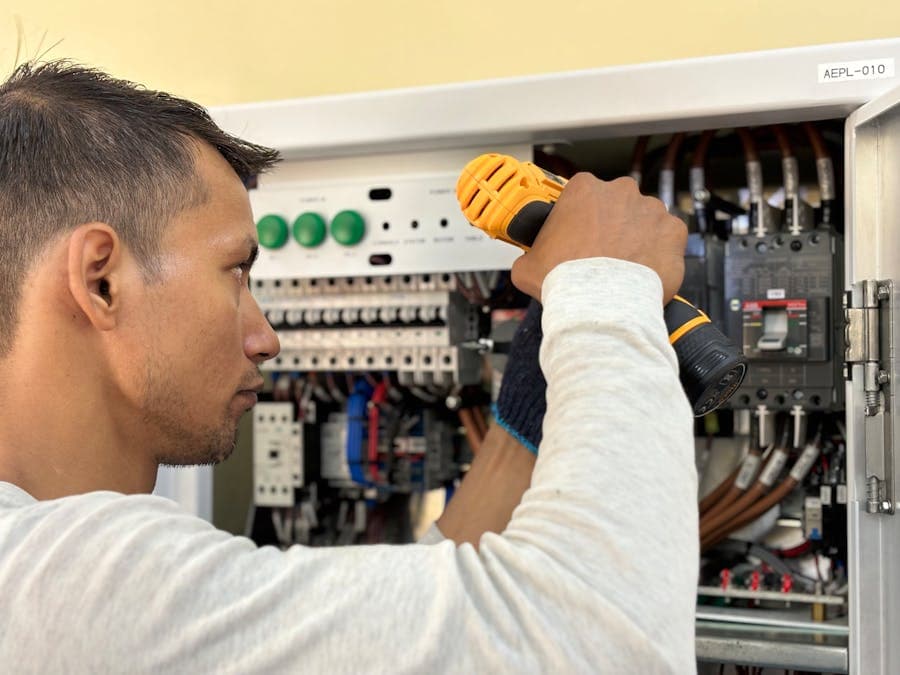
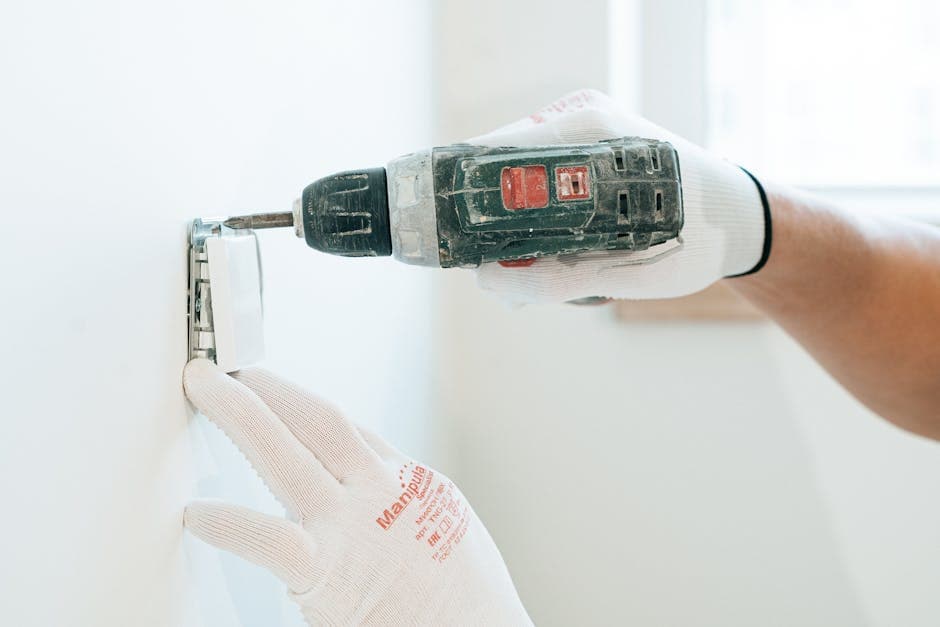
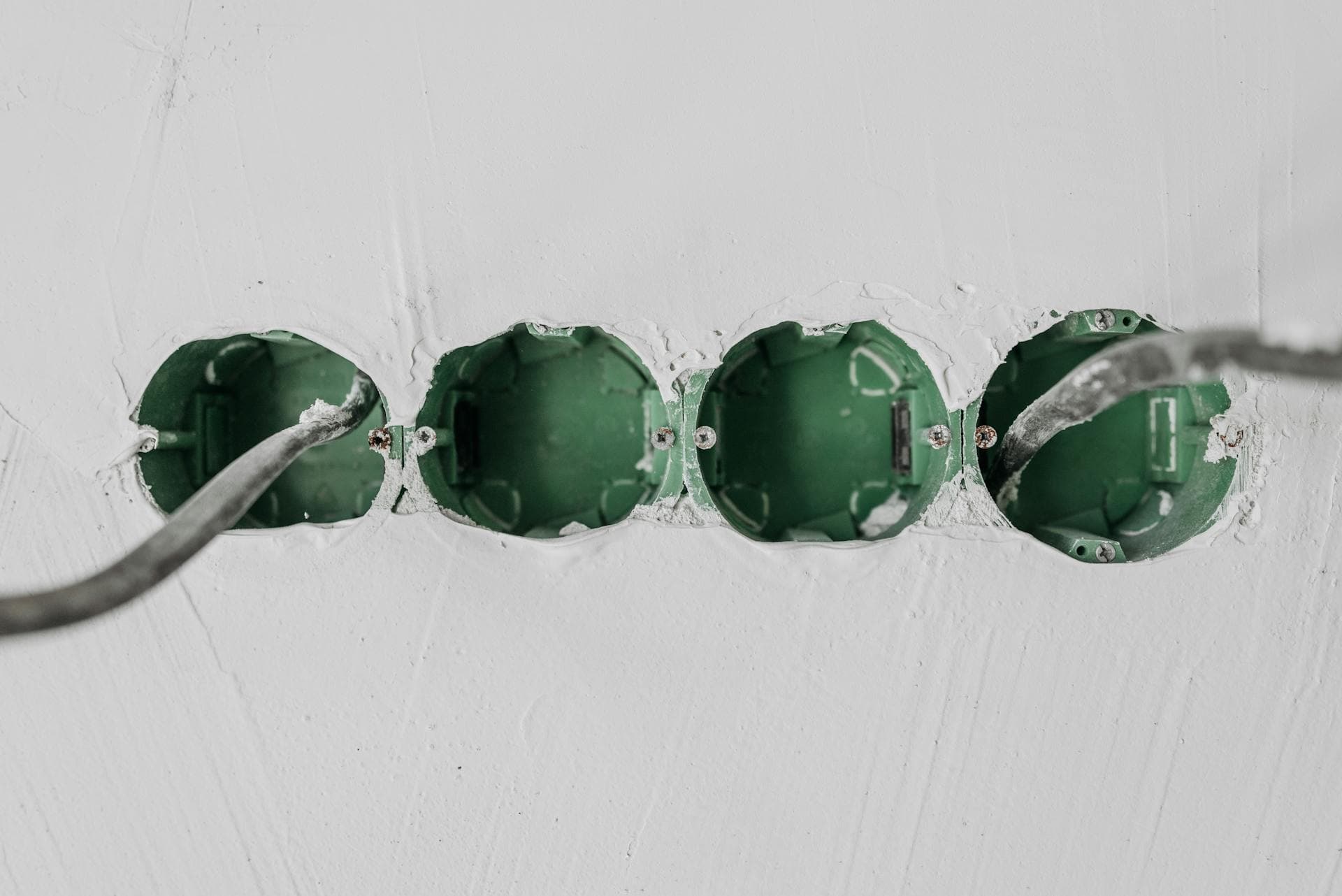
Whole-House Rewiring Gallery

Warning
Signs
Your home was built before 1975 and has never been rewired
Wiring from this era is approaching or past its intended lifespan. Even if it "works," degraded insulation and outdated gauge wire create hidden risks.
Outlets are warm to the touch
Warm outlets indicate high resistance at connections — a hallmark of aluminum wiring oxidation or loose connections behind the wall.
Burning smell from outlets or switches with no visible cause
Insulation is likely melting or connections are arcing behind the wall. This requires immediate investigation.
Two-prong outlets throughout the home
Two-prong outlets mean no ground wire — the home predates grounding requirements. This isn't just inconvenient; it's a shock hazard with any fault.
Insurance company flagged or denied coverage
If your insurer has raised rates or denied coverage due to wiring type, a rewire is the only permanent solution. We provide documentation for your insurer.
Discolored or scorched outlet covers
Browning or scorch marks on outlet plates indicate arcing or excessive heat. Remove the cover plate and look for melted plastic or blackened wires — then call us.
Rodent activity in the attic or crawlspace
Rodents chewing through wire insulation is a leading cause of electrical fires. If you've had pest issues, an electrical inspection should follow the exterminator.
Maintenance
Tips
Our
Process
Whole-Home Assessment
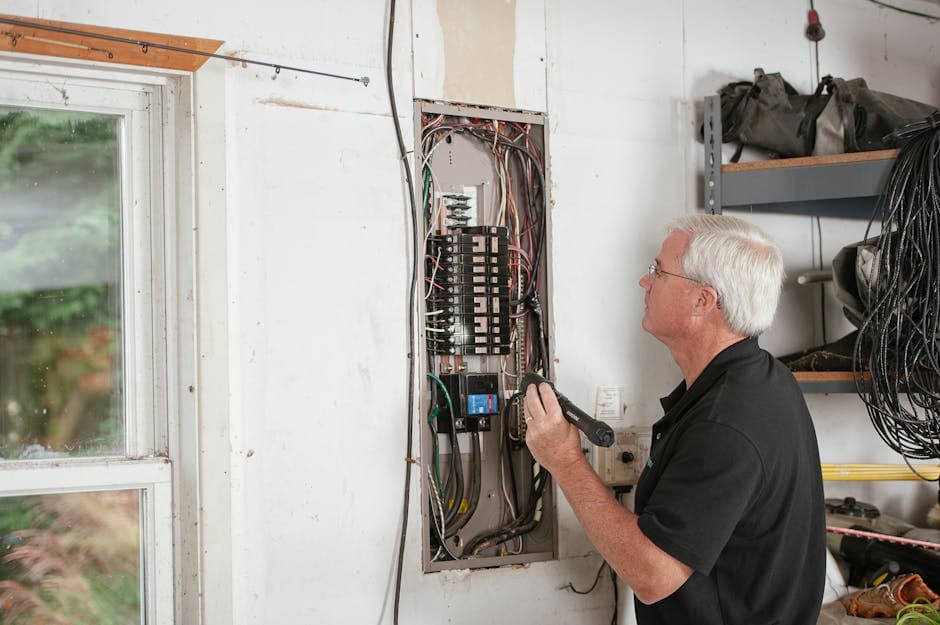
We inspect every accessible wiring run — panel, attic, crawlspace, and accessible junction boxes. We identify wiring type, age, condition, and map the existing circuit layout.
Plan & Permit
We design the new circuit layout with dedicated circuits for high-draw appliances, proper AFCI/GFCI protection, and capacity for future additions. Permits are pulled and utility coordination begins.
Wiring Installation
New copper wiring is pulled through walls, attic, and crawlspace — using existing pathways where possible to minimize wall openings. Old wiring is disconnected and removed where accessible.
Panel Connection & Testing
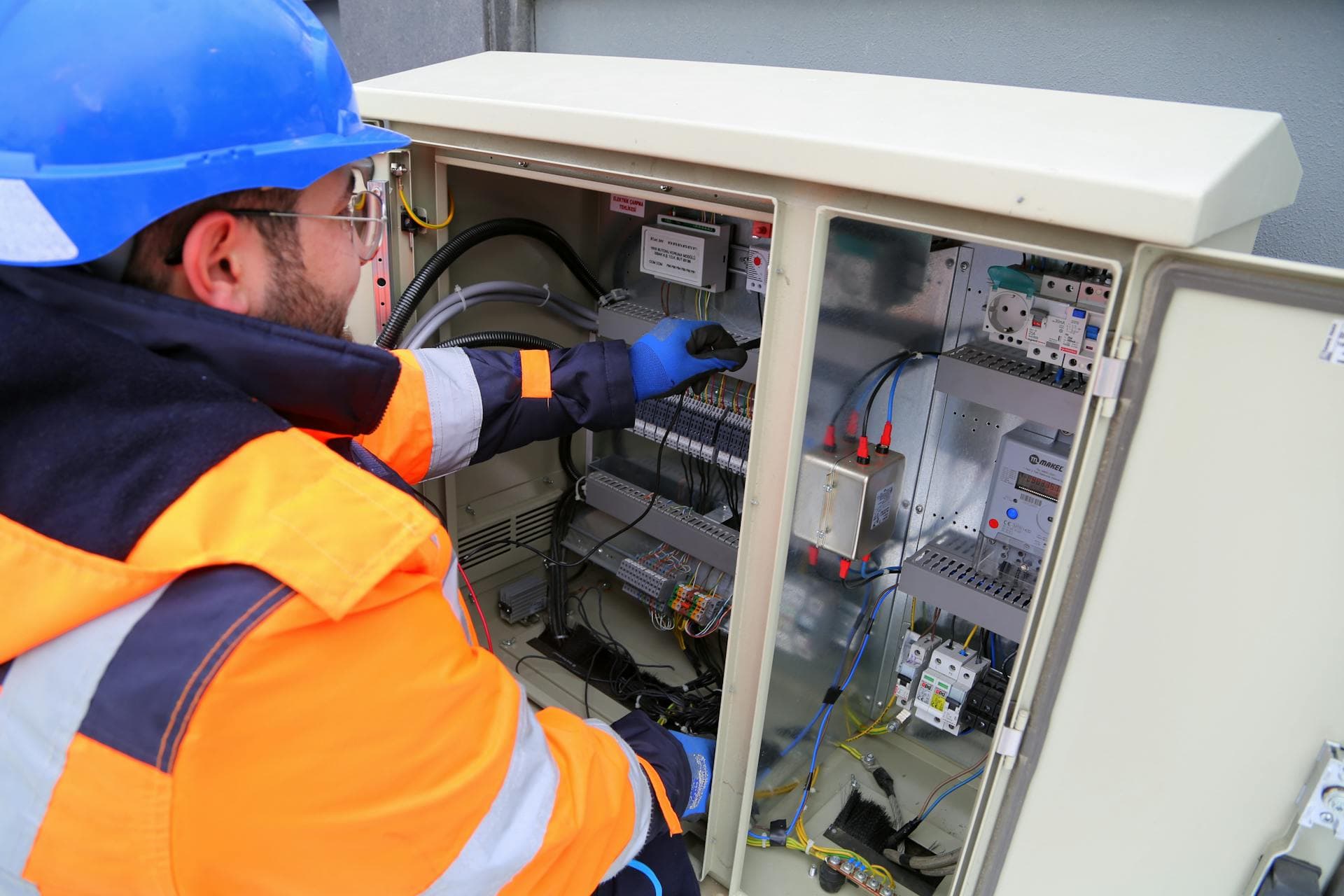
All new circuits terminate at the upgraded panel. Every circuit is tested for continuity, proper grounding, and correct voltage. AFCI and GFCI protection is verified.
Wall Repair & Inspection
Any wall openings are patched and finished by our drywall team. The final electrical inspection verifies code compliance. You receive documentation of the entire rewire for insurance and resale.
What Drives the Number
Prices are estimates for Upstate SC — get a real quote for your project.
FAQ
Explore More
Get Your
Quote
Call us directly or request a quote online. No pressure, no upselling — just honest answers about your whole-house rewiring needs.
(864) 304-0139