
Protect Everything Plugged
Into Your Home
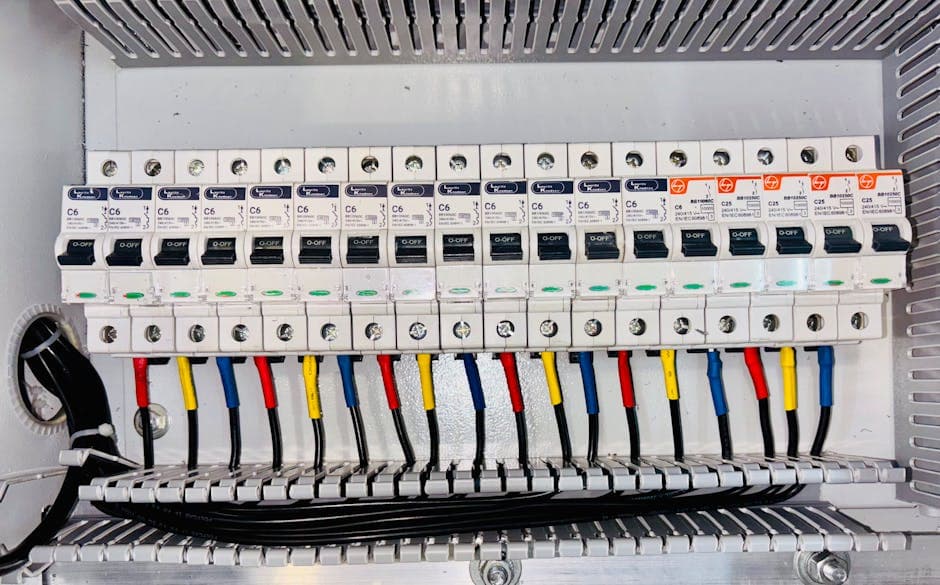
A single lightning strike delivers up to 300 million volts, and thunderstorms roll across these foothills most afternoons in July and August. Your home also takes 20+ smaller surges every day from appliance cycling alone. RO installs whole-house surge protectors, GFCI/AFCI protection, smoke and CO detectors, and performs comprehensive electrical safety inspections. Protection you can't see — until you need it.
Surge Protection & Safety
Guide
Whole-House Surge Protection
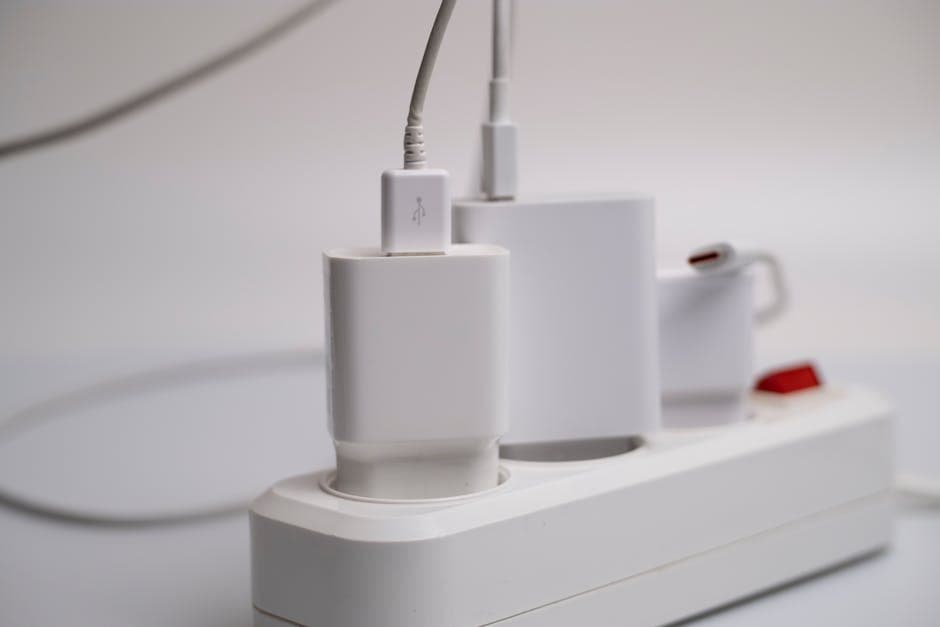
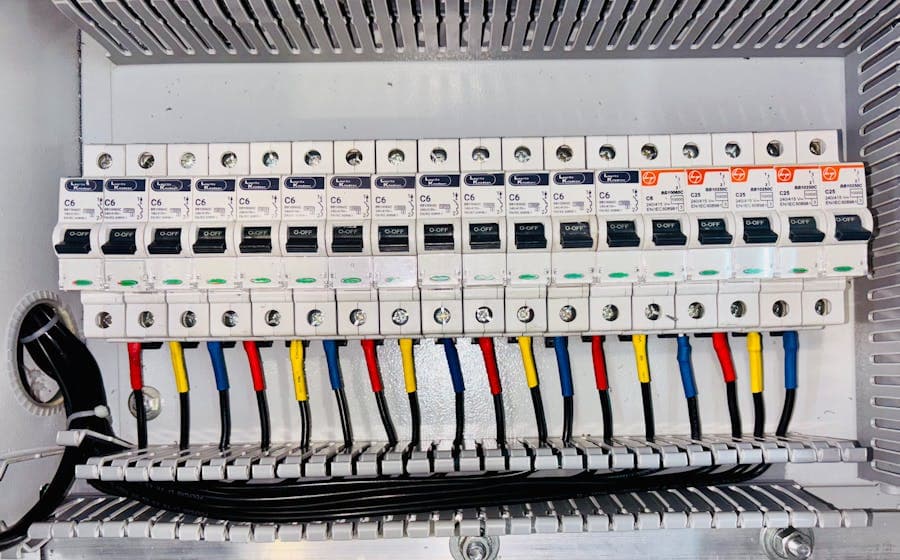
A whole-house surge protector installs at your main electrical panel and absorbs voltage spikes before they reach your devices. A Type 2 device — the standard residential option — stops both external surges (lightning, utility switching) and internal ones (AC compressor cycling, motor startup), and those internal spikes are the ones quietly shortening the life of your electronics day after day. The install is short and the variables are few: whether your panel has a free two-pole breaker slot or the device has to go in a box beside the enclosure, and whether your grounding and bonding are actually intact, because a surge protector is only as good as its path to ground. It is the smallest device in the panel standing in front of the most equipment in the house.
GFCI & AFCI Protection
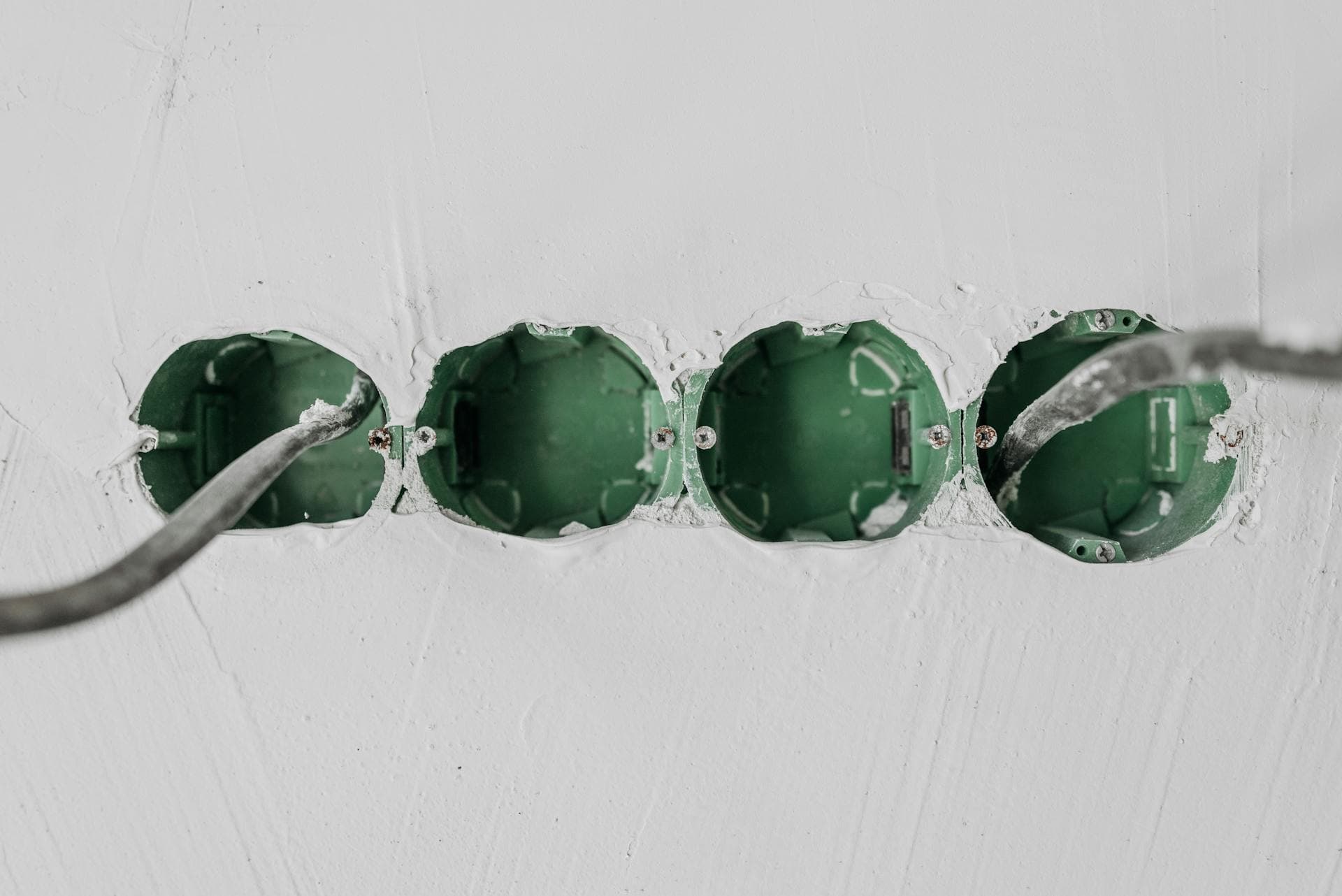
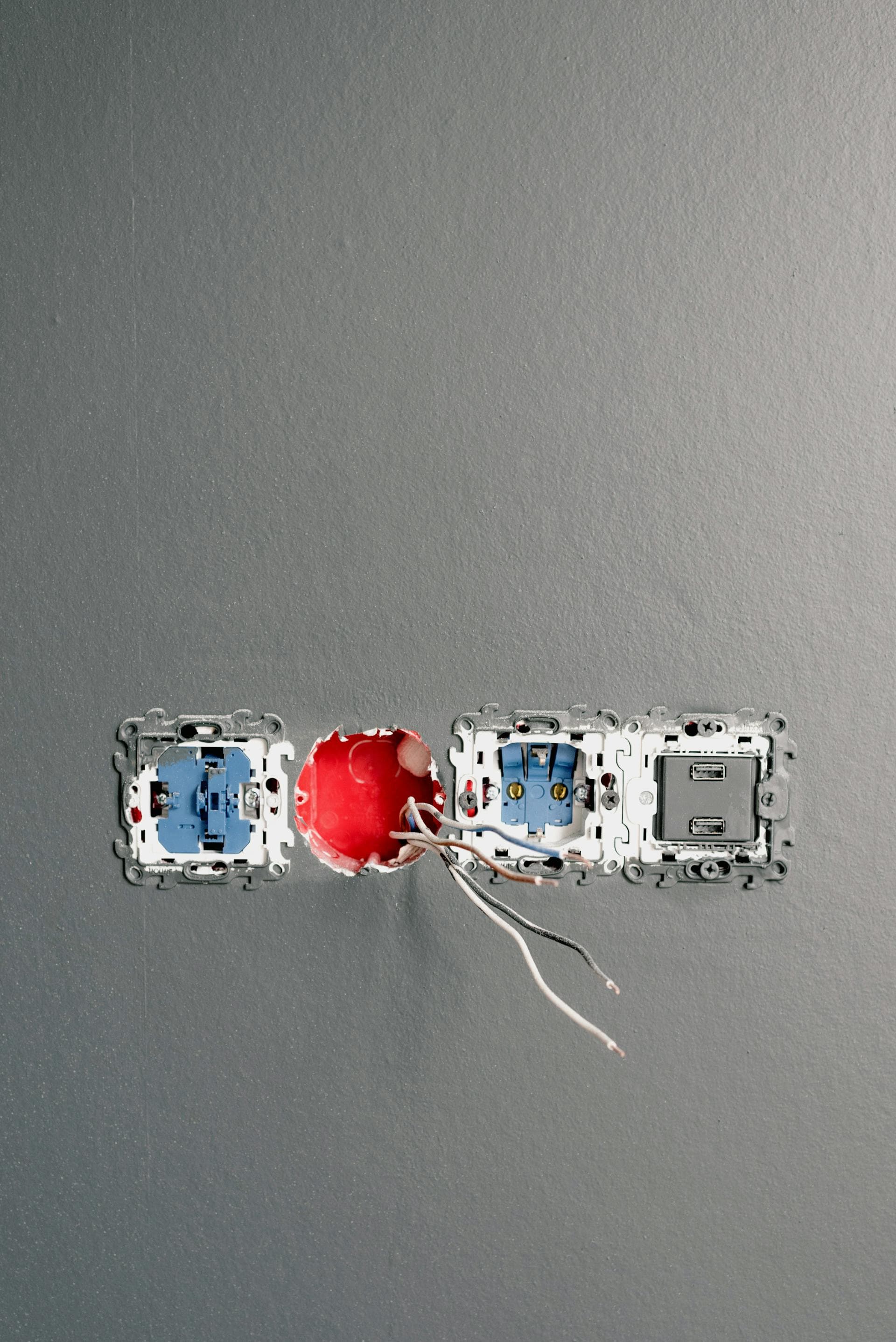
GFCI (Ground-Fault Circuit Interrupter) outlets detect current leaking to ground — the kind that happens when electricity flows through you. Required by code near water: bathrooms, kitchens, garages, exteriors, laundry rooms. AFCI (Arc-Fault Circuit Interrupter) breakers detect dangerous arcing in wires — the sparking that causes electrical fires. Current NEC code requires AFCI protection in virtually every living space. Both are small devices with outsized consequences — and worth knowing before you plan any electrical work: once you touch a circuit under permit, code brings them along whether you budgeted for them or not. That is the single most common surprise on an otherwise simple job. Which NEC edition you're held to is the part people miss. South Carolina, North Carolina, and Georgia each adopt and amend the code on their own schedule, so the exact locations that require GFCI or AFCI can differ across a state line. We're licensed in all three and we check what your inspector is actually enforcing before we write the scope.
Smoke & CO Detection
Interconnected hardwired smoke detectors (when one triggers, all alarm) are code-required in all bedrooms and hallways. Carbon monoxide detectors are required on every level of a home with gas appliances, fireplaces, or attached garages. We install combination smoke/CO units with 10-year sealed batteries and hardwired interconnection — the highest level of life-safety detection available for residential homes.
Electrical Safety Inspections
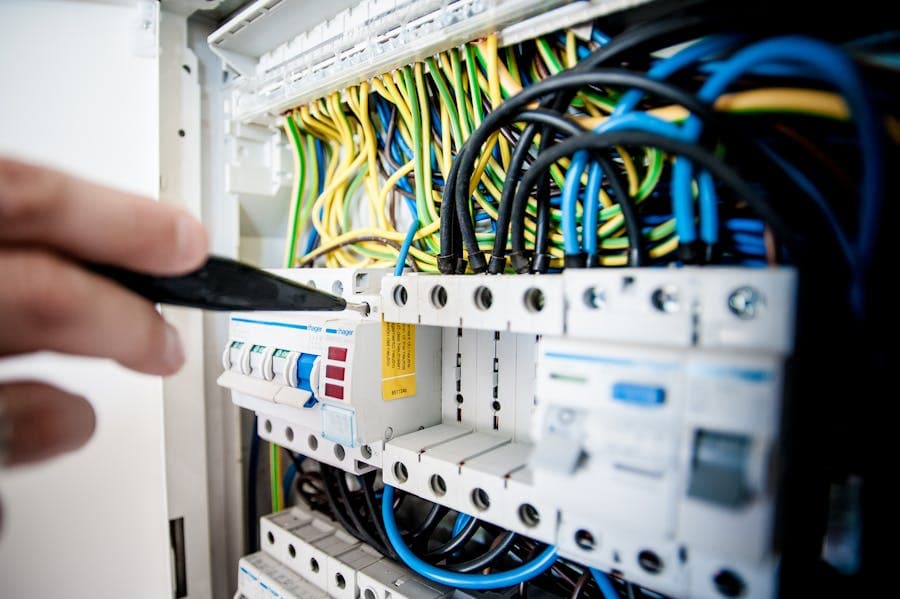
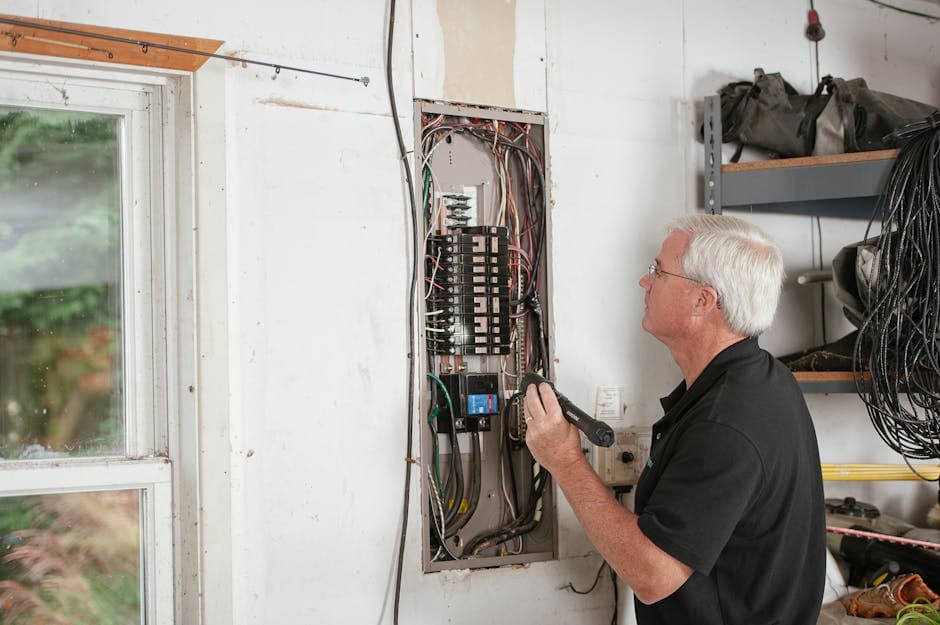
A comprehensive electrical inspection checks your panel condition, wiring type and age, grounding system, GFCI/AFCI protection, smoke detector placement, outlet and switch condition, and code compliance. Recommended every 3–5 years for general maintenance, immediately when buying or selling a home, and before any major renovation. It runs a couple of hours on site and ends in a written report. Scope moves with home size, how many panels and subpanels there are, and how much of the wiring is actually reachable — a full crawlspace and a walkable attic tell us a great deal more than a slab with finished ceilings. It is also the one item on this page that reliably tells you which of the others you actually need.
Surge Protection & Safety Gallery
Warning
Signs
You've had electronics fail after a storm
Even nearby lightning can send surges through your wiring. If you've lost a TV, router, or appliance after a storm, your home lacks surge protection at the panel level.
Your GFCI outlets don't trip when you press "Test"
A GFCI that doesn't trip on its test button is no longer providing shock protection. It needs immediate replacement — this is a safety-critical device.
You have no GFCI outlets in bathrooms or the kitchen
Homes built before the 1970s–1990s (depending on the area) may lack GFCI protection entirely. This is one of the most important safety upgrades for older homes.
Your smoke detectors are more than 10 years old
Smoke detectors have a 10-year lifespan regardless of battery condition. The sensor degrades over time and becomes less responsive. Check the manufacture date on the back.
You hear your breakers buzzing or clicking
Audible noise from breakers indicates arcing, loose connections, or failing components. This is a fire hazard — have it inspected immediately.
Tingling sensation when touching appliances or switches
Any electrical tingling means current is flowing where it shouldn't. This is a ground fault that GFCI protection would catch. Stop using the fixture and call immediately.
You've never had an electrical inspection
If your home is more than 20 years old and has never been inspected, hidden issues — degraded wiring, failed grounding, non-functional safety devices — may be present.
Maintenance
Tips
Our
Process
Safety Assessment
We inspect your panel, grounding, GFCI/AFCI coverage, smoke/CO detectors, and overall wiring condition. You receive a detailed report with findings and prioritized recommendations.
Surge Protector Installation
A whole-house Type 2 surge protector is installed directly at your main panel. For homes with sensitive equipment (home offices, media rooms), we add Type 3 point-of-use devices at critical locations.
GFCI & AFCI Upgrades
We install GFCI outlets at every code-required location and AFCI breakers for living-space circuits. Older homes typically need 4–8 GFCI outlets and several AFCI breakers to meet current code.
Smoke & CO Detector Install
Hardwired, interconnected smoke/CO combination detectors are installed in every bedroom, hallway, and level of the home. All units are tested for interconnection — when one triggers, every detector in the home sounds.
Documentation & Walkthrough
You receive a complete inspection report, warranty documentation for installed devices, and a walkthrough of testing procedures. We show you where every safety device is and how to test it yourself.
What Drives the Number
Prices are estimates for Upstate SC — get a real quote for your project.
FAQ
Explore More
Get Your
Quote
Call us directly or request a quote online. No pressure, no upselling — just honest answers about your surge protection & safety needs.
(864) 304-0139