
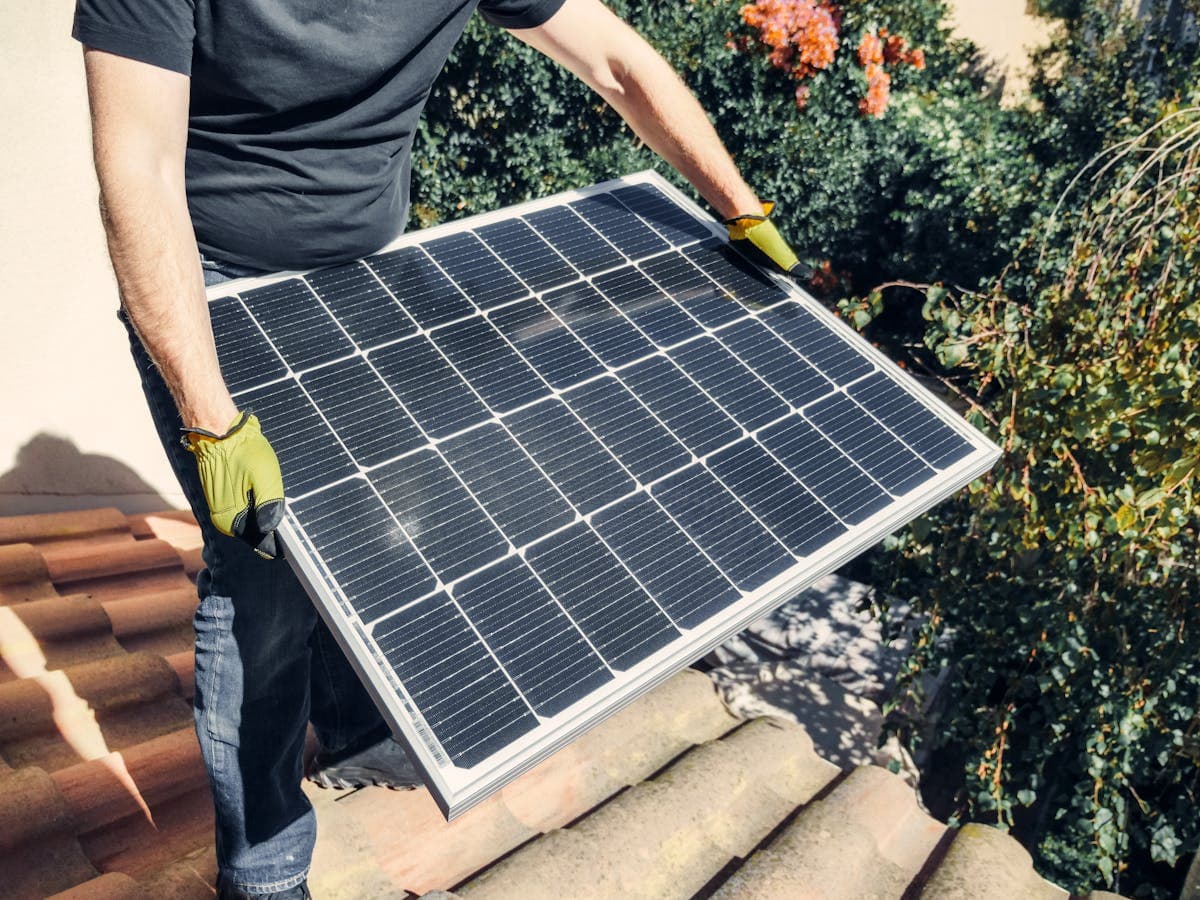
Generate Your Own Power.
Store It. Own It.
Solar panels cut your electric bill. Battery storage keeps your power on when the grid fails. Together, they're the most significant upgrade you can make to your home's energy independence. RO installs complete solar-plus-storage systems — Tesla Powerwall, Enphase, and Generac PWRcell — with licensed electrical integration from panel to rooftop.
Solar & Battery Storage
Guide
Solar Basics
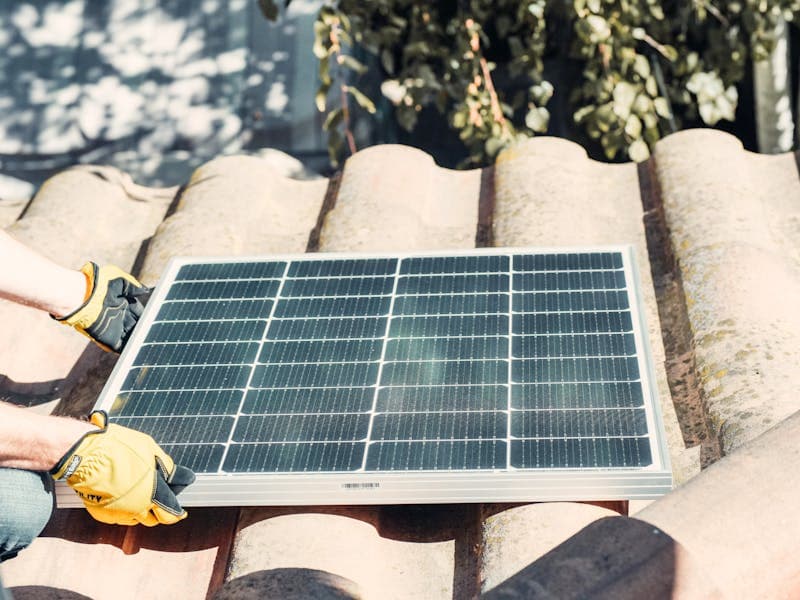
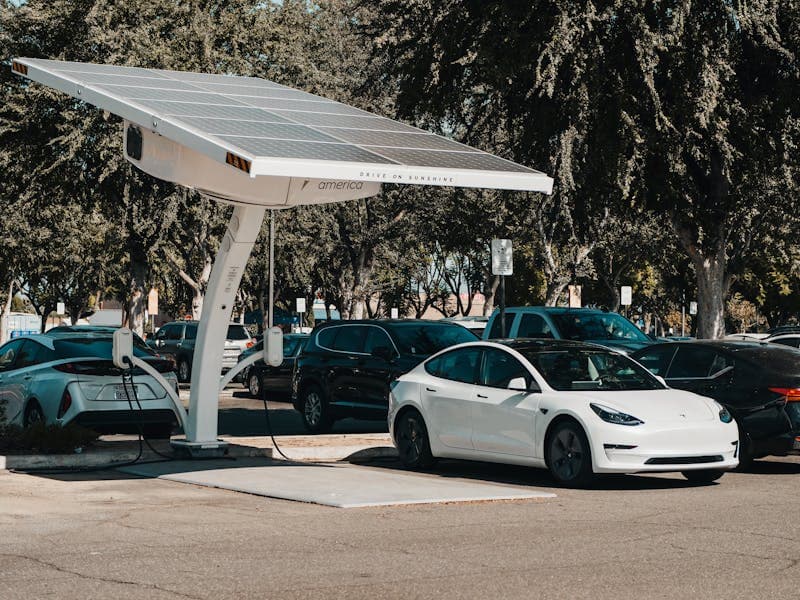
Residential solar panels convert sunlight into electricity that powers your home in real-time and feeds excess back to the grid for credit (net metering). A typical 7–10 kW system covers most of an average home's electricity needs. Panels are mounted on your roof or ground-mounted in your yard, connected through an inverter that converts DC power to usable AC. Modern panels are warrantied for 25 years with an expected lifespan of 30+.
Battery Storage
A home battery stores excess solar energy (or off-peak grid power) and releases it when you need it — at night, during peak rate hours, or during power outages. The Tesla Powerwall 3 is the market leader: 13.5 kWh capacity, 11.5 kW continuous output, 97.5% efficiency, and a built-in solar inverter. Alternatives include the Enphase IQ 5P (modular, 15-year warranty) and Generac PWRcell 2 (best generator integration). One battery typically covers 8–12 hours of essential loads during an outage.
Payback & What Moves It
System size sets the base, and size comes off twelve months of your actual bills — not a rule of thumb per square foot. From there the roof drives it: pitch, orientation, how many separate roof planes the array has to be split across, shading from trees you are not going to cut down, and whether the decking and shingles have enough life left to carry a 25-year array. Putting panels on a roof with five years in it means paying to pull them and reset them later, so roof age is a scheduling decision as much as a cost one. On the electrical side: distance from the array to the panel, and whether your main panel can take the backfeed breaker or needs a line-side tap. Adding a battery brings its own inverter, transfer gear, and a decision about which circuits stay live in an outage. Payback across the three states we work in generally lands in the 7–10 year range against a 25-year panel warranty — the years after payback are the return. Schedule is mostly paperwork: permits, HOA approval where it applies, and the utility interconnection application, then the meter swap and Permission to Operate. Interconnection rules belong to your utility, not to us, and Duke, Dominion, the co-ops, and Georgia Power each run their own process and their own queue. The utility side routinely takes longer than the installation does.
Why It Matters Here
This corner of the Southeast gets the sun for it — 210-plus clear days a year is typical across South Carolina, western North Carolina, and northeast Georgia. What differs is the program on the other end of the meter. In South Carolina, Duke Energy and Dominion run the net-metering and successor tariffs; North Carolina and Georgia set their own terms, and what you get credited for an exported kilowatt-hour is not the same number in each. We tell you which program your address actually falls under before we size anything, because that credit rate is what the payback math runs on. Strong sun, reasonable rates, and the incentives still on the table make solar-plus-storage one of the better long-term plays here — and the battery carries you through storm season on top of the savings.
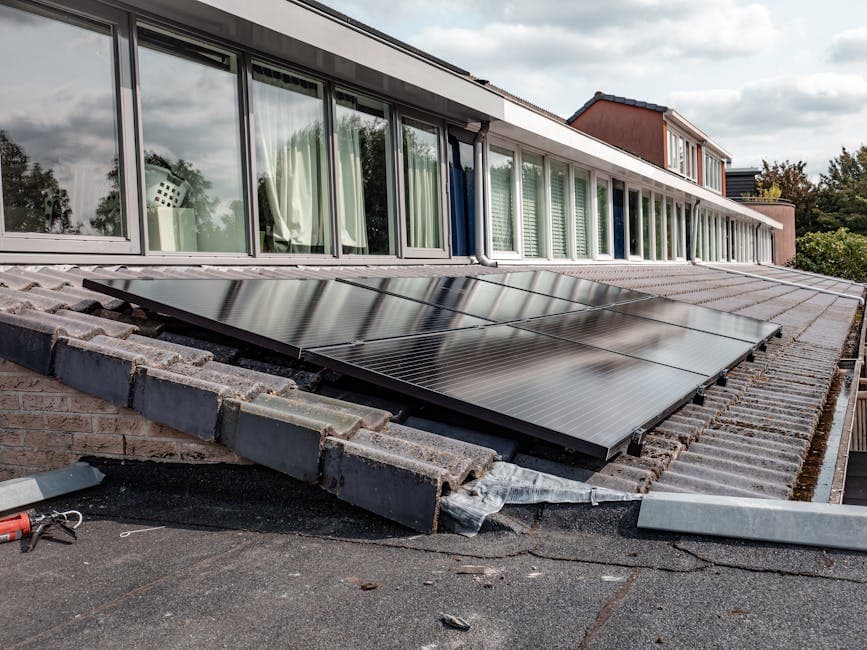
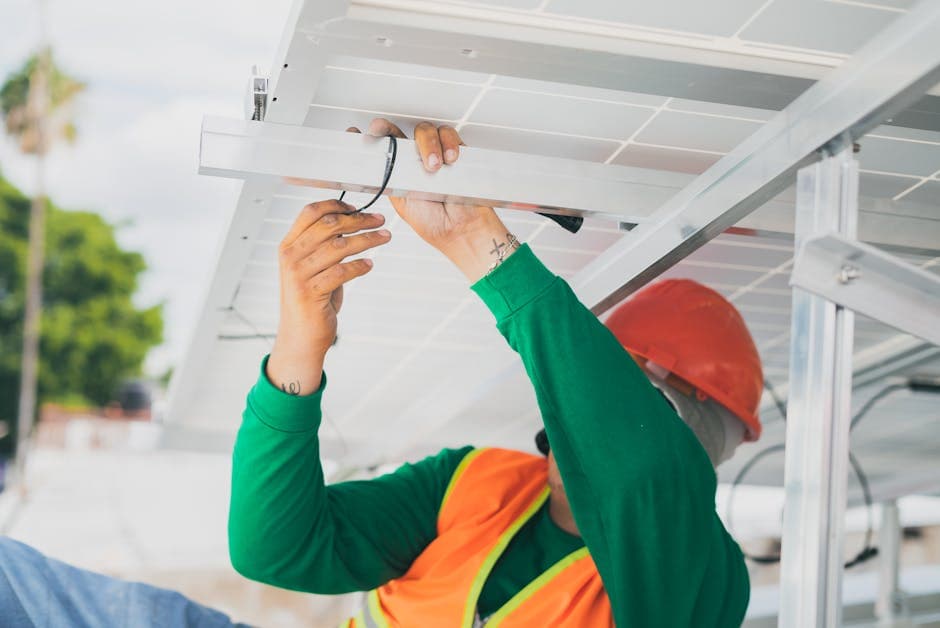
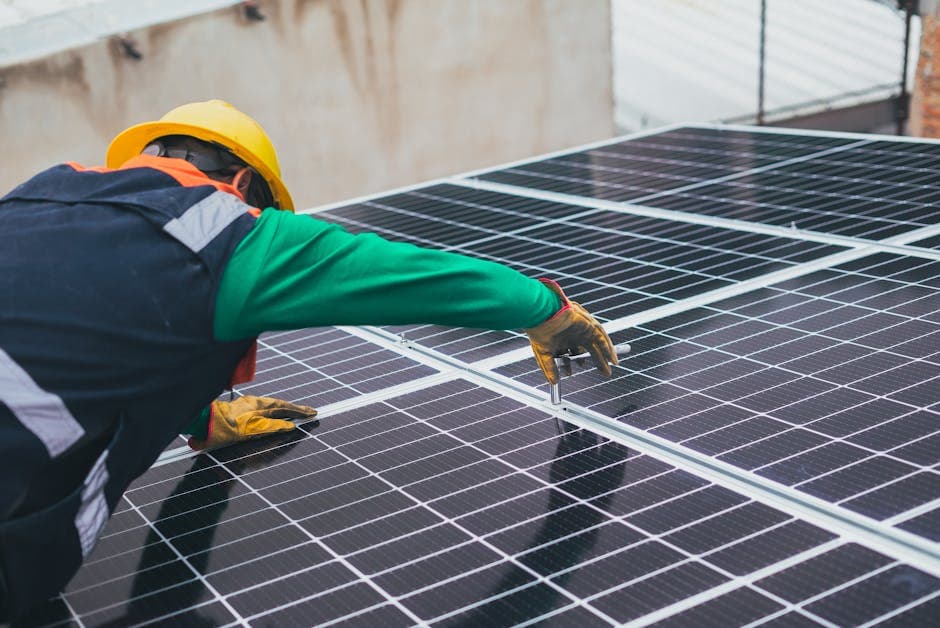
Solar & Battery Storage Gallery
Warning
Signs
Your electric bill runs high every month, summer and winter both
Consistently high usage is the clearest signal that solar pencils out, because the array is sized against what you actually consume. A properly sized system can eliminate 70–100% of your electric bill.
You've experienced multiple power outages in the past year
Solar alone doesn't help during outages (grid-tied systems shut off for safety). But solar + battery storage gives you independent backup power — automatically.
Your roof is 5–15 years old and in good condition
The ideal time to add solar is when your roof has 15–20 years of life remaining. Installing solar on a roof that needs replacement soon means you'll pay to remove and reinstall panels.
You're planning to stay in your home for 7+ years
Solar payback periods average 7–10 years. If you plan to stay long-term, the return is substantial. Even if you sell, an owned, paid-off system is documented value on the listing — studies consistently show a resale premium over comparable homes without one. A leased system is a different conversation; it transfers to the buyer and not every buyer wants it.
You want energy independence from the utility
A solar-plus-storage system with enough capacity can operate independently of the grid during outages. For some homeowners, reducing dependence on the utility is reason enough.
Your utility rates keep increasing
Retail electricity rates across the region have climbed 15–25% over the past decade. Solar locks in your cost of electricity at installation — immune to future rate hikes for the life of the system.
Maintenance
Tips
Our
Process
Energy Audit & System Design
We analyze your electricity usage (12 months of bills), assess your roof orientation and condition, measure available sun exposure, and design a system sized to your actual consumption. No cookie-cutter templates.
Permitting & Utility Application
We handle all permits, HOA approvals (if applicable), and the utility interconnection application. This paperwork is the most time-consuming part — we do it so you don't have to.
Roof Mounting & Panel Installation
Racking is installed on your roof with engineered attachment points. Panels are mounted, wired in series/parallel strings, and routed to the inverter location. All penetrations are sealed and flashed to prevent leaks.
Battery & Inverter Integration
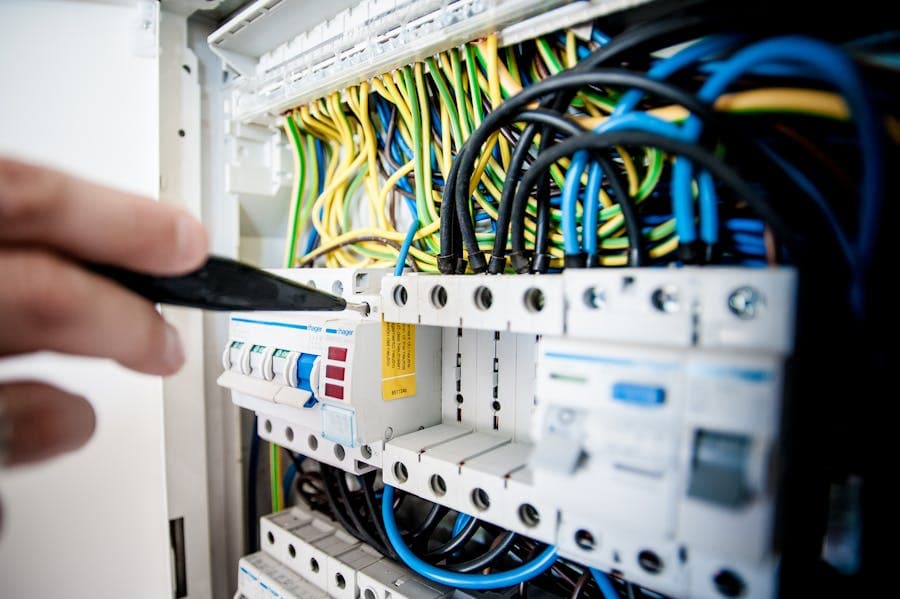
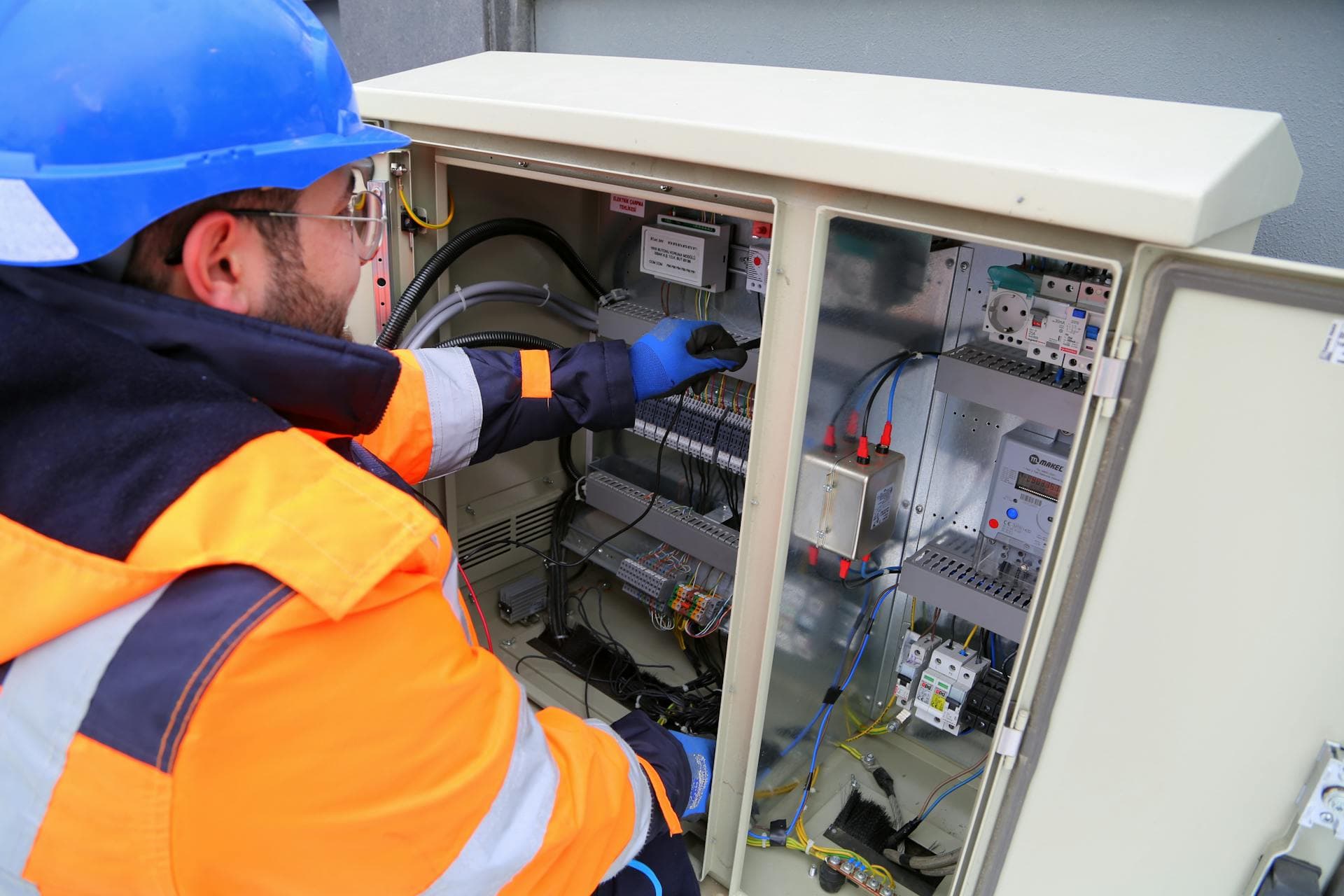
The battery and inverter (or hybrid inverter like Powerwall 3's built-in) are installed and connected to your electrical panel. Backup circuits are configured — you choose which loads stay on during outages.
Inspection & Activation
Final electrical inspection, utility meter swap (for net metering), and Permission to Operate (PTO) from your utility. We activate monitoring, walk you through the app, and explain your production and backup capabilities.
What Drives the Number
Prices are estimates for Upstate SC — get a real quote for your project.
FAQ
Explore More
Get Your
Quote
Call us directly or request a quote online. No pressure, no upselling — just honest answers about your solar & battery storage needs.
(864) 304-0139