
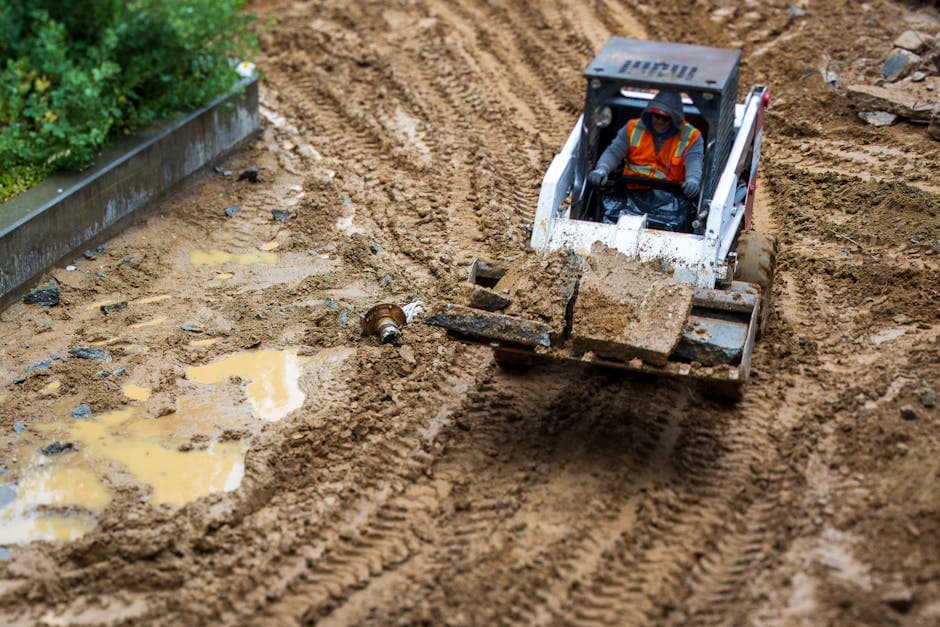
Fix the Most Expensive Part of Your
System — Before You Replace It
Drain fields are the most expensive, most fragile, and most commonly failed component of a septic system. Once a field floods, smells, or stops absorbing, many installers jump straight to "you need a replacement." RO diagnoses root causes — compaction, root invasion, biomat buildup, failed baffles upstream — and restores function where possible instead of tearing it all out.
Drain Field Repair
Guide
What It Is
A drain field (leach field, absorption field) is a series of perforated pipes laid in gravel trenches that distribute effluent from the tank into the soil for final treatment. Repair covers everything from replacing the distribution box (D-box), to jetting clogged lines, to rehabilitating compacted soil, to replacing a single failed trench. Full replacement is the last resort, not the first.
When You Need It
Signs of drain field trouble: standing water over the field, septic odors outside, toilets backing up despite recent tank pumping, drains throughout the house running slow simultaneously, or unusually lush green grass only over the field. Once you see these, repair is time-critical — the field has already started failing and continued use accelerates the damage.
Cost Drivers
The diagnosis decides this one, not the size of your yard. Clearing a cracked D-box or jetting biomat and roots out of the laterals is a hose, a machine, and a day. Rebuilding a trench means excavation, hauling out saturated gravel, new pipe and stone, and a permit in hand before anyone digs. Full rehabilitation — aerating soil, replacing gravel and fabric across the field — is days of equipment and a lot of material moved twice. Access is its own line: a field behind a fence, down a slope, or on the far side of a septic-safe route the truck can't take adds hours before a single repair happens. Repairs run 1–4 days. Full replacement is 5–10 days and restarts the permit clock. Our diagnosis tells you which path you're on before you commit to anything.
Why It Matters Here
Piedmont clay is marginal for drain fields even when the design is perfect, and it's what our crews dig in on nearly every job — the same red clay whether the address is in Pickens County, across the Georgia line, or up in the Carolina foothills. Once it's compacted by construction traffic, landscaping equipment, or vehicles, clay loses most of its absorption capacity. We see fields written off as "failed" when the real problem was a clogged effluent filter upstream or a cracked D-box. Fixing the actual cause is a service call and a part. Replacing the field is a permit, a soil retest, and heavy equipment across your yard for a week — so it's worth finding out which one you have.
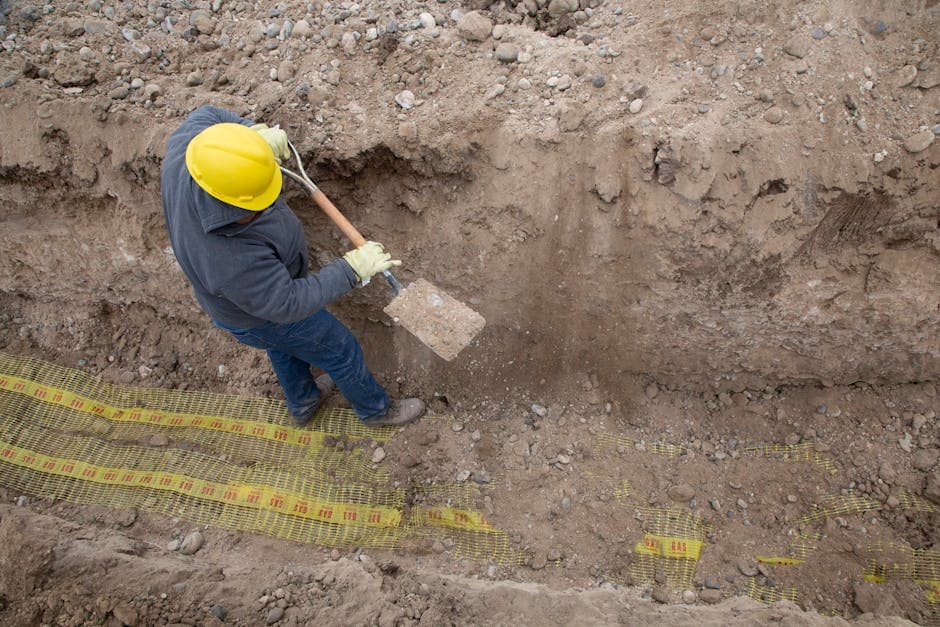
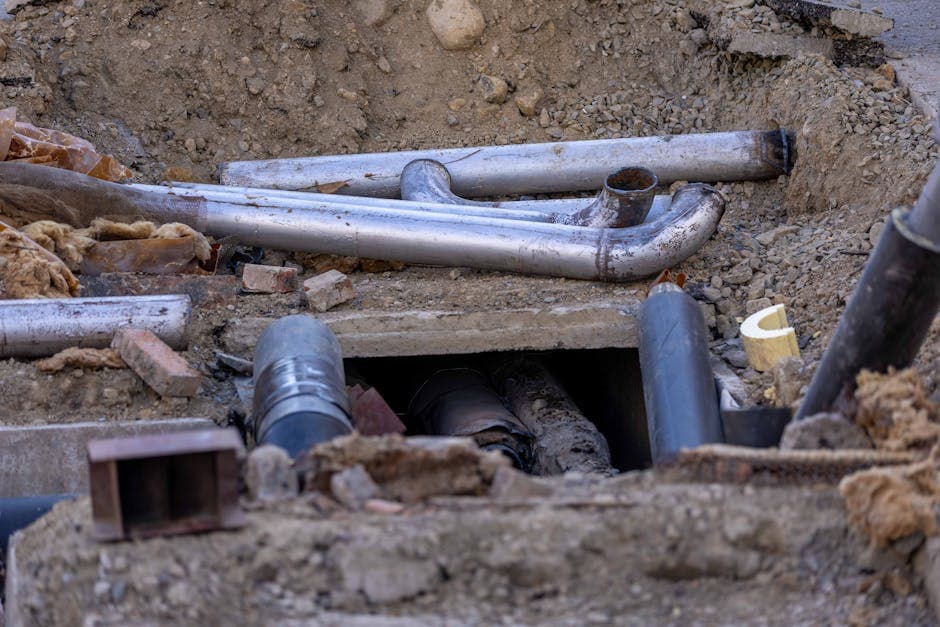
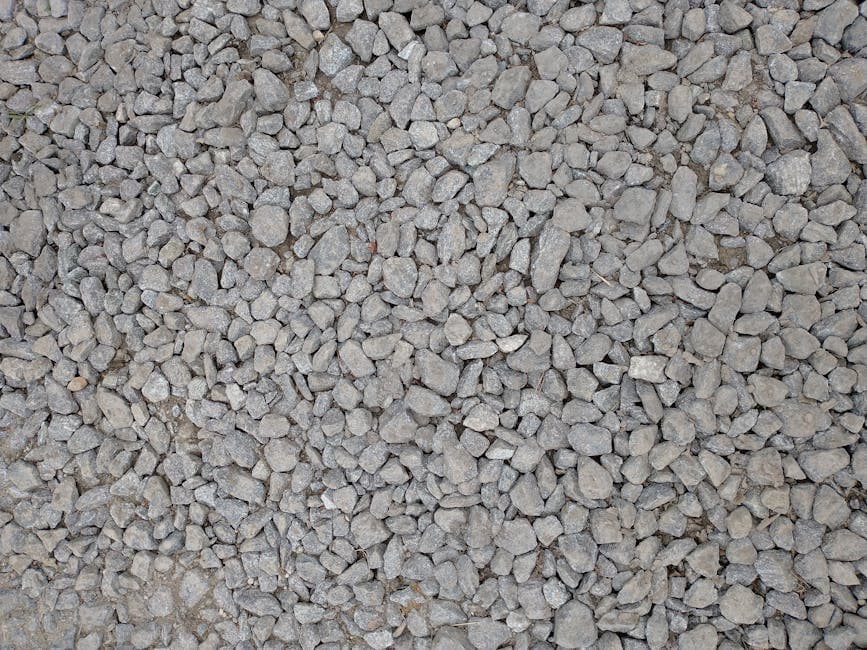
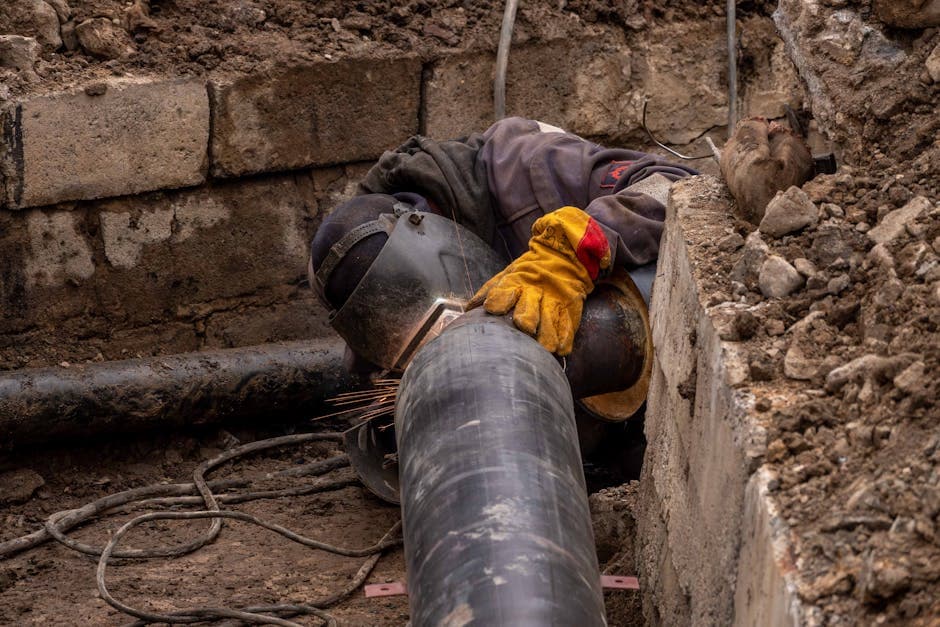
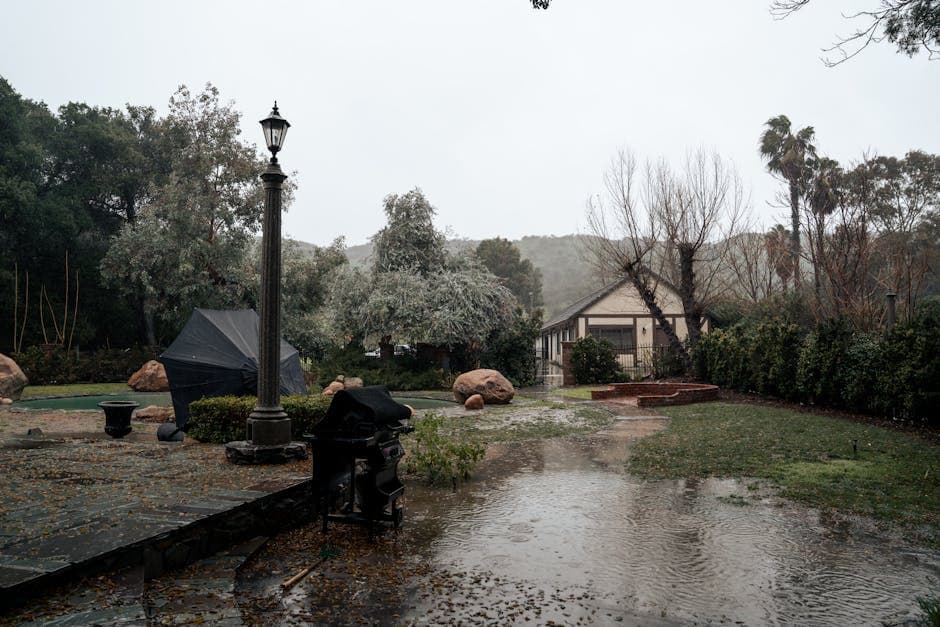
Drain Field Repair Gallery
Warning
Signs
Standing water or soggy ground over the field
Healthy drain fields absorb water within hours. Persistent wet spots mean absorption has failed somewhere — the trenches are saturated, the soil is compacted, or the field has reached end of life. Ignoring this for months can kill an otherwise salvageable field.
Sewage odors near the field even when the tank was just pumped
If pumping didn't solve the odor, the field is the culprit. Effluent is surfacing, which is both a health hazard and a clear sign the field can't take on more volume.
Drains backing up despite recent tank pumping
A freshly pumped tank with continued drain problems means the field is refusing water — the tank fills from the house faster than it can drain to the field. This requires immediate diagnosis before full system backup.
Unusually green or fast-growing grass over the field
Nitrogen from effluent is feeding the grass — which means effluent is reaching the root zone instead of percolating deep into the soil. The field is saturated at the surface, not absorbing properly.
Recent construction traffic or landscaping over the field
Driving vehicles or operating heavy equipment over a drain field compresses the soil, collapsing pore space and destroying absorption. Damage can happen in a single day and may be partially reversible if caught early.
Trees or shrubs planted near or over the field
Roots naturally grow toward nutrient sources. A mature tree can send roots 100+ feet to reach a drain field and clog pipes in a season. Inspection reveals whether roots are already inside the distribution piping.
System is over 25 years old
Biomat (the biological layer that naturally forms in the trench gravel) eventually saturates, reducing absorption. Older fields approach this limit regardless of care. Inspection determines remaining life.
Maintenance
Tips
Our
Process
Full System Diagnosis
Drain field problems are often caused by upstream issues. We start by inspecting the tank, baffles, and D-box — because fixing a field without fixing the cause just repeats the failure. Photos and measurements at every step.
Identify Failure Mode
We probe the field, measure saturation depth, and determine whether failure is due to compaction, root intrusion, biomat saturation, or upstream debris. Different causes mean different repair strategies.
Repair Strategy
We lay out the options in order of how invasive they are: jetting to remove biomat and roots, D-box replacement, partial trench replacement, or full rehabilitation with new gravel and fabric. Each comes with a written scope and a number built from what we found in your field — not off a rate card. We recommend the least-invasive approach that restores function.
Execute & Restore
Depending on scope, work may include excavating trenches, installing new distribution piping, replacing gravel, installing filter fabric, or restoring the D-box. We handle the permit side wherever the job sits — SCDES in South Carolina, county health in North Carolina and Georgia.
Test & Monitor
After repairs, we run water through the system and verify absorption is happening. For severe cases, we schedule a 30-day follow-up to confirm the repair held and the field is functioning normally.
What Drives the Number
Prices are estimates for Upstate SC — get a real quote for your project.
FAQ
Explore More
Get Your
Quote
Call us directly or request a quote online. No pressure, no upselling — just honest answers about your drain field repair needs.
(864) 304-0139