
Clear the Line from House to
Tank — Before It Clears Itself
The sewer line between your house and septic tank is a common failure point — roots push through joints, grease builds up, and pipes sag over decades. When the line restricts, everything in the house slows or backs up. RO uses high-pressure jetting and camera inspection to clear blockages, diagnose the root cause, and recommend targeted repair where needed.
Sewer Line Cleaning
Guide
What It Is
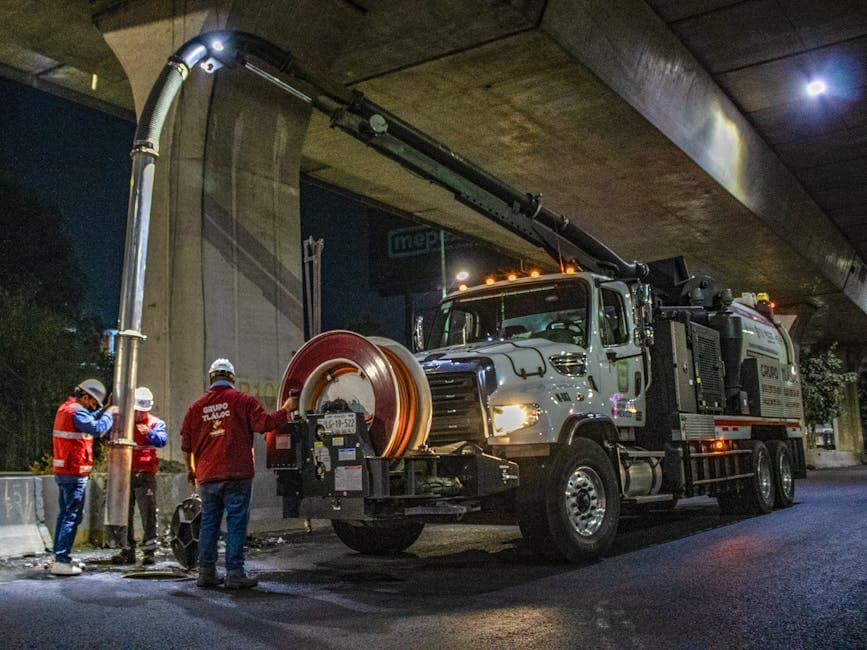
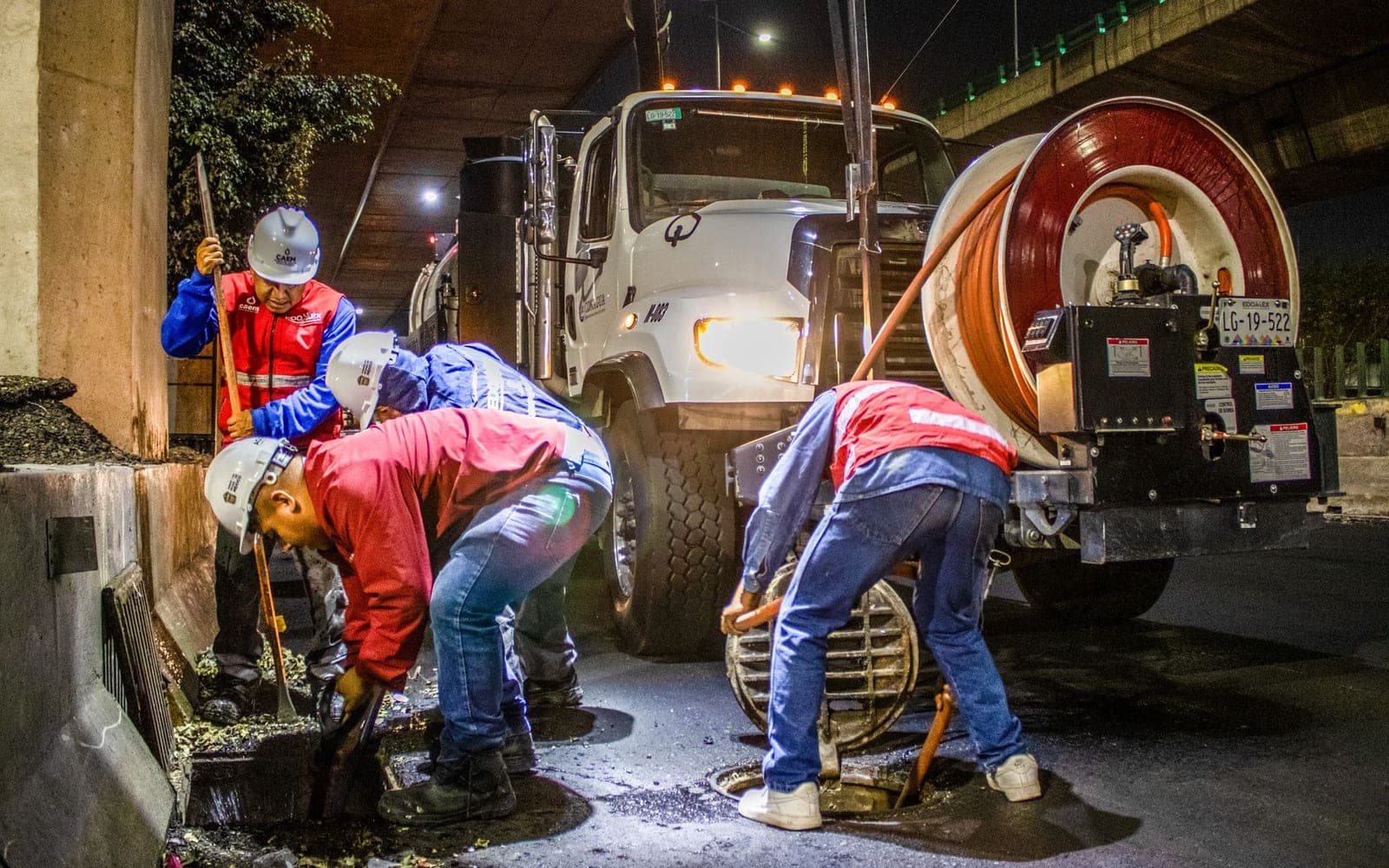
Sewer line cleaning uses high-pressure water (hydro-jetting) or mechanical augers to clear blockages in the line running from your house to the septic tank. Modern jetters deliver 3,000–4,000 PSI water that slices through roots, dissolves grease, and flushes debris — leaving the pipe wall cleaner than snaking would. Camera inspection verifies the line is clear and identifies any damaged sections for repair.
When You Need It
Sudden or gradual flow restrictions in the main sewer line are the trigger. Multiple fixtures running slow at once, gurgling toilets, or toilet overflow that isn't caused by a full tank all point to line issues. Homes with mature trees near the line, older clay or Orangeburg pipes, or known root problems benefit from preventive jetting every 1–3 years before symptoms start.
What Moves the Number
Line length and access set the baseline. Jetting a 100-foot run through an existing exterior cleanout is straightforward. That same line with no cleanout means working back through the tank inlet or pulling a toilet, and that's time spent before the hose goes in. Pipe material changes the approach — clay and Orangeburg get lower pressure and more passes, PVC takes full pressure and fewer. A mechanical auger is the lighter option and leaves the pipe walls coated; jetting scours the full diameter and buys you far longer before it recurs. Camera work adds a run before and a run after. Same-day response during an active backup costs more because a truck comes off booked work to reach you. Most jobs are 1–3 hours on site. If the camera finds broken pipe, that repair is a separate scope on a separate day.
Why It Matters Here
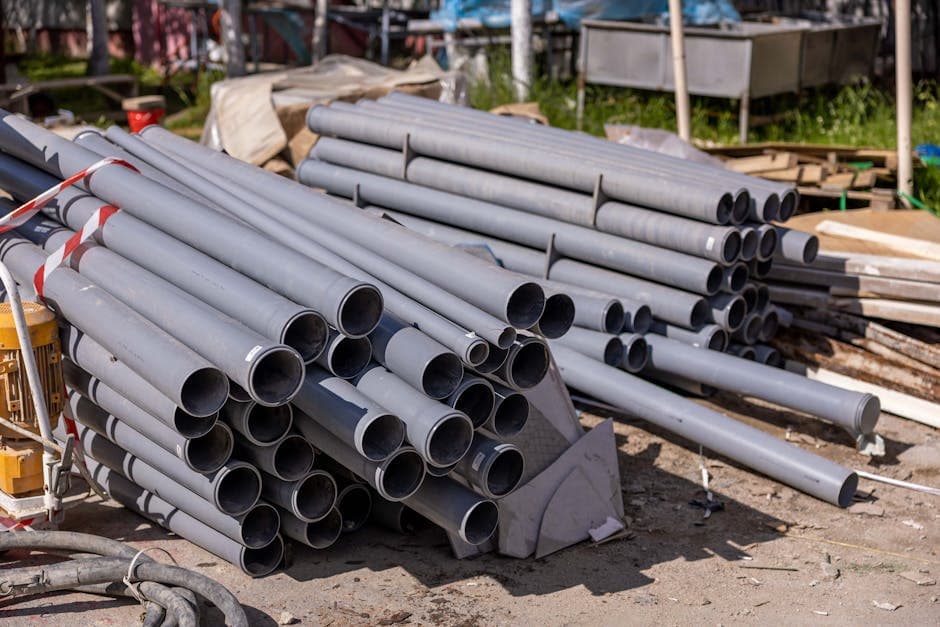
Anything built in this region between the 1960s and the 1980s — older Greenville and Easley neighborhoods, rural Anderson and Pickens, and the same era of housing over the Georgia and North Carolina lines — is likely running clay tile or Orangeburg (a tar-impregnated fiber pipe that fails catastrophically at 40–50 years). Add mature hardwoods over the line, which this whole area has, and root intrusion through aging joints becomes the number-one cause of backups in older homes. Jetting with a camera run is how you meet a line failure on your schedule instead of at 10 PM on a holiday — and it's the only way to know whether you need cleaning or a section of pipe replaced.
Sewer Line Cleaning Gallery
Warning
Signs
Multiple drains slow simultaneously
If sinks, tubs, and toilets all slow at once, the restriction is downstream of all fixtures — almost always the main line. Single-fixture slowness is local; house-wide is the main line or tank.
Toilet overflows or backs up but the tank was recently pumped
A pumped tank with continued backups means the line between house and tank is blocked. Jetting clears it; camera inspection confirms there's no structural damage.
Gurgling sounds from drains
Air is being pulled back through traps because the line can't breathe. Happens when flow is restricted and water is backing up behind the blockage.
Sewage odors inside the house
Odors indoors mean water isn't flowing away from fixtures fast enough — gases that should vent through the roof are escaping through traps that are drying out or being pushed dry by backpressure.
Tree roots visible in the yard along the sewer line path
If you can see roots from mature trees anywhere near the line path, roots are almost certainly inside the line. Preventive jetting every 1–2 years is a scheduled visit. A full blockage is an emergency call and whatever it puts on your floor.
Previous sewer line repair
Homes with partial line repairs often have continued issues as the unrepaired portion ages. Preventive inspections catch new failures early.
Home is over 40 years old with original sewer line
Clay tile and Orangeburg pipes reach end of life around year 40–50. Any original line in this age range should be camera-inspected to assess condition.
Maintenance
Tips
Our
Process
Diagnosis & Access
We identify where the blockage is by observing which fixtures drain and which don't, and whether the problem is at the house or the tank. We then access the line through an existing cleanout (preferred) or the tank inlet.
Camera Inspection (Pre-Cleaning)
Before jetting, a camera run tells us what we're dealing with — roots, grease, solids, pipe damage, or sagging. This prevents aggressive jetting in a damaged section that might worsen the problem.
Hydro-Jetting
We run a rotating jetter head through the line at appropriate pressure for the pipe type. Roots are sliced, grease dissolved, and debris flushed into the tank. Passes are repeated until the line is visibly clean.
Camera Verification
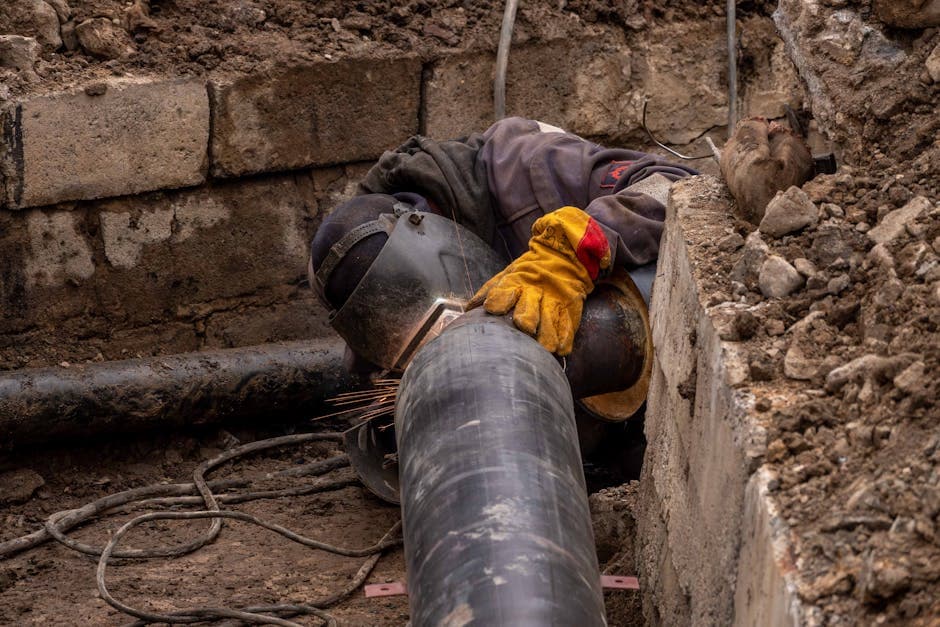
Second camera run after jetting confirms the line is clear end-to-end. We mark any structural issues (cracks, sags, offsets) on a drawing for future attention — these are repair items, not cleaning items.
Documentation & Prevention Plan
You get a video of the camera inspections, a written report, and a recommended interval for preventive jetting based on your pipe condition and root pressure. We track your history for long-term planning.
What Drives the Number
Prices are estimates for Upstate SC — get a real quote for your project.
FAQ
Explore More
Get Your
Quote
Call us directly or request a quote online. No pressure, no upselling — just honest answers about your sewer line cleaning needs.
(864) 304-0139