
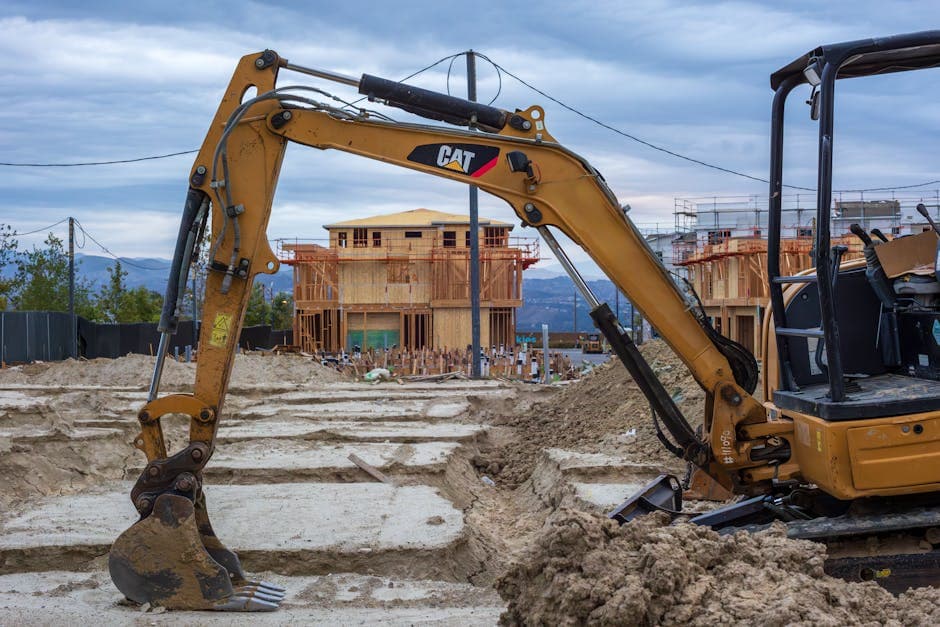
From Soil Test to Final Inspection
— One Crew, One Standard
Installing a new septic system is the single most regulated part of residential construction. Soil type, slope, water table depth, setbacks from wells and property lines — every variable affects what can go in and what it costs — and the rules change the moment you cross a state line. RO works out of Easley and is licensed for onsite wastewater in South Carolina, North Carolina, and Georgia, handling the full scope in all three: soil evaluation, permitting, system design, excavation, tank and drain field installation, and final inspection.
New Septic Installation
Guide
What It Is
A new septic system installation puts in place the complete sewage treatment and disposal infrastructure for a home that isn't on municipal sewer. That includes a septic tank (usually 1,000–1,500 gallons for a 3–4 bedroom home), distribution box, and drain field (typically 200–400 feet of perforated pipe in gravel trenches). For challenging sites, systems can include lift pumps, sand filters, or engineered mound beds.
When You Need It
Three scenarios: (1) New construction on a rural lot without municipal sewer access — most common. (2) Complete system replacement when the existing system has failed beyond repair. (3) Adding a second system for an accessory dwelling, in-law suite, or workshop with plumbing. All three need a permit and, in most cases, a licensed installer. South Carolina tiers that licence — Tier 1, Tier 2, and Tier 3 by system type and size — and RO holds Tier 2, the level the state requires for pump systems, large systems, grease traps, and repairs. A Tier 1 installer cannot legally touch that work. North Carolina and Georgia license installers under their own programs, and RO carries all three, so the permit path changes with the address but the crew doesn't.
Planning It Out
The soil report writes most of this estimate before we do. A gravity-flow system on well-draining Piedmont soil for a 3–4 bedroom home is the baseline scope: soil test, permit, tank, drain field, labor. Everything above that is the site talking — a slow perc rate in clay, a water table sitting high, rock close to grade, or a lot too tight to hold the required reserve area all push you toward an engineered design (sand filter, mound bed, aerobic treatment) with imported material, a pump, and power run to it. Bedroom count sets tank size and linear feet of field, so a fifth bedroom is not a rounding adjustment. Timeline: soil evaluation and permitting 1–3 weeks, installation 2–5 days, inspection and backfill 1–2 more days — 2–4 weeks start to finish, longer when the spring permit queue backs up. Which queue you're in depends on the address: SCDES reviews it in South Carolina, a county health department does in North Carolina and Georgia, and they don't all move at the same speed.
Why It Matters Here
Soil out here changes lot to lot — sandy Piedmont on one parcel, clay-heavy bottomland on the next, shallow bedrock as you climb toward the foothills. A cookie-cutter system that works on one lot fails on the one beside it. That's the reason South Carolina sizes systems on soil morphology — texture, structure, depth to a restrictive horizon, depth to the seasonal water table — instead of a percolation test, and why above the Fall Line, which covers everything we build in this state, the evaluation has to come out of backhoe pits rather than hand borings. North Carolina and Georgia evaluate and permit onsite systems under their own rules, so the same house plan can end up with a different permitted design depending on which side of the line it lands. Lake lots add a layer on top: Keowee, Jocassee, and Hartwell all carry setbacks from the water, and Hartwell puts South Carolina rules on one shore and Georgia rules on the other. Getting the design right for your specific site is the single biggest factor in how long it lasts. Shortcuts taken at install show up five years later as drain field failure, and by then the fix is a permit and an excavator. RO does it right the first time.
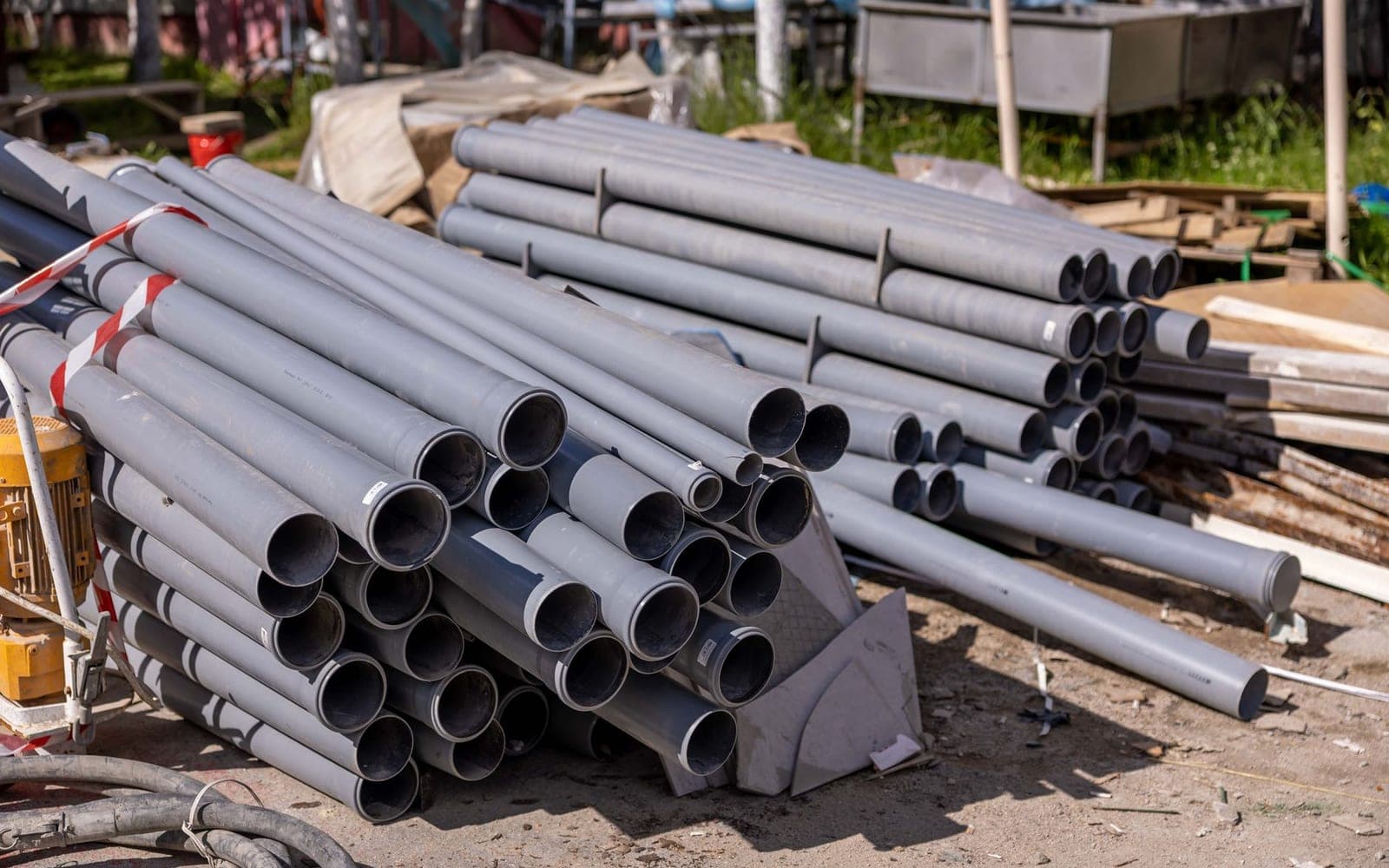
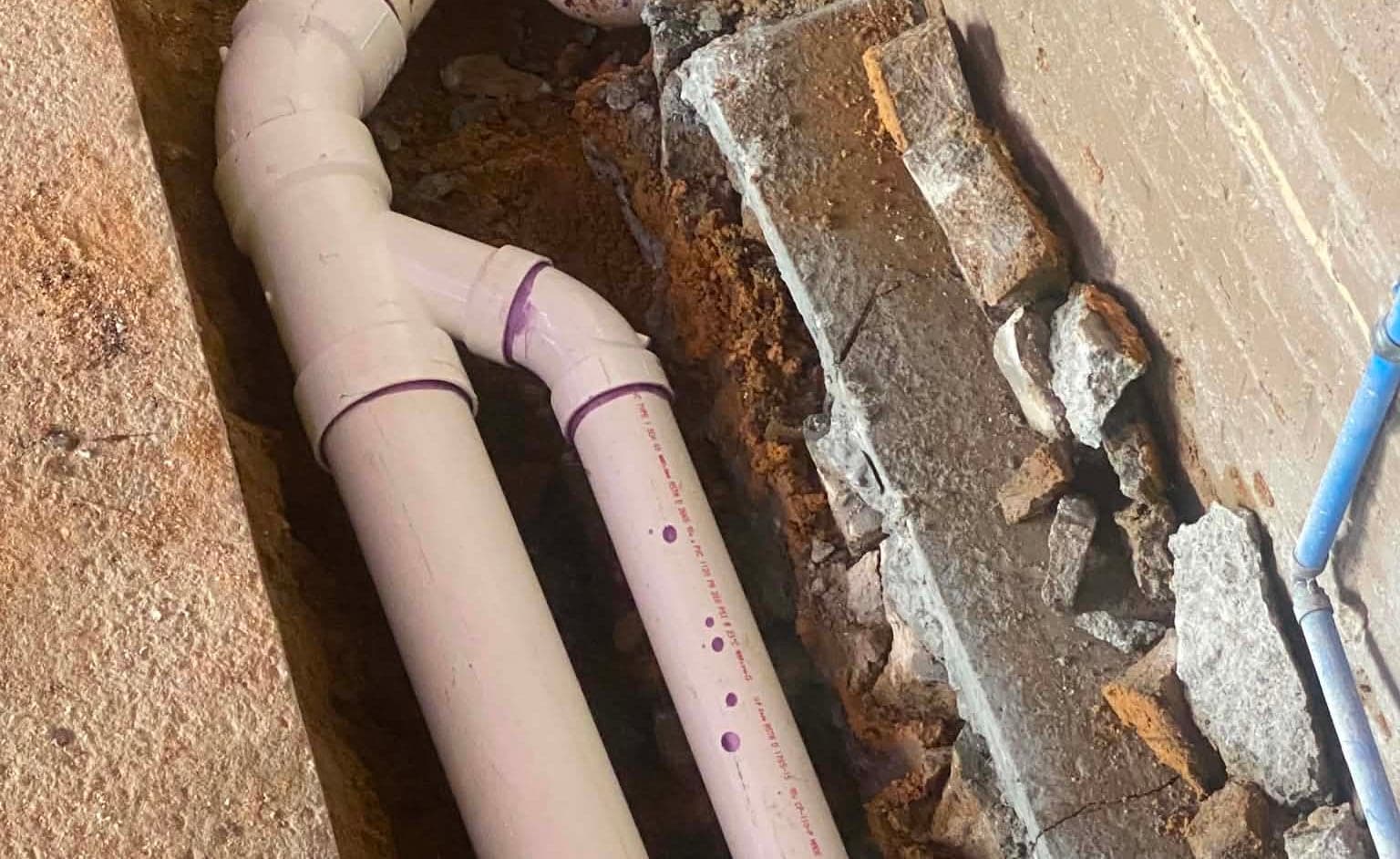
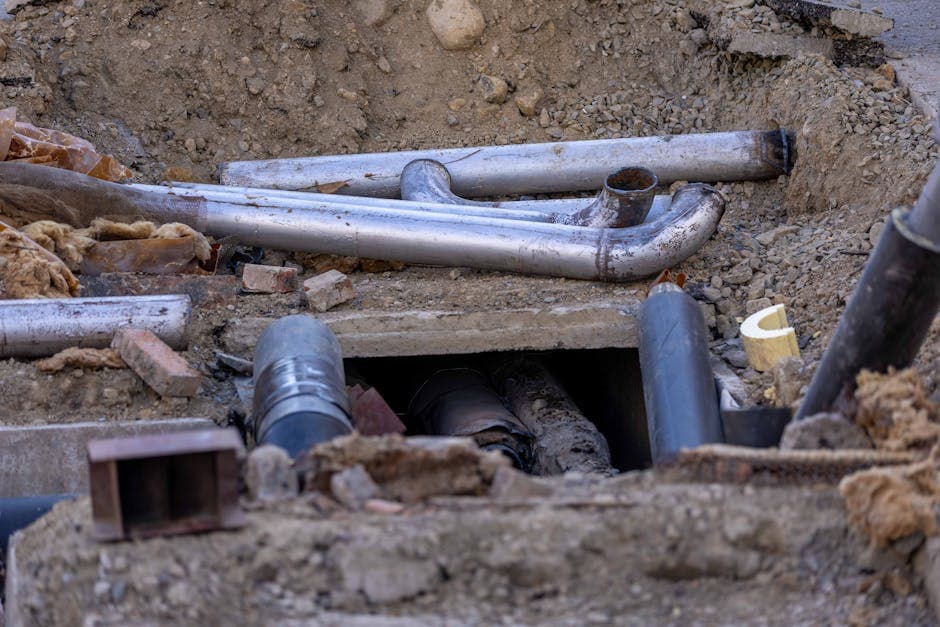
New Septic Installation Gallery
Warning
Signs
Your contractor doesn't mention a soil evaluation
No state we work in will issue a permit without a soil evaluation first. South Carolina doesn't even use percolation tests — the state reads soil morphology, done by certified staff or a licensed professional soil classifier, from backhoe pits anywhere above the Fall Line. If a contractor is quoting without any soil work, they're either planning to skip it (illegal) or they haven't done this before.
The quote comes in far under everyone else's
A number well below the rest almost always means something has been left out — a tank smaller than code requires, an undersized drain field, or no permit at all. Ask three questions: what tank size, how many linear feet of field, and what's the permit number. If those answers are missing, the quotes aren't comparable and you're not shopping the same job.
No permit number on the quote
A legitimate installer will either have the permit in hand or include the permit fee and timeline in the quote. Unpermitted work is illegal in all three states and will create problems at sale time.
You're told an "engineered system" isn't necessary on a difficult lot
If your lot has clay soils, steep slope, shallow water table, or proximity to a stream, a simple gravity-flow system may not be permittable at all. An installer steering you away from an engineered design to save money is gambling with your long-term system health.
No written warranty
Reputable installers warranty tank and drain field workmanship for at least 1 year, often 2–5 years. If warranty terms aren't written into the quote, they don't exist.
No plan for protecting the install site during construction
Other trades driving heavy equipment over a new drain field will compact the soil and destroy absorption. The installer should mark the area and coordinate with the GC to protect it.
Maintenance
Tips
Our
Process
Site Assessment & Soil Evaluation
Certified staff or a licensed professional soil classifier evaluates the site. In South Carolina that means reading soil morphology — texture, structure, depth to a restrictive horizon and to the seasonal water table — out of backhoe pits above the Fall Line, not a perc test. This determines what system type is permittable and where it must sit. Results inform the design.
System Design & Permit
We design the system to match soil conditions, home size, and site constraints, then submit it to the agency that holds jurisdiction — SCDES in South Carolina, the county health department in North Carolina or Georgia. Approval typically takes 2–3 weeks. You receive full plans before any excavation.
Excavation & Tank Setting
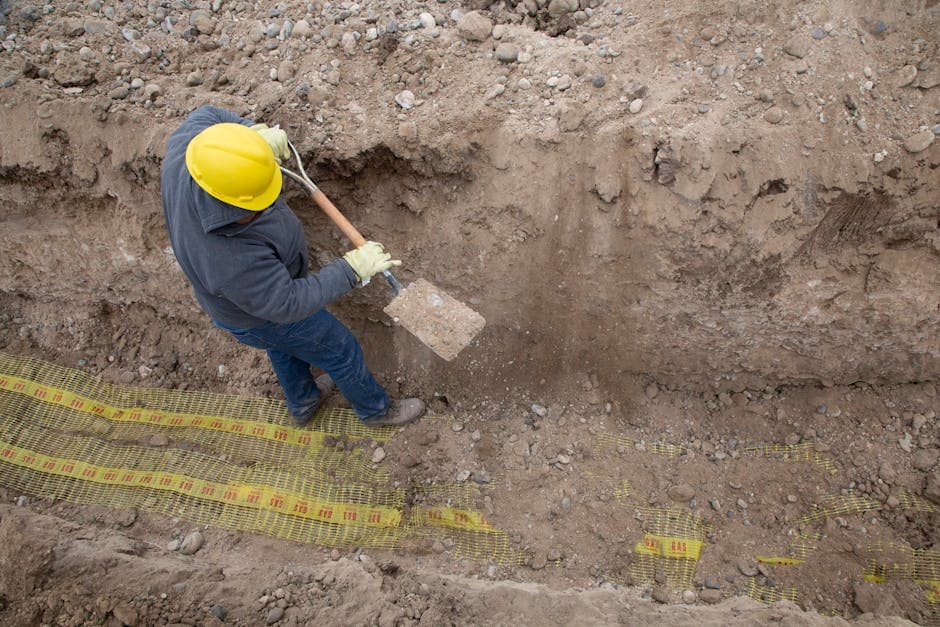
We excavate for tank and drain field, set the concrete tank on a level gravel bed, and plumb the inlet line from the house. Tank is tested for watertightness before backfill.
Drain Field Construction
Gravel trenches are dug to design specs, perforated distribution pipe is laid with correct slope, and the field is covered with filter fabric and soil. Distribution box is set and connected to tank and field.
Inspection & Backfill
The permitting inspector confirms all components meet permit specs before any covering. Once passed, we backfill, grade, and seed. You get the final inspection report and warranty documentation.
What Drives the Number
Prices are estimates for Upstate SC — get a real quote for your project.
FAQ
Explore More
Get Your
Quote
Call us directly or request a quote online. No pressure, no upselling — just honest answers about your new septic installation needs.
(864) 304-0139