
Fix It Right — Or
Pay to Replace It Later
Septic tanks don't fail all at once. Baffles deteriorate, lids crack, inlet and outlet pipes shift, and small cracks let groundwater in. Caught early, most of it is a couple of hours through the open lid. Ignored, the same failure feeds solids into the drain field and turns into a full system replacement. RO diagnoses and repairs tank-level issues before they cascade.
Septic Tank Repair
Guide
What It Is
Septic tank repair covers any work that keeps the tank itself functioning: baffle replacement (the T-shaped fittings at inlet and outlet that keep scum from escaping), lid and riser replacement, inlet and outlet pipe repairs, crack sealing, and effluent filter installation or replacement. Drain field issues are a separate category — tank repairs specifically address the tank and its immediate connections.
When You Need It
Most tank repairs are discovered during pumping or inspection. Missing or broken baffles are extremely common in tanks over 20 years old — concrete baffles crack, steel baffles rust away, plastic baffles become brittle. Cracks in the tank walls allow groundwater infiltration (which overloads the drain field) or effluent escape (which contaminates groundwater). Failed inlet or outlet pipes cause immediate symptoms: backups, slow drains, or surface flooding.
What It Takes
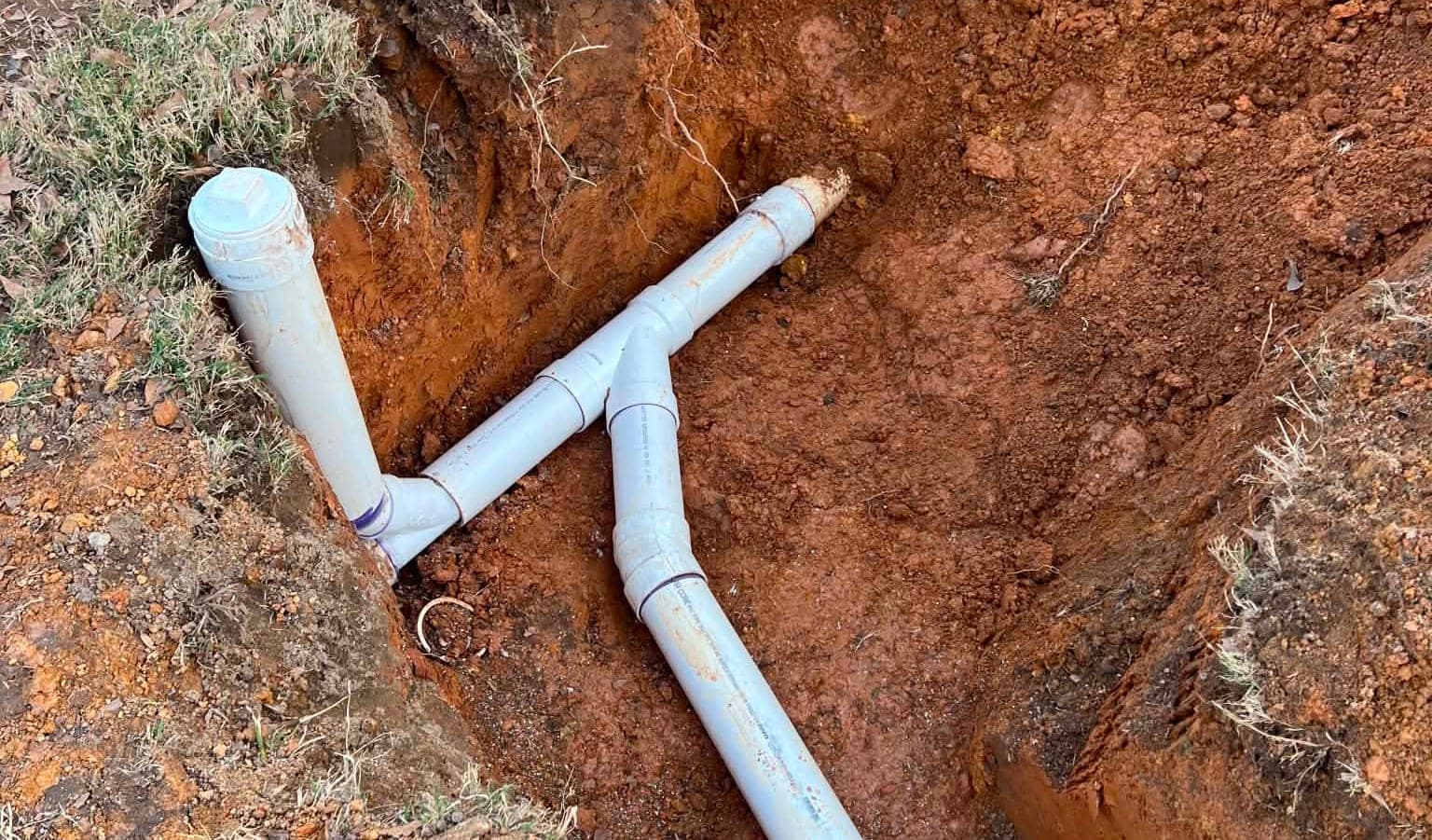
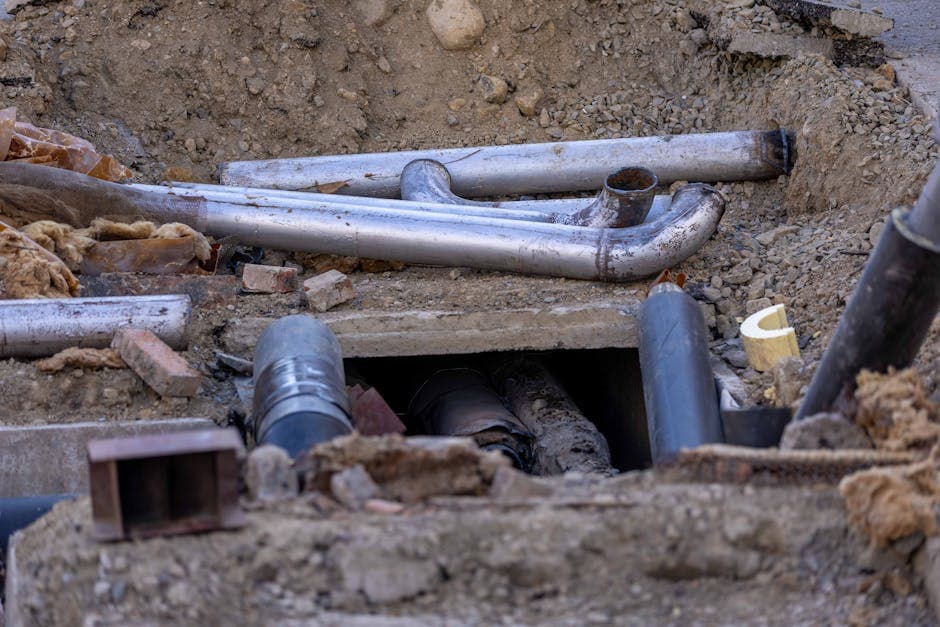
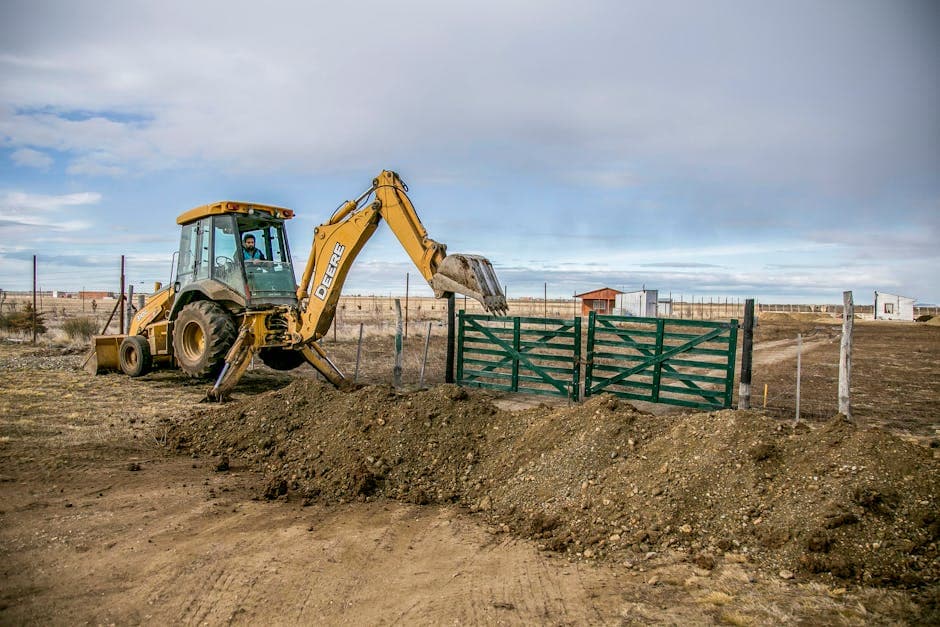
Tank repairs are light on parts and heavy on access — that's where the money goes. Swapping a baffle or dropping in an effluent filter happens through the open lid in a couple of hours; that's the easy end. What adds scope is digging: a buried lid, a tank set deep, or a repair that requires exposing the tank wall or the inlet line means an excavator, spoil piles, and restoration afterward. Crack sealing sits at the top because the tank has to be pumped, dried out, patched, and then cured before anyone flushes a toilet — so plan around a day the house can run light on water. Most repairs are done in 2–6 hours. Anything needing the machine is a full day.
Why It Matters Here
A lot of the housing around Greenville, Easley, and out through Anderson and Pickens counties sits on 30-plus-year-old concrete tanks, and by that age the baffles are usually gone. Once they are, scum and solids flow straight into the drain field and clog it within months. A baffle is a length of PVC and an afternoon. The field it protects is a permit, an excavator, and a week. Unseen tank cracks do the same damage from the other direction — thousands of gallons of groundwater leaking in every year, overloading the field no matter how well you maintain everything else.
Septic Tank Repair Gallery

Warning
Signs
Solids visible in the outlet pipe
If you can see grease or solids in the outlet, the outlet baffle has failed. Every flush is now sending waste directly to your drain field. This is urgent — drain field damage is actively occurring.
Water level in tank is higher than the outlet pipe
The tank should equalize at the outlet elevation. If water is rising above that, either the outlet is restricted (baffle or filter clogged) or the drain field can't absorb fast enough. Both need attention.
Water level in tank is below the outlet pipe
The tank is leaking. Effluent is escaping through a crack or failed joint into the surrounding soil — contaminating groundwater and creating a site that can no longer be considered "on a functional septic system."
Groundwater visible in the tank after pumping
Some seepage is normal in very wet conditions, but if the tank fills from below after pumping, there are cracks letting groundwater in. This overloads the system 24/7 and must be addressed.
Cracked or crumbling tank lid
A cracked lid is a safety hazard — they've been known to collapse under the weight of a person or equipment, with fatal consequences. Replace immediately, don't wait.
Strong sewage smell near the tank
Odors mean gases are escaping that shouldn't be. Causes: cracked lid, failed vent, or effluent surfacing around the tank. All are fixable but none should be ignored.
Effluent filter found clogged during inspection
If your tank has an outlet filter, it should be pulled and rinsed annually. A clogged filter causes backups even when tank volume is fine — easy fix but easily overlooked.
Maintenance
Tips
Our
Process
Diagnosis
We start with a pumping so we can see the tank interior, then assess baffle condition, wall integrity, pipe connections, and fitting seals. Every issue is photographed before we touch anything.
Scope & Estimate
Based on the diagnosis, we lay out exactly what needs repair, show you the photos, and give a written estimate. For multiple issues, we prioritize what's urgent vs. what can wait.
Repair Work
Most baffle and filter repairs are done through the existing access lid — no excavation. Crack repair and pipe work may require exposing parts of the tank. We protect the site and minimize disturbance.
Test & Verify
After repair, we run water through the house to verify flow is correct, the tank seals properly, and the drain field is receiving effluent — not groundwater from cracks or solids past failed baffles.
Documentation & Next Steps
You get a written report of what was repaired, photos before and after, and a recommended timeline for the next inspection. If drain field damage was suspected, we schedule a follow-up to confirm it's still functioning.
What Drives the Number
Prices are estimates for Upstate SC — get a real quote for your project.
FAQ
Explore More

Get Your
Quote
Call us directly or request a quote online. No pressure, no upselling — just honest answers about your septic tank repair needs.
(864) 304-0139