
When Repair Doesn't Make Sense
— A Full New System
Some systems are beyond repair: rusted-through steel tanks, collapsed drain fields, repeated failures despite maintenance. Full replacement is a major investment but the right move when the math doesn't favor repeated repairs. RO handles permitting, demolition, design, and installation — so you go from a failing system to a fresh 30-year asset in 2–3 weeks.
System Replacement
Guide
What It Is
Full replacement removes the existing tank, distribution box, and drain field, and installs entirely new components. This is required when the tank has structurally failed (rusted-through steel, shattered concrete), when the drain field has reached end of life, or when repeated repairs haven't restored function. New systems are installed to current code with modern materials, typically lasting 25–40 years.
When You Need It
Repair vs. replace is a math problem. Once the realistic repair list starts approaching what a whole new system costs, replacement usually wins — you stop paying to keep alive something that can fail again next season. Age is another factor: systems over 30 years old often have multiple failure points, making piecewise repair costly. A failed inspection during a real estate transaction often forces the decision for you.
Budget & Schedule
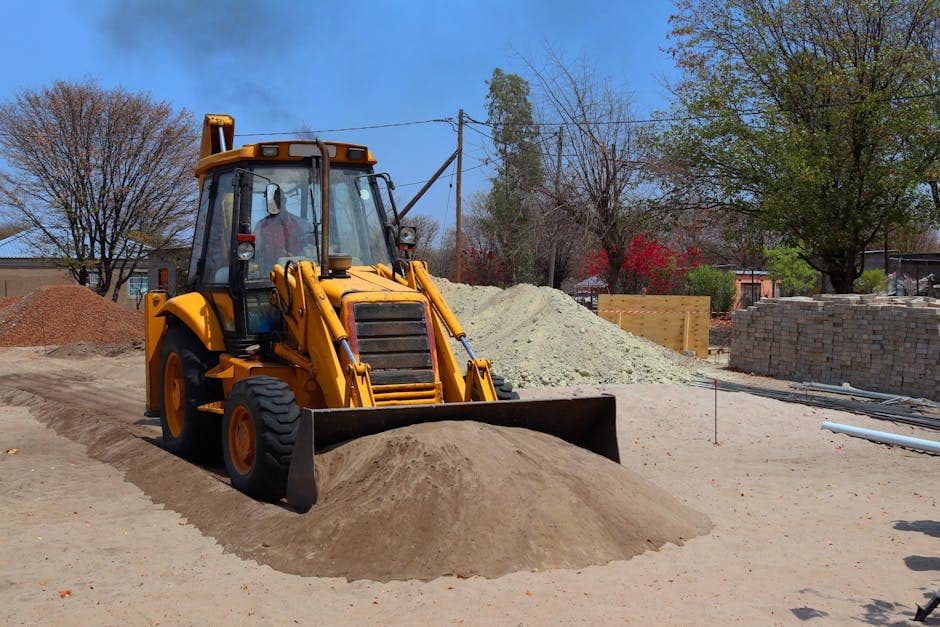
A replacement is two jobs stacked on each other. First the old system comes out: pump the dead tank, excavate and haul it or crush and abandon it in place the way the state allows, and get the old material off site — none of which exists on a new-construction install. From there the drivers are the same as any new system: bedroom count sets tank size and linear feet of field, and the soil report decides whether gravity flow still passes on that lot or whether you're into a mound, an aerobic unit, or a pump-fed design. If the original records are old enough, the permitting agency will want a fresh soil evaluation, and that lands before anything else can move. Schedule: 1–2 weeks permitting, 3–7 days installing, 1–2 days for inspection and backfill — call it 2–3 weeks, longer in a wet season when the excavator can't get across the yard without doing damage.
Why It Matters Here
The building boom that ran through the Greenville–Easley corridor and the rural counties around it from the 1960s to the 80s put in thousands of septic systems that are all reaching end of life at roughly the same time — and we see the same vintage across the line in northeast Georgia and the western Carolinas. Replacing rather than repeatedly repairing gets you decades of trouble-free service. It also protects property value — homes with documented new systems sell more easily and at higher prices than homes with "we keep fixing it" systems.
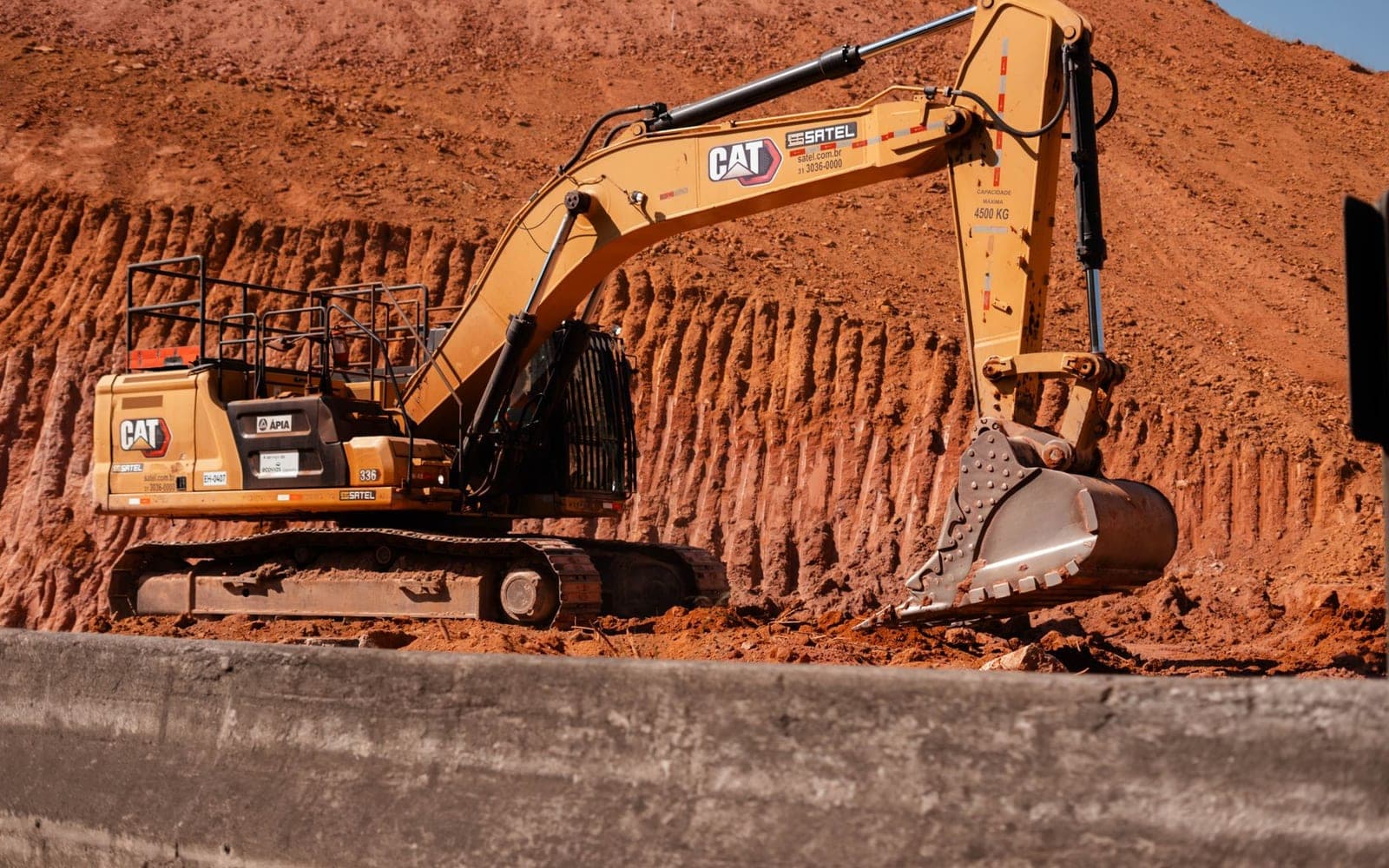
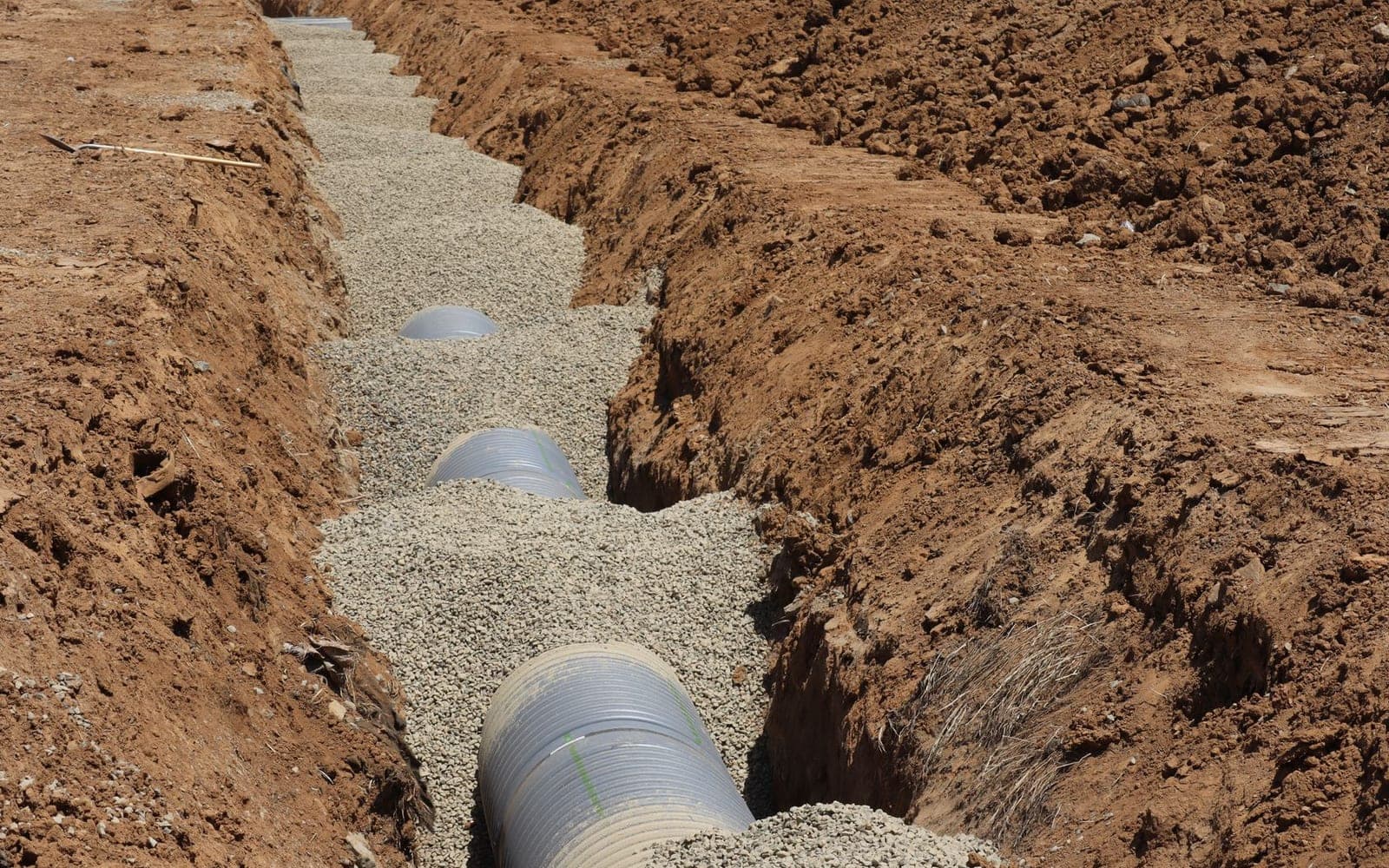
System Replacement Gallery
Warning
Signs
You've had 2+ repairs in the last 5 years
Systems that need repeated intervention are telling you they're near end of life. Continuing to repair is pouring money into something that will eventually require replacement anyway. Do the math.
Tank is steel or has cracked concrete walls
Steel tanks installed before the 1980s are almost universally rusted through. Cracked concrete tanks leak effluent into groundwater and pull groundwater in. Neither can be reliably repaired — replacement is the answer.
Drain field has failed despite maintenance
If you've pumped on schedule, installed effluent filters, and still see field failure, the field itself has reached end of life. Biomat saturation, soil exhaustion, or original installation errors can't be repaired — only replaced.
Multiple components need repair at once
When we find a failed baffle, a cracked D-box, and a marginal drain field during the same inspection, piecewise repair rarely makes sense. Replacement gives you a coherent new system instead of a patched-together old one.
System failed its septic inspection for a real estate sale
A failed inspection blocks most home sales. Replacement typically must happen before closing, either paid by the seller or negotiated into the price. Find out early — a failed inspection two weeks from closing becomes a scope nobody escrowed for and a permit clock nobody can speed up.
You're adding bedrooms or a guesthouse
Every state we work in sizes systems by bedroom count. Adding a bedroom or accessory dwelling may require replacement (or supplementation) with a larger system. Plan this before starting construction.
Maintenance
Tips
Our
Process
Replacement Assessment
We confirm replacement is actually the right call by reviewing all repair options and cost-of-repair vs. replacement. If repair can realistically add 10+ years, we'll say so. If not, we move to design.
Design & Permit
Depending on age of records, a new soil evaluation may be required. We design a system appropriate to your site, current code, and your home's bedroom count, then submit it to SCDES or to the county health department, depending on which state the property is in. Permit issuance: 1–3 weeks.
Demolition & Removal
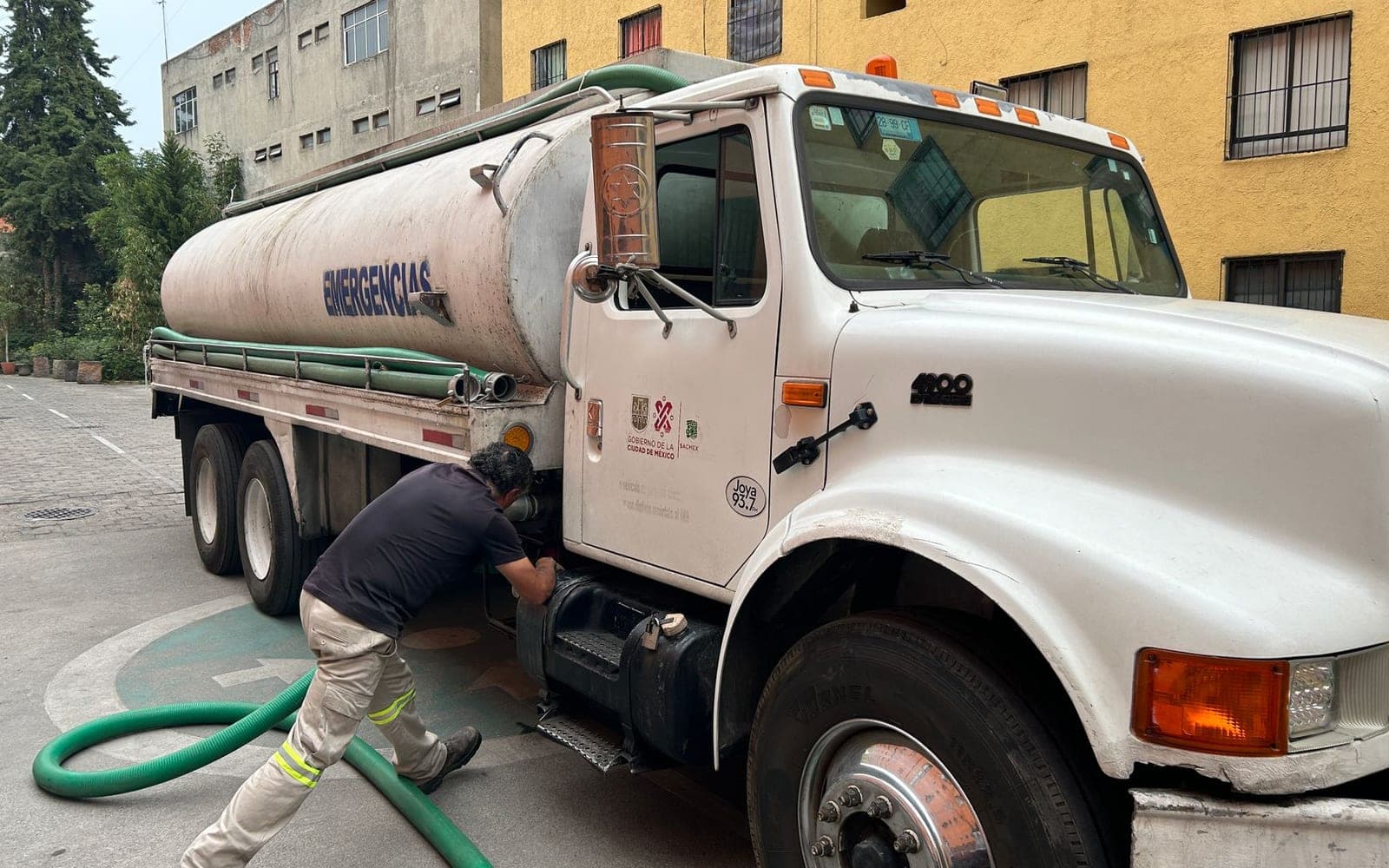
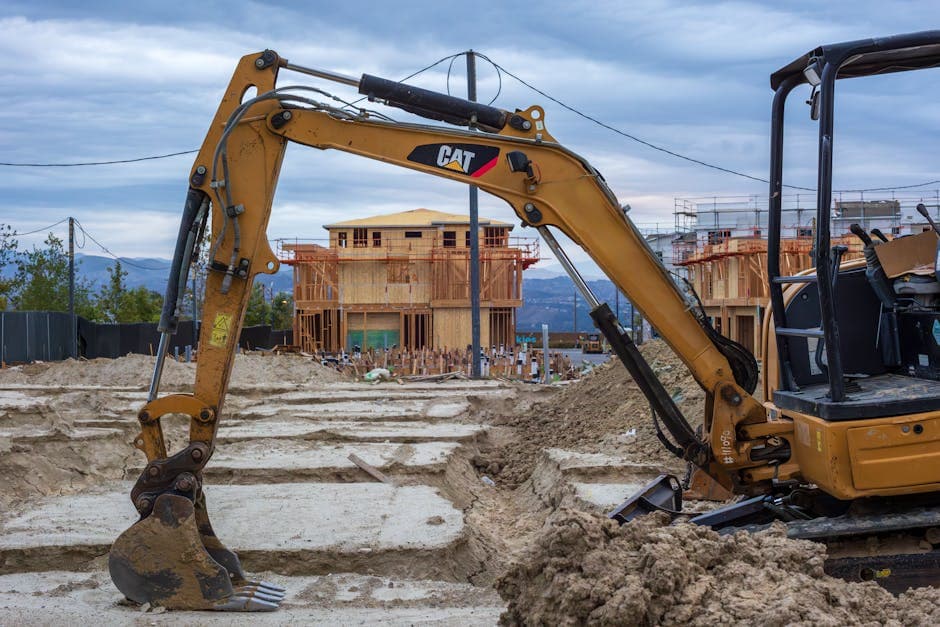
The old tank is pumped, then excavated and removed. The old drain field is excavated or capped and abandoned in place the way the permit requires. Old materials are hauled and disposed properly.
New System Install
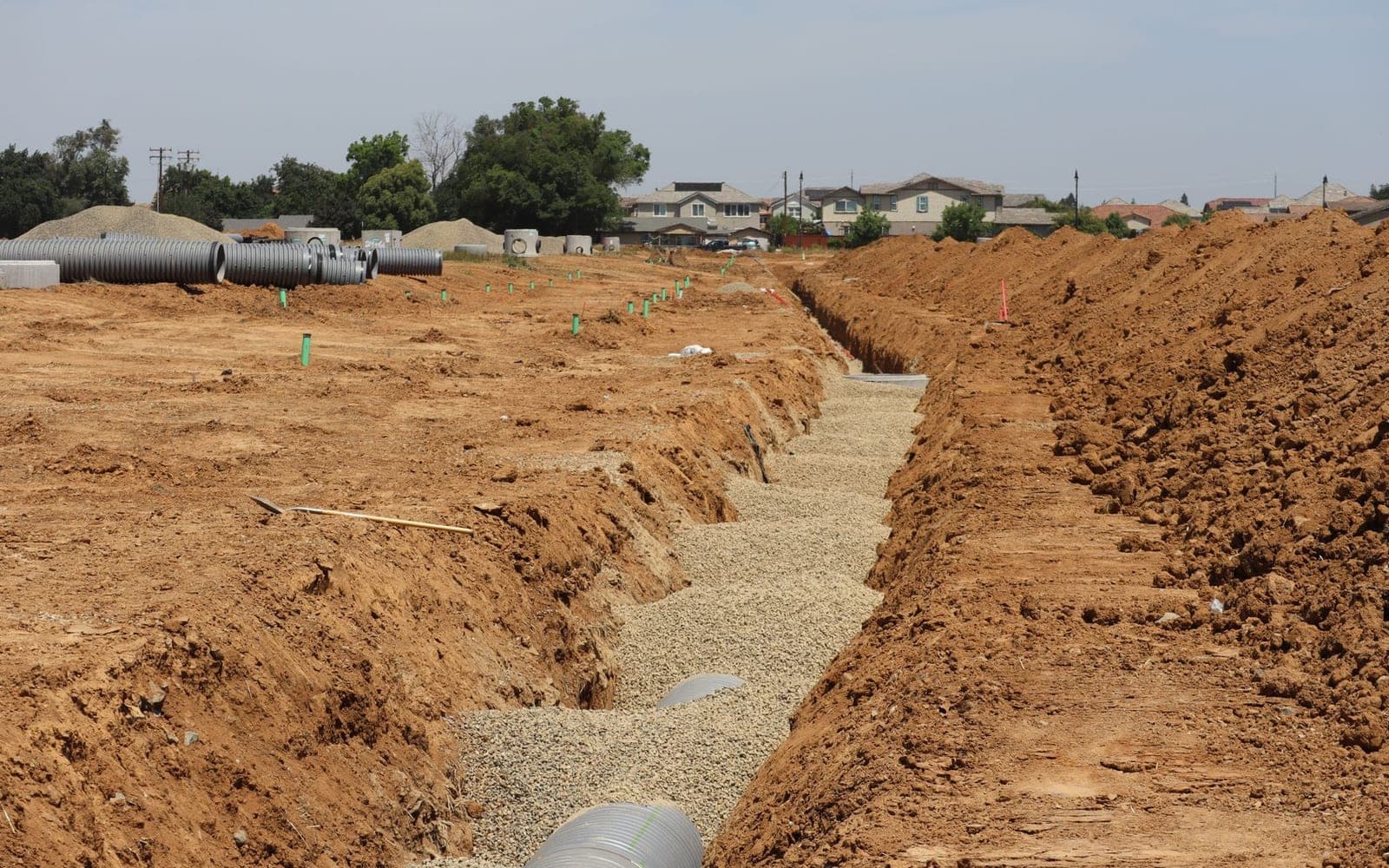
New tank is set on a level gravel bed. New drain field trenches are dug, new pipe and gravel laid, new D-box set and connected. All connections are pressure-tested before any backfill.
Inspection & Restoration
The permitting inspector verifies every component meets permit specs. Once passed, we backfill carefully, grade the site, and seed grass. You get final inspection documents, warranty paperwork, and an as-built drawing.
What Drives the Number
Prices are estimates for Upstate SC — get a real quote for your project.
FAQ
Explore More
Get Your
Quote
Call us directly or request a quote online. No pressure, no upselling — just honest answers about your system replacement needs.
(864) 304-0139