
Same-Day Response When
the System Fails
Septic emergencies don't wait for business hours — sewage backups, flooded drain fields, and tank overflows need immediate response to limit damage and protect your family. RO maintains emergency capacity for same-day pumping, diagnosis, and stabilization. We get your home functional fast, then plan the real repair.
Emergency Service
Guide
What It Is
Emergency septic service addresses immediate failures — sewage backing up into the house, effluent flooding the yard, tank overflow, or complete drain blockage. Emergency response focuses on stopping damage first (immediate pumping, temporary bypass, diagnostics) and planning permanent repair second. Most emergencies can be stabilized within 2–4 hours of the call.
When You Need It
Sewage backing into any drain or fixture. Toilet water rising instead of flushing. Effluent surfacing in the yard or around the tank. Standing water over the drain field during dry weather. Strong sewage odors indoors. Any of these is an emergency — continuing to use the house worsens the problem and creates health hazards. Stop running water and call immediately.
Response Time & What Drives It
An emergency call costs more than the same work booked in advance, for one honest reason: a truck and a crew come off scheduled jobs to reach you. Nights, weekends, and holidays add to that again. Past the response premium, the drivers are the ordinary ones — tank size for the pump-out, whether the lid has to be located and dug up in the dark, and whether you've got a blocked line or a field that simply won't take water. What you're paying for on that first visit is stabilization, not the permanent fix; we scope and quote that after the crisis, when you can think straight. Typical call: tech on site within 2–4 hours, stabilized within 1–3 hours of arrival, permanent repair scheduled within days.
Why It Matters Here
Summer thunderstorms and winter freezes hit the whole tri-state the same way, and both trigger septic emergencies: saturated ground stops drain field absorption, frozen lines block flow. Our trucks run out of Easley, so Greenville, Anderson, and Pickens are a short response and the far edges of our range — northeast Georgia, the North Carolina foothills — take longer. We'll tell you on the phone which one you are instead of letting you wait and wonder. We keep 24/7 capacity because the gap between calling at hour one and hour six is the gap between pumping a tank and hiring a remediation crew to tear out flooring, baseboard, and drywall. Fast response limits damage — always.
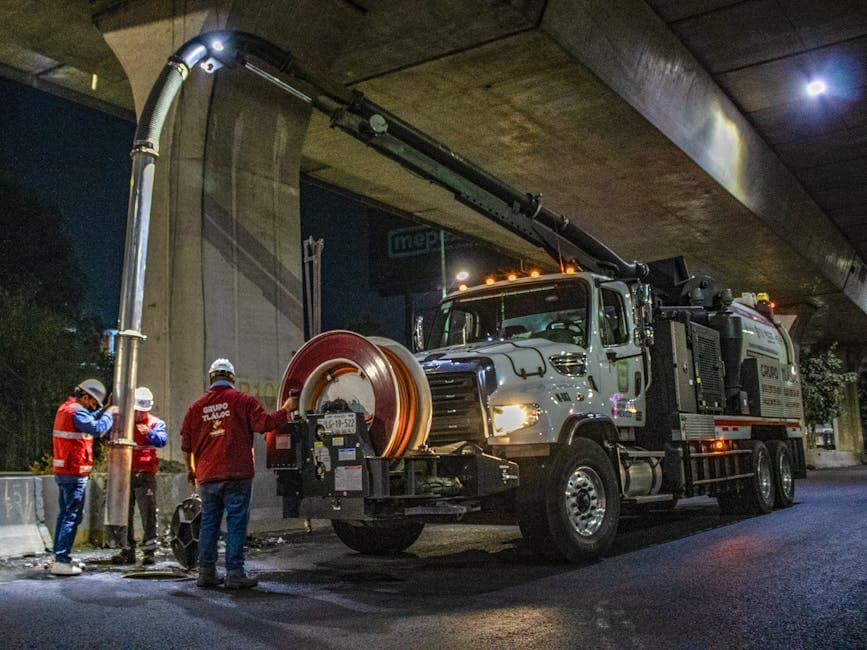
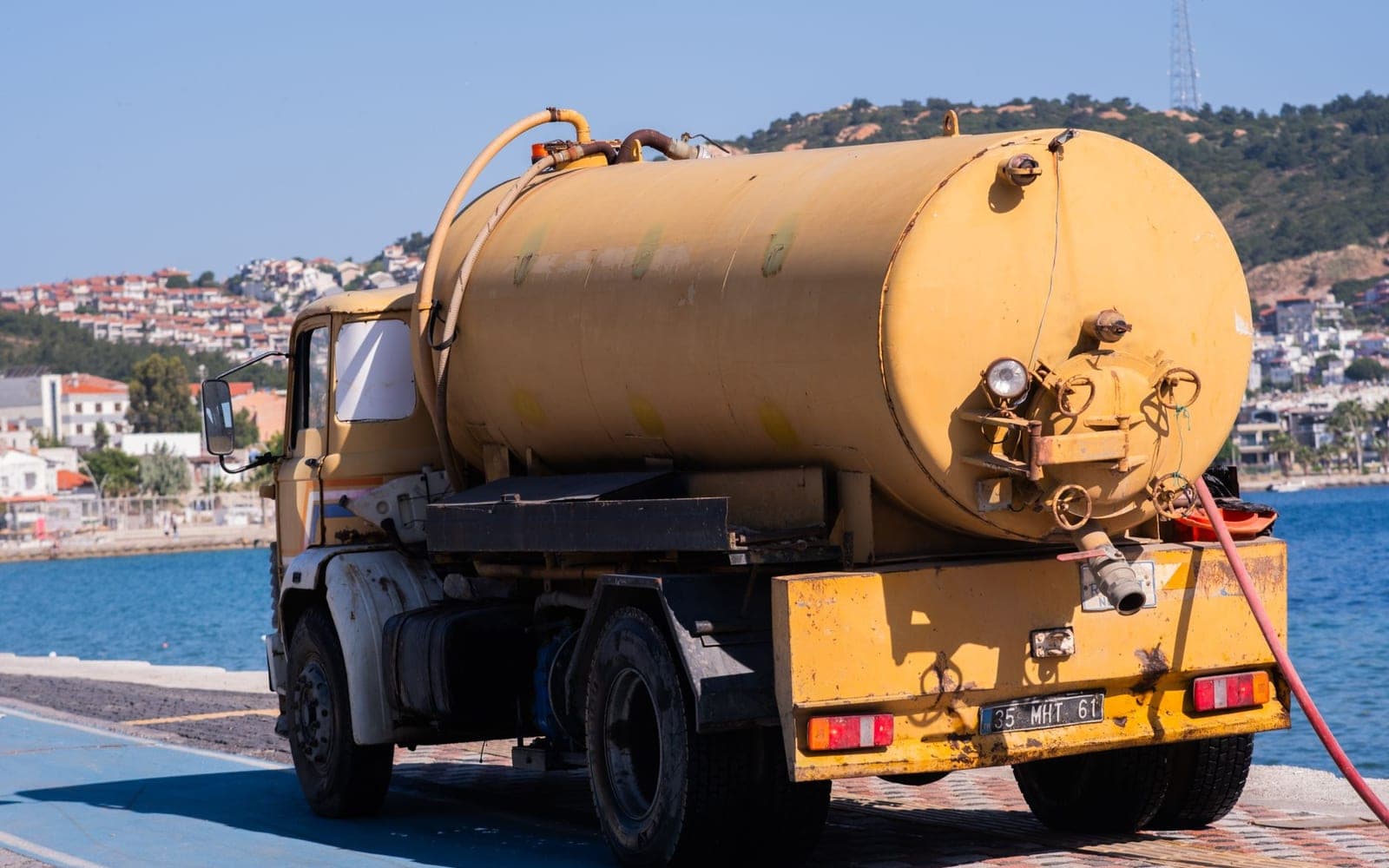
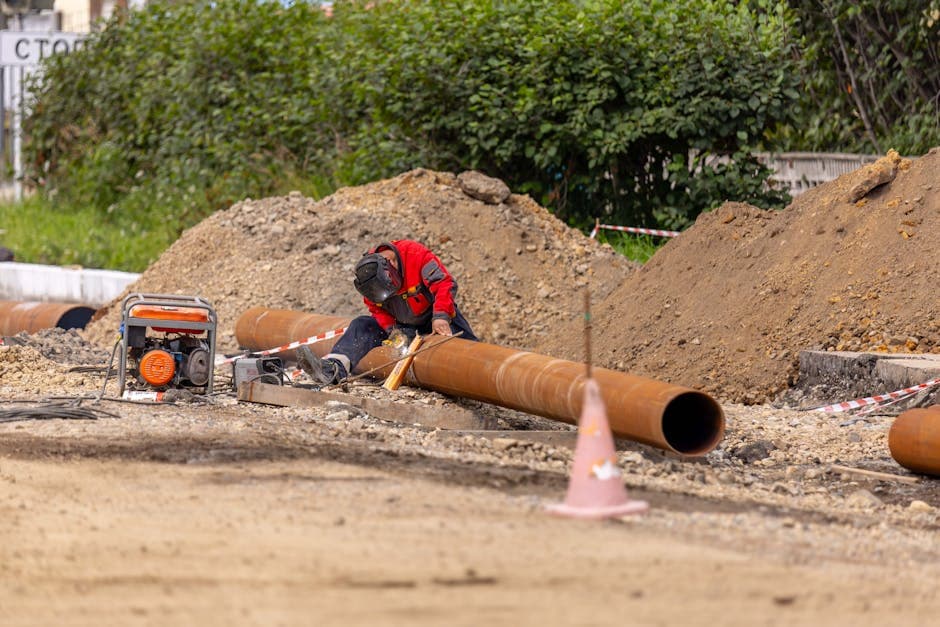
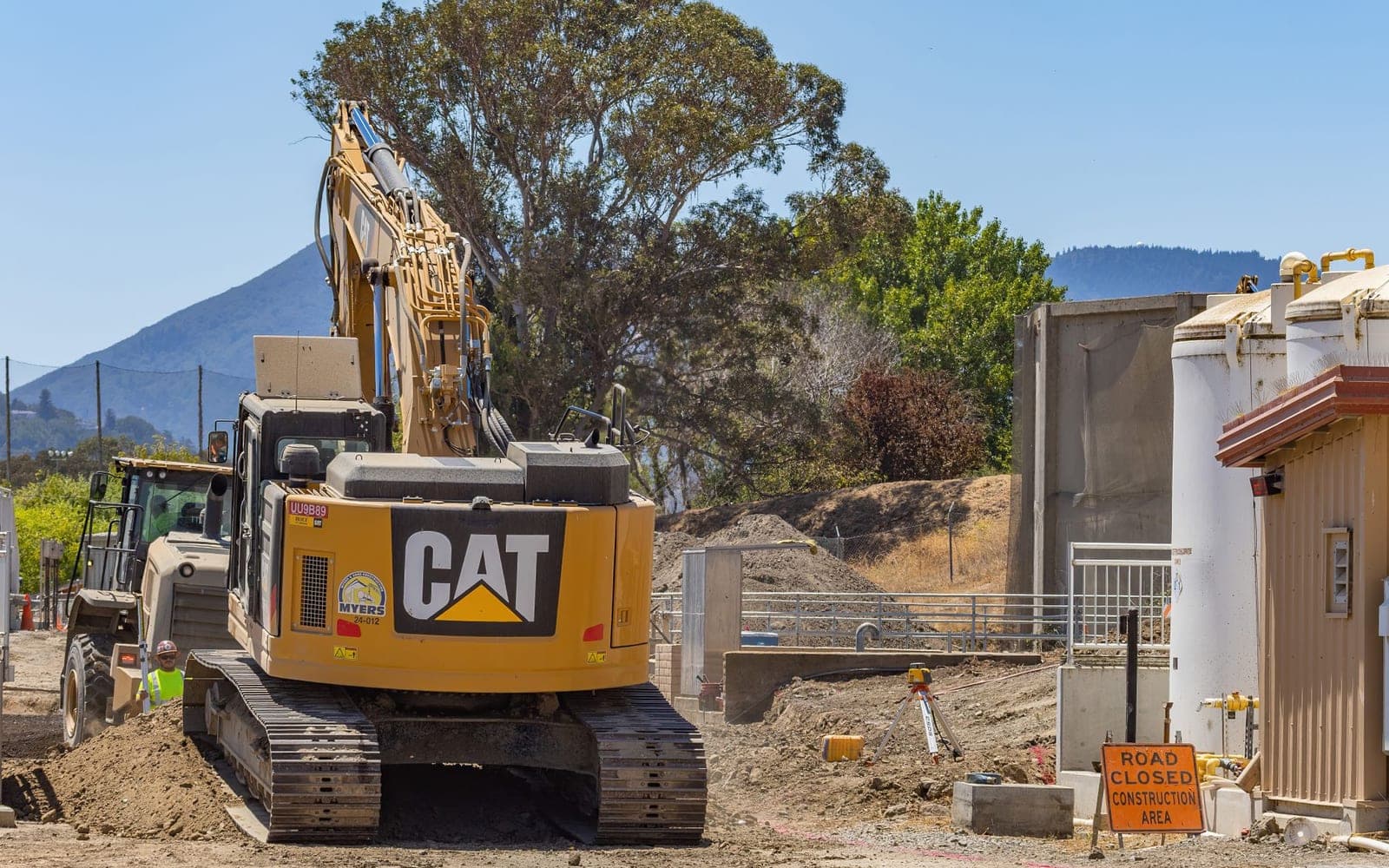
Emergency Service Gallery

Warning
Signs
Sewage backing up into the house
This is the most urgent emergency. Every additional minute of water use pushes more sewage into your home. Stop all water use — no flushing, no showers, no dishwasher — and call immediately.
Toilet water rising after flushing
The main line is blocked downstream. One more flush may overflow. Turn off the water supply to the toilet (shutoff valve at the wall) and don't use any other fixtures until we arrive.
Standing sewage in the yard
Effluent surfacing is a biological hazard — contains pathogens that can contaminate soil and groundwater. Keep pets and children away, and stay out of standing water yourself.
Flooded drain field
After heavy rains, saturated drain fields can't accept tank effluent. Symptoms are soggy ground over the field and slow drains indoors. Emergency pumping buys time until the ground dries enough to accept normal flow again.
Septic alarm (for pump-fed systems)
If you have an engineered system with a pump, an alarm means the tank is filling faster than it's pumping out. Could be a failed pump or a drain field unable to accept. Either way, it's urgent.
Strong sewage odor throughout the house
Gases should vent through the roof — if they're inside, venting is failing because water isn't moving. Often precedes a full backup by hours. Don't wait for the backup.
Maintenance
Tips
Our
Process
Emergency Call Intake
When you call, we ask focused questions: what's happening, how long, is water actively flowing. We dispatch immediately — usually on site within 2–4 hours during business hours, within 4 hours for after-hours calls.
Arrival & Assessment
First priority: stop additional damage. If sewage is flowing into the house, we stop the source (usually pumping the tank to relieve pressure). Then we assess: is the tank full, the line blocked, the field failed, or multiple issues?
Stabilization
Most emergencies stabilize with emergency pumping and line clearing. If the problem is deeper — collapsed drain field, tank failure — we install temporary measures to keep the household functional while we plan permanent repair.
Diagnosis of Root Cause
Once stabilized, we diagnose what actually caused the emergency. Was it a long-overdue pumping? Failed component? Saturated field after rain? Knowing the cause is essential for preventing the next emergency.
Permanent Repair Plan
You get a written scope and estimate for the permanent fix, usually scheduled within days. We don't pressure you to decide mid-crisis — once the emergency is handled, we can have the real conversation with clear heads.
What Drives the Number
Prices are estimates for Upstate SC — get a real quote for your project.
FAQ
Explore More
Get Your
Quote
Call us directly or request a quote online. No pressure, no upselling — just honest answers about your emergency service needs.
(864) 304-0139