
Catch It, Carry It, Slow It
Down — and Pass Inspection
Storm drainage collects rain off your roofs and pavement and moves it somewhere controlled before it can pond, undermine your asphalt, or run onto a neighbor. Catch basins and curb inlets swallow it, buried pipe carries it, and a detention pond holds the surge and releases it slowly so the creek downstream sees no more flow after your project than before it. RO Unlimited installs the whole package — structures, pipe, ponds, outfalls, and the erosion control that keeps you compliant while it is being built.
Storm Drainage Systems
Guide
What It Is
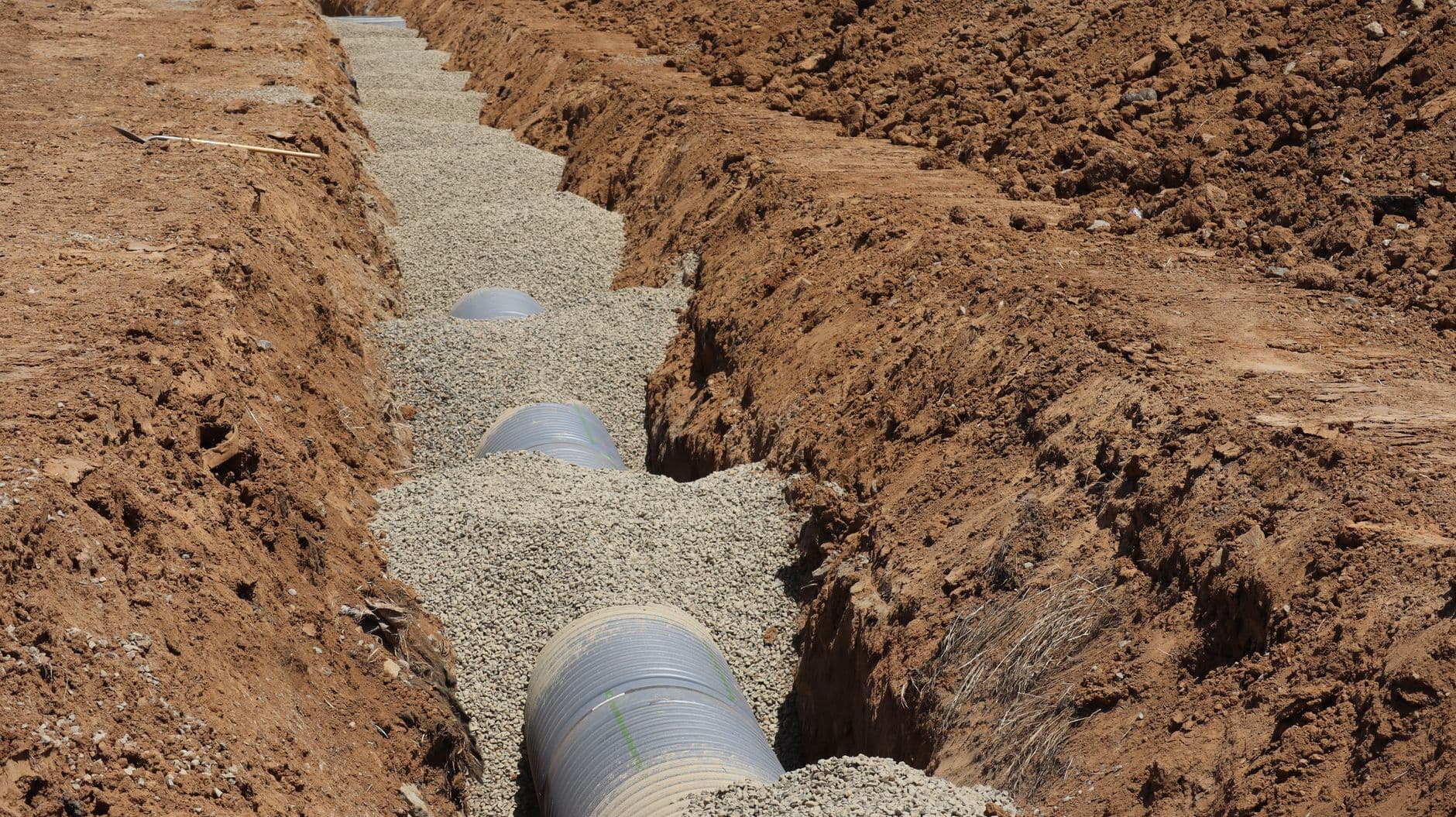
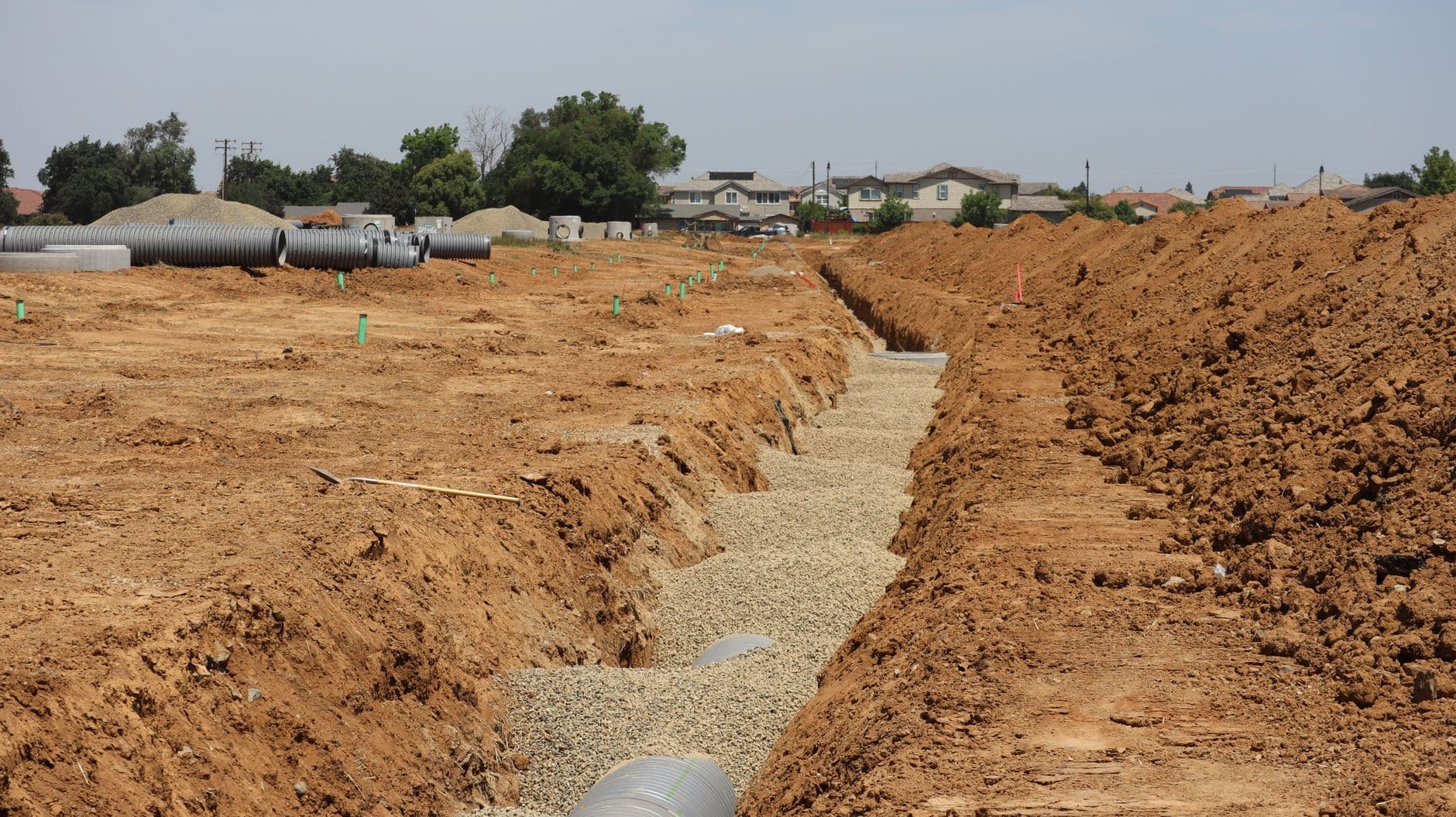
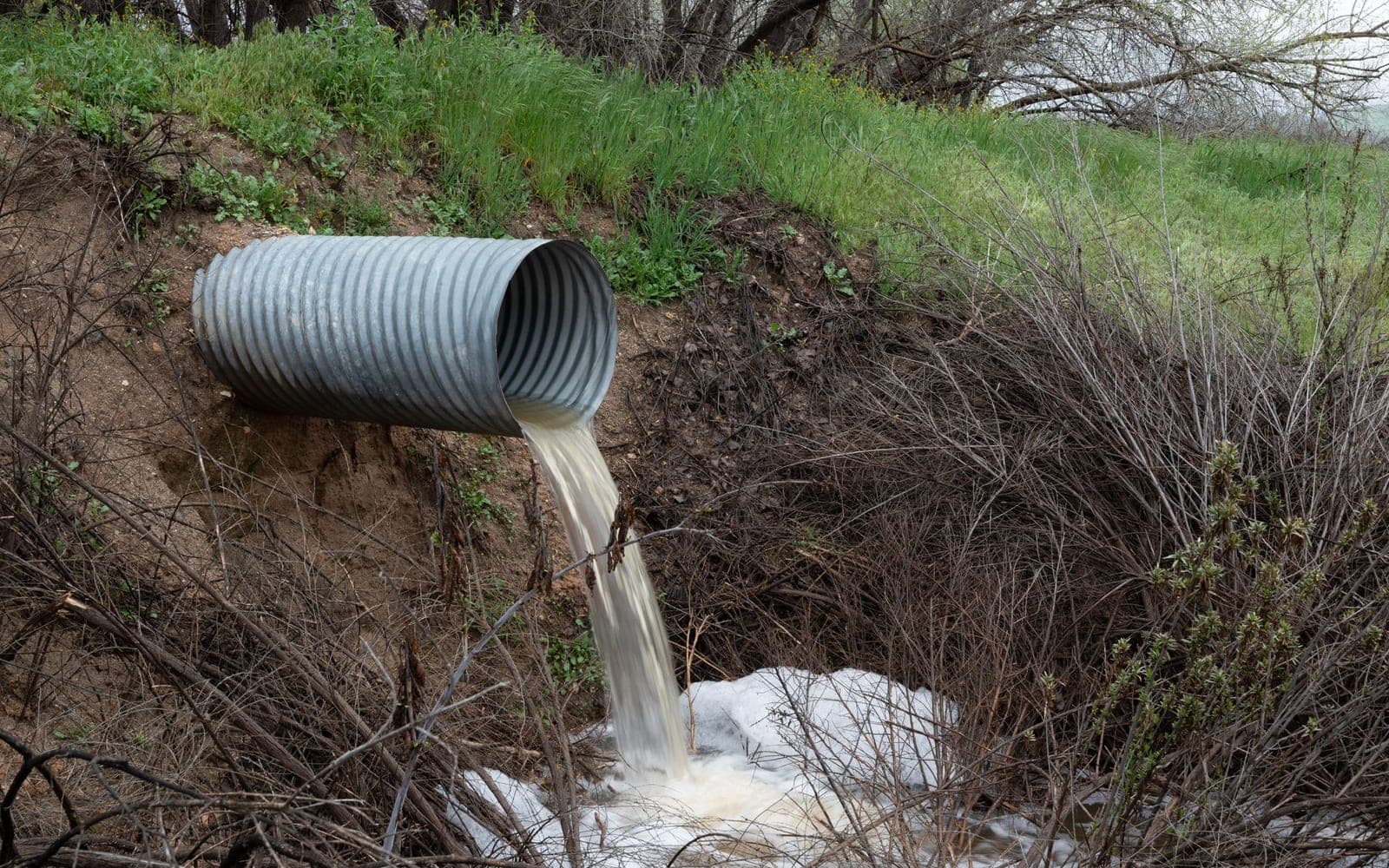
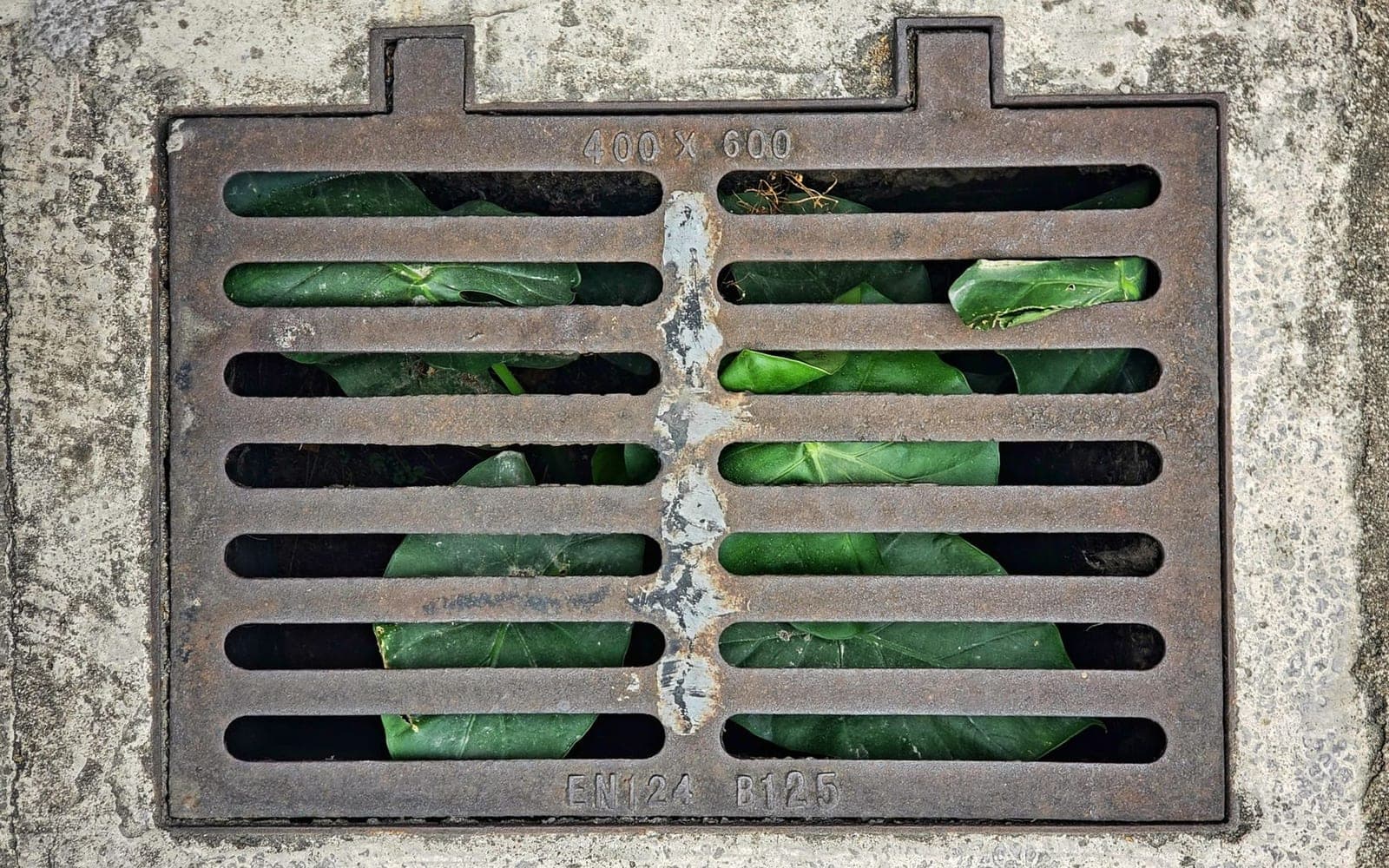
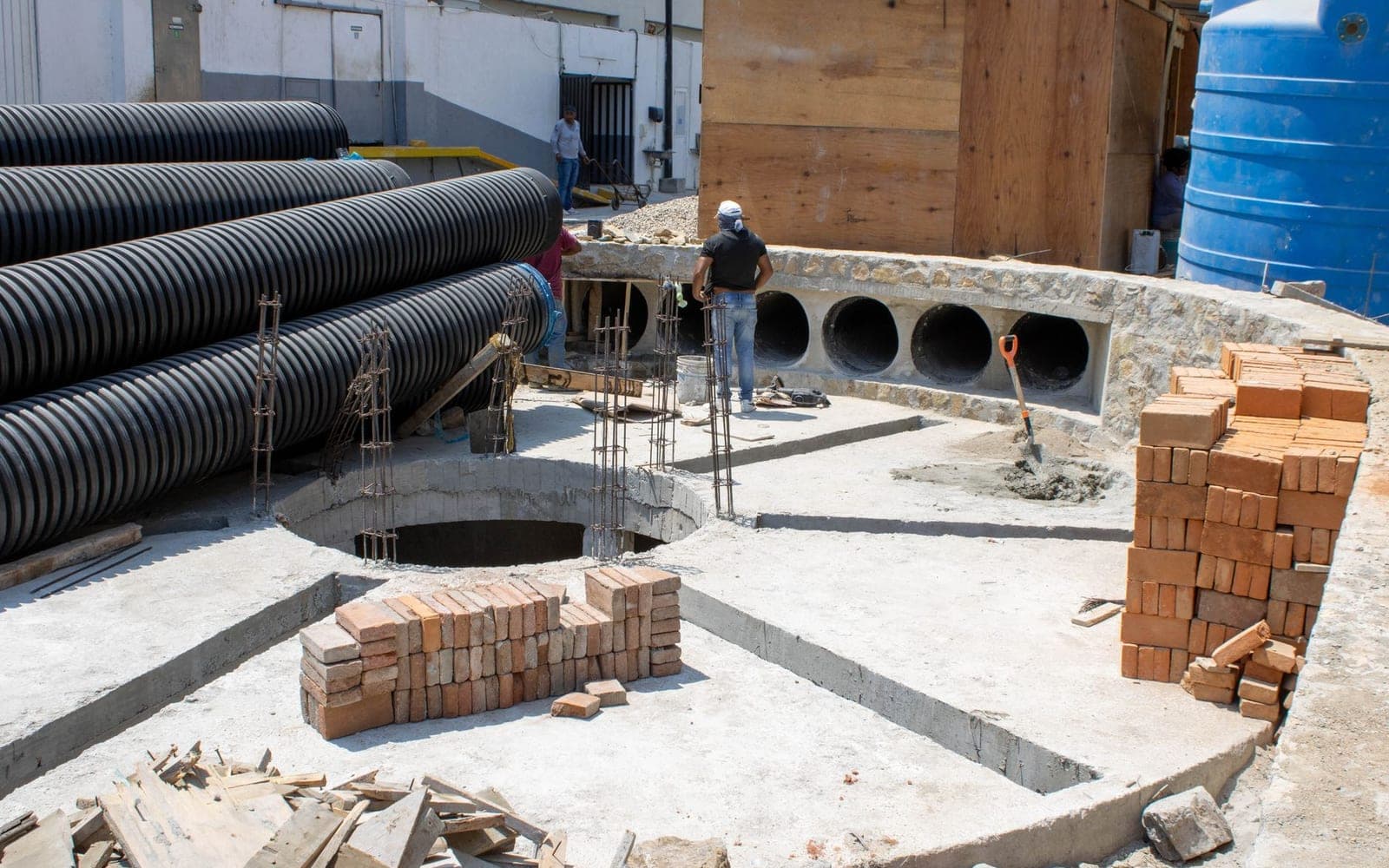
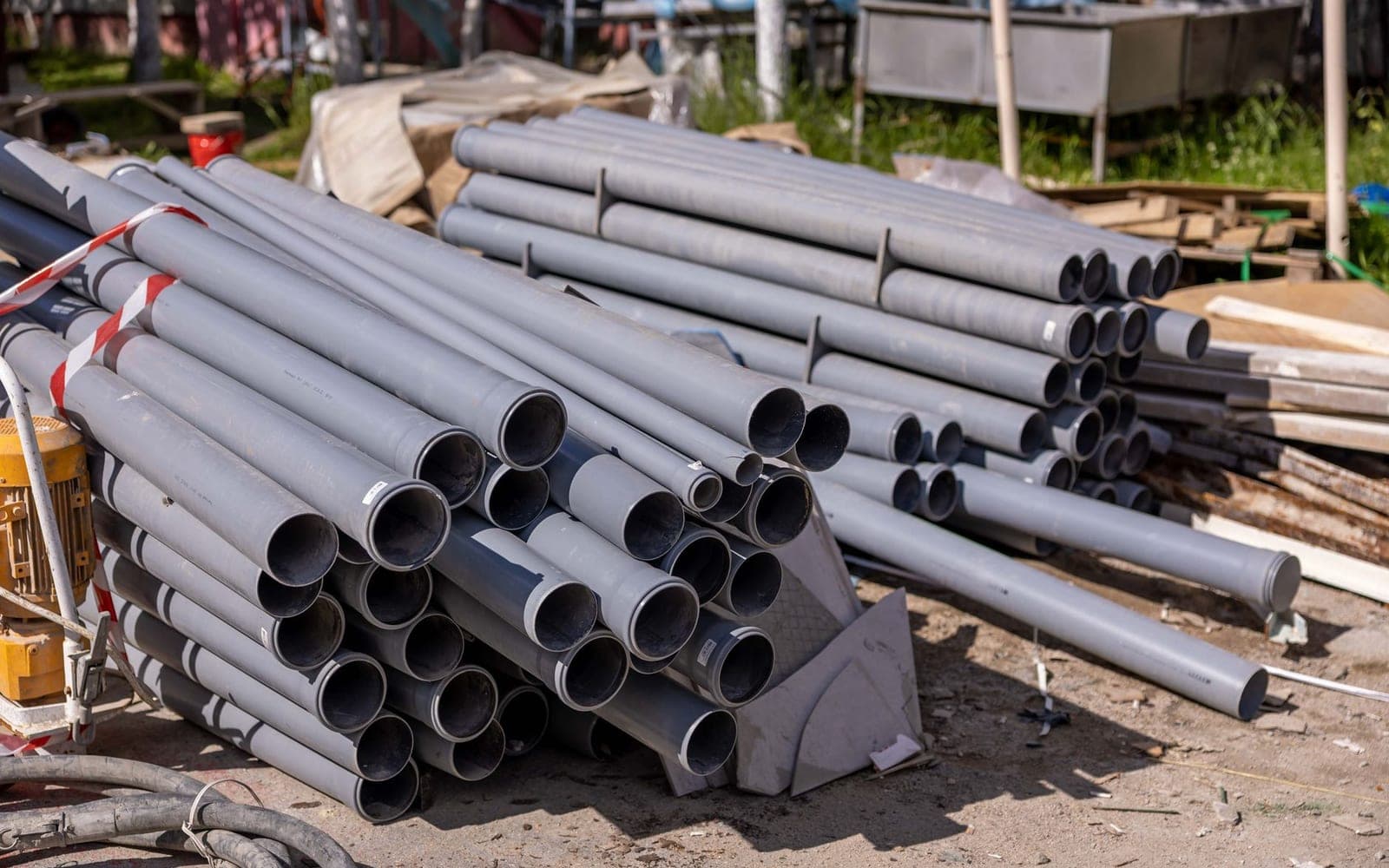
The system starts at the surface with catch basins, curb inlets, and yard drains, runs through buried pipe, passes through junction boxes where lines meet, and discharges through a headwall or flared end section — a concrete collar that stops the pipe end eroding out — into a ditch, a stream, or a pond. The pond is the part most owners misunderstand. A detention pond is not there to hold water permanently; it is normally dry, fills during a storm, and bleeds down through a restricted outlet over hours so your peak discharge never exceeds what the site produced before you built on it. A retention pond keeps a permanent pool and treats water quality as well. Storm is entirely separate from sanitary, always.
When You Need It
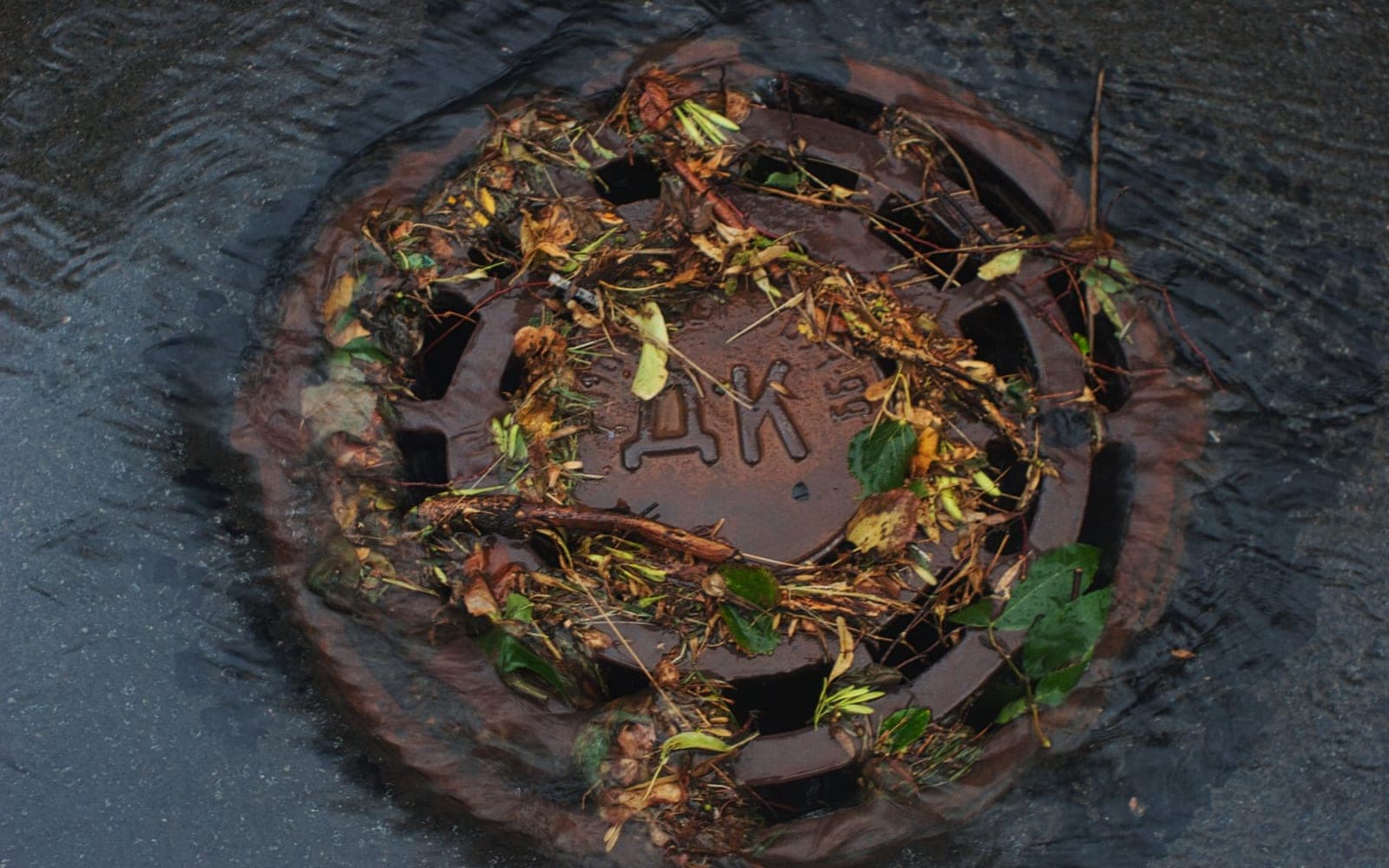
Any new impervious area — building footprint, parking, drive aisles, loading. More pavement means more runoff arriving faster, so the site needs both conveyance and peak-flow control. In South Carolina, disturb an acre or more and you are into the construction general permit and a SWPPP; disturb more than two acres and your plan needs agency approval and certification by a registered engineer, landscape architect, or Tier B surveyor; disturb ten acres or more draining to one outlet and a sediment basin is required during construction. North Carolina and Georgia have their own erosion and sedimentation programs with their own thresholds and their own certifications — the one-acre federal trigger is the only part that travels unchanged, so we settle which program applies before design starts. Beyond new work: redevelopment that adds pavement, and existing failures — chronic ponding, undermined curb, or a detention pond that no longer draws down.
Budget & Timeline
Pipe is the smallest surprise here. Twelve to twenty-four inch HDPE dual-wall at normal depth is the workhorse; reinforced concrete pipe runs materially more per foot and gets specified where loads, burial depth, or an agency spec demand it. Structures are the line that grows on you — every catch basin and curb inlet is a precast box, a frame, and a traffic-rated top, and the count comes off the inlet capacity math, not off the pipe layout. Headwalls and flared end sections are the small line that keeps an outfall from eroding out from under itself. What actually decides the budget is where you put the storage: surface detention is by a wide margin the least costly storage per cubic foot you can build, while underground chamber systems run multiples of it, which is why they only pencil when the land they free up is worth more than the difference. On schedule: permitting is three to eight weeks, storm pipe and structures three to eight weeks overlapping with mass grading, and pond work another two to five. One seasonal warning — you cannot terminate permit coverage until vegetation is established, so you do not want to be seeding in late July.
Why It Matters Here
Rainfall along the Blue Ridge escarpment is genuinely severe and it arrives fast. At Seneca the 25-year, 24-hour storm is 6.74 inches and the 100-year is 8.81, with a 10-year one-hour burst of 2.31 inches — and the numbers run in that neighborhood the whole way along the foothills, from northeast Georgia through the Greenville area and up into western North Carolina. A single summer cell will exceed the capture rate of an undersized inlet immediately, which is why grate count and grate type matter as much as pipe diameter. Red clay does not infiltrate — these are hydrologic group C and D soils, so runoff coefficients are high before you pave anything, and infiltration-based practices frequently do not work here without engineered media. Then there is the rulebook, which is where plans actually get rejected. South Carolina requires controlling the 2- and 10-year events, but Greenville County — right in our back yard — makes the 25-year the critical storm across most of the county, with the 50-year in the Gilder Creek watershed and the 100-year inside Mauldin. North Carolina and Georgia run their own stormwater programs with their own design storms, and their counties layer local overlays on top the same way. Designing to a state floor and assuming it clears local review is a rejected plan waiting to happen in any of the three.
Storm Drainage Systems Gallery
Warning
Signs
A depression or soft spot in pavement near an inlet or over a pipe run
This is the classic pre-collapse signature. Water escaping a separated joint pulls soil into the pipe and forms a void that grows quietly for months. By the time the surface dips, the void underneath is already large.
Water still standing 24 to 48 hours after a storm
A working detention pond draws down. Standing water means a clogged outlet orifice, a silted-in low flow channel, or a failed underdrain — and a pond that has not drained has no storage left for the next storm.
Cracked or tilting structure tops, a grate that rocks, or a curb inlet pulling away
The structure is settling, which means the pipe connections into it are being pulled apart. You are watching joint separation happen from the surface.
Erosion at the outfall — a scour hole or undercut rip rap
Discharge velocity is exceeding what the receiving channel can take. South Carolina rule requires velocities be reduced to nonerosive or to the pre-disturbance condition, and the neighboring states write the same idea their own way — so this is a compliance problem as well as a maintenance one.
Sediment leaving the site or mud tracked onto the road
This is the violation an inspector writes first. South Carolina allows a stop work order posted on site, and civil penalties are assessed with each day counted as a separate violation.
A detention pond that has been landscaped, filled at the edges, or used for overflow parking
Post-construction ponds are permanent permitted features with maintenance obligations attached to the property. Losing volume without approval puts the parcel out of compliance and puts a downstream flooding claim on your insurance.
Maintenance
Tips
Our
Process
Establish the Outfall & Existing Condition
Determine where water can legally leave the site and what it did before you touched it — that is the number every downstream calculation gets compared against.
Model & Size the System
Hydrology by a volume-based hydrograph method on a 24-hour storm distribution; the simpler rational method is only allowed for individual culverts on small drainage areas, not for a network.
Permit It
SWPPP, notice of intent for construction general permit coverage, and local land-disturbance approval — with engineer certification on anything over two acres in South Carolina, and whatever the corresponding state program requires when the site is in North Carolina or Georgia.
Install Erosion Control First
Silt fence, construction entrance, diversions, and sediment basin go in and get inspected before the first blade of dirt moves.
Rough Grade to Positive Drainage
Every square foot has to fall somewhere on purpose. Flat is not neutral — flat is a puddle and eventually a pothole.
Set Structures & Lay Pipe
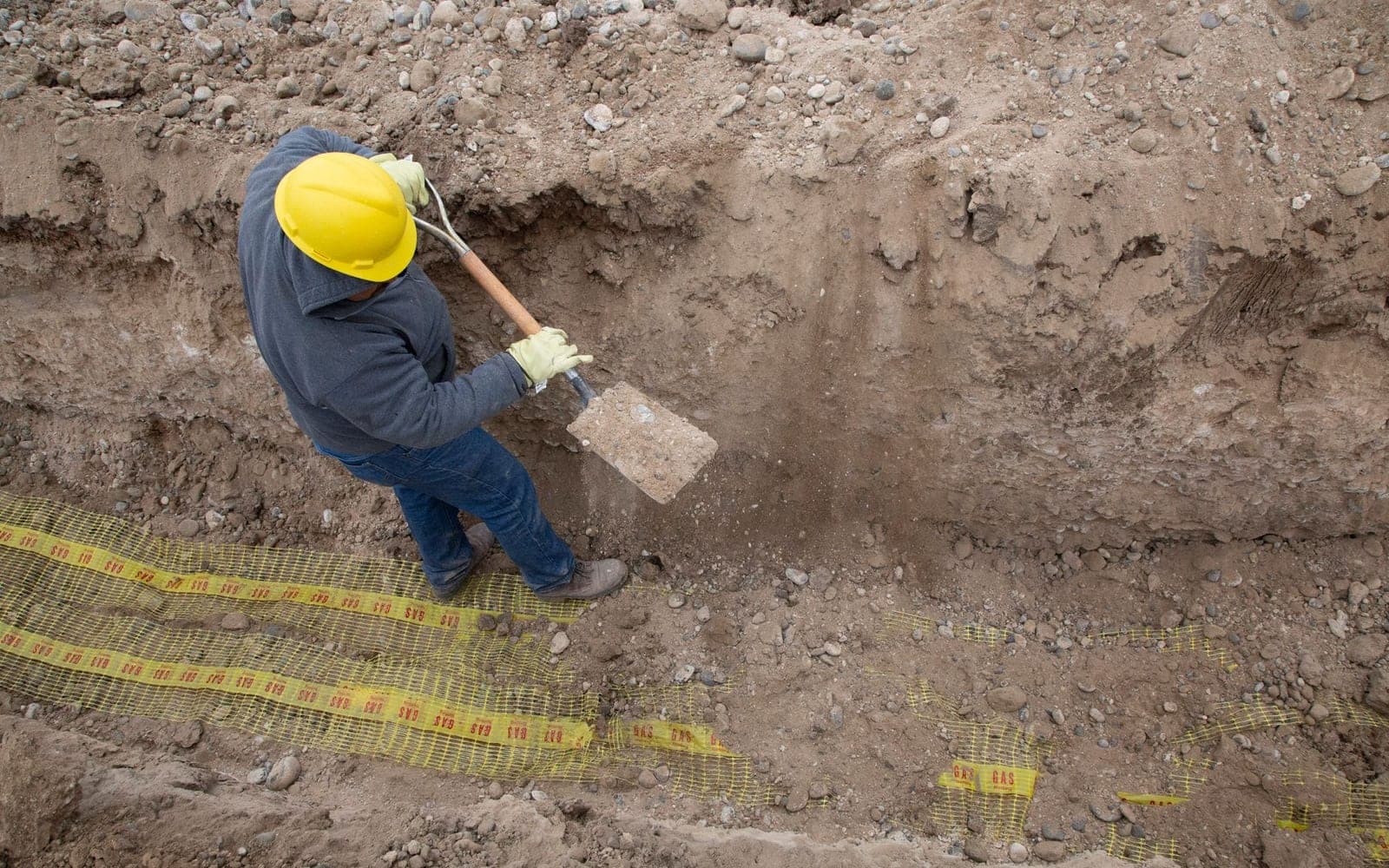
Structures to design rim and invert, pipe laid upgrade between them on bedding struck to grade, joints gasketed, haunching compacted, and inlet protection on every structure the moment its top is set.
Build the Pond & Outlet Control
Detention or retention facility with its multi-stage riser, anti-seep collars, forebay, and an emergency spillway sized to pass the 100-year event with a foot of freeboard below the top of dam.
Stabilize, Verify & Hand Over
Permanent seeding, rip rap at outfalls, camera the pipe, as-built the structures and pond volumes, and deliver the maintenance plan the owner is held to for the life of the site.
What Drives the Number
Prices are estimates for Upstate SC — get a real quote for your project.
FAQ
Explore More
Get Your
Quote
Call us directly or request a quote online. No pressure, no upselling — just honest answers about your storm drainage systems needs.
(864) 304-0139